
Most people think of sea salt as just a kitchen staple, but I’ve found it’s actually pretty handy to keep around the whole house. It’s not just for seasoning your fries or finishing off a steak. Sea salt is used in all sorts of clever, unexpected ways that go well beyond the stove. Here, I’m going to share some standout uses for sea salt in daily life, from around the house to bathroom routines, and even some quick fixes that come in handy. You might want to keep a bag of this natural mineral on hand even if you’re not planning to cook.
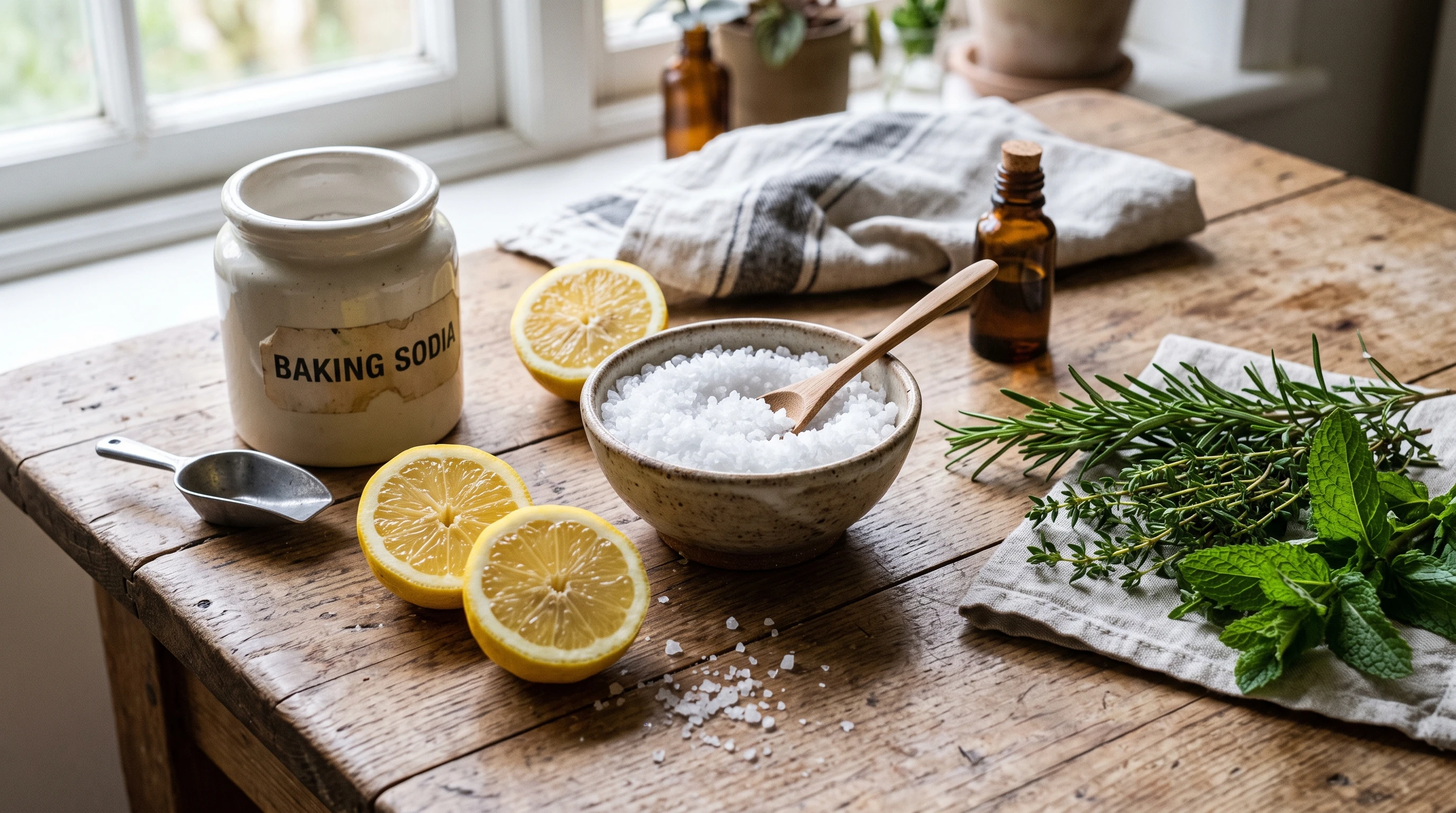
Why Sea Salt Has Become a Household Favorite
Sea salt isn’t new. In fact, it’s been used for centuries for more than just cooking. The difference these days is, more and more people are tracking down how useful it is to have on hand for cleaning, self-care, and even quick home fixes. It’s natural (no chemical additives), easy to buy, and pretty affordable. Plus, sea salt comes in different textures and grains, which means it works in a bunch of different situations. If you’re building up your home toolkit or looking to cut back on harsh chemicals, sea salt can make a real difference.
Most commercial salts have been stripped of minerals except sodium chloride, but sea salt sticks a little closer to its natural form. That’s why it’s still mildly abrasive and can be really useful for scrubbing things, soaking, or even freshening up various parts of the house. I like that I’m not just cleaning or fixing with something natural, but I’m also usually saving money compared to buying specialty cleaners and beauty products. Having something so simple and versatile really gives my home routine a boost.
Common Cleaning Hacks with Sea Salt
One of my favorite things about sea salt is how handy it is for cleaning. When I run out of a store-bought cleaner, I can usually whip up something good enough with sea salt from my pantry. Here are a few of the ways I use sea salt for cleaning around the house:
- Scrubbing Pots and Pans: Sea salt’s natural texture is awesome for scrubbing burnt or stuck-on food out of cast iron, stainless steel, and bakeware. Just sprinkle some salt onto a damp sponge or directly onto the cookware, give it a good rub, and the grime usually lifts right off.
- Deodorizing Cutting Boards: Wood and plastic boards can pick up strong smells over time. I sprinkle sea salt, add a bit of lemon juice, and scrub. The combination cleans, removes odors, and even helps sanitize.
- Drain Freshener: If my sink starts to smell funky, I’ll dump a handful of salt down the drain, then rinse with hot water. It helps dislodge minor clogs and freshens the drain naturally.
- Removing Wine Stains from Fabric: If red wine gets on a tablecloth or shirt, I immediately cover the stain with sea salt. The salt draws out the wine, making it easier to wash out later. It’s saved me a few times at dinner parties.
Since sea salt is mildly abrasive, it’s really helpful for those tasks where you want to scrub but not scratch surfaces. Just remember, it’s not great for delicate glass or polished stone since it can leave small marks, so use it with care.
Home and Laundry Uses You Might Not Expect
Sea salt isn’t just for spills in the kitchen. There are a bunch of household and laundry tricks that involve this pantry basic:
- Brightening Colors: Tossing a small handful of sea salt into your laundry can help keep colors vibrant. The salt helps lock in dye and reduces color bleeding, which is especially handy for new clothes or bold prints.
- Rust Prevention: Salt and lemon make a simple way to scrub rust off tools or kitchen utensils. I rub the rusty parts with a lemon slice dipped in sea salt, then rinse and dry thoroughly.
- Natural Humidity Control: Placing an open bowl of sea salt in damp spaces like closets or basements can help absorb excess moisture, reducing musty smells and mildew risk.
- Freshening Up Shoes: Sprinkle sea salt inside smelly sneakers or boots overnight. The salt soaks up moisture and neutralizes odor, so you can just dump it out in the morning.
These household tricks aren’t just simple and affordable. Most of them work with leftovers from the kitchen, so there’s less waste. I’ve used the color-saving salt hack on bright towels and sports jerseys and have seen a real improvement. The rust removal trick came in handy last spring when I was cleaning out the shed, and it even gave a boost to some old garden tools I thought were done for.
Self-Care and Wellness with Sea Salt
If you enjoy self-care rituals, sea salt is useful beyond the bath. It’s relaxing, soothing, and sometimes just what I need to recover after a long day. Here are a few ways I use sea salt for wellness:
- Soothing Bath Soak: A handful of sea salt in the tub helps relax sore muscles and softens skin. I like adding a few drops of essential oils (like lavender or eucalyptus) for a spa vibe.
- Foot Scrub: Mix sea salt with oil (like coconut or olive) to create a gentle exfoliant. I rub it on rough heels and soles, then rinse for smoother feet.
- Sinus Relief: For stuffy noses, I dissolve a little sea salt in warm water and use it as a nasal rinse with a neti pot or squeeze bottle. This helps clear out congestion and works especially well during allergy season. It’s a simple method that feels instantly refreshing.
- Mouth Rinse: I sometimes use a saltwater rinse to freshen breath and soothe mouth sores. Just dissolve some salt in warm water and swish for about 30 seconds.
Sea salt soaks and rinses shouldn’t be swallowed, and it’s smart to use the right amount; usually a teaspoon dissolved in a cup of warm water is enough for most self-care uses. Always check if you have sensitive skin or any concerns before trying new routines with salt, since everyone reacts differently. It’s amazing how this one ingredient really steps up common wellness practices, making things feel more natural and refreshing.
Repair and Quick Fixes Around the House
Sea salt can even help with minor repairs or day-to-day annoyances. These are a few of the ways I’ve put it to work when I’m in a pinch:
- Stopping Ant Trails: When ants march inside, I sprinkle a thick line of sea salt near entry points or windowsills. It creates a barrier most ants won’t cross, and it gets rid of them without harsh sprays. This method gives a boost to a chemical-free home.
- Extending Candle Burn Time: Sprinkling salt into melted wax after you blow out a candle helps it last longer, and can also help prevent excess dripping the next time you light it up.
- Cleaning Flower Vases: When vases get cloudy or stained, I add sea salt, a bit of dish soap, and some warm water. A good swirl loosens grime, especially in hard to reach spots.
- DIY Ice Pack: Mix sea salt with water in a zip bag, and freeze it. This makes a flexible homemade ice pack that stays cold for a while and is nice for sore spots or quick first aid.
Many of these tips came from trial and error when I didn’t have the usual cleaning stuff around. If you like easy, budget-friendly solutions, you’ll probably find these pretty useful too. For busy households, these quick fixes using sea salt add up to real time and money savers.
What to Consider When Using Sea Salt for Non-Cooking Purposes
Even though sea salt is pretty safe and simple to use, there are a few things to watch out for. The grain size matters; coarse salt works for scrubbing, while fine salt dissolves better for soaking or rinsing. Also, salt can damage some surfaces (like untreated wood, marble, or certain metals if left on too long). A little spot test is always smart before going all in on a new cleaning idea.
For self-care, sea salt can be drying for some skin types, so it’s good to follow up with a moisturizer. People with certain health conditions should double-check before using salt soaks or rinses. If you’re switching to natural cleaners, keep in mind that sea salt won’t replace heavy-duty disinfectants everywhere; it’s perfect for maintenance but maybe not for deep-cleaning big messes. Using sea salt is all about being practical and getting creative, but it pays to stay aware of its limits and potential sensitivities.
Advanced Sea Salt DIYs and Upgrades
After getting comfortable with the basics, there are plenty of ways to go a little further. Some of my favorite “upgrades” include:
Homemade Cleaning Paste: Blend equal parts sea salt and baking soda, add enough water to make a thick paste, and use this to tackle coffee stains, gunk, and grimy tiles. This thick mixture is great for tile grout or kitchen stains that regular cleaning sometimes just doesn’t handle as well.
Custom Bath Soaks: Mix sea salt with dried lavender or rose petals and a few drops of essential oil for a personalized, natural bath treat. These also make thoughtful DIY gifts, and people are often surprised how easy and affordable these homemade soaks are. Add a scoop of oats for soothing skin if you want to mix in some variety.
Salt Dough for Crafts: Combine sea salt, flour, and water to make a basic playdough that’s handy for crafting with kids or making ornaments for holidays. Kids love shaping and baking their creations, which can then be painted and kept as keepsakes or holiday decorations.
Preserving Flowers: Bury delicate blooms in a container filled with sea salt and let them sit for a week or more. The salt draws out moisture and preserves the flower’s shape; this works really well for sentimental bouquets or pressed flowers and keeps memories bright for a lot longer than air-drying.
These projects use the same pantry staple in fun, different ways, and make it easy to avoid extra purchases. Sea salt’s versatility is hard to beat. It’s impressive how one humble ingredient can be part of crafting, self-care, and tough cleaning jobs all at once.
Frequently Asked Questions
If you’re curious about using sea salt around your home, here are a few questions people ask me all the time:
Question: Can I use regular table salt for these tips instead of sea salt?
Answer: Table salt works for some cleaning or de-icing uses, but because it’s finer and often has additives, it’s not as effective for scrubbing or natural beauty routines. Sea salt, with its varied grain sizes, is better for most of the ideas here.
Question: Is sea salt safe for all fabrics and surfaces?
Answer: Sea salt is usually safe for sturdy surfaces and washable fabrics, but always do a small test spot first. Avoid using it on delicate natural stone, antique wood, or anything that may scratch easily.
Question: Can I use sea salt every day for self-care problems like sinus rinses or mouth rinses?
Answer: Most people can use saltwater rinses a few times per week with no trouble, but if you have sensitive skin, dental problems, or special health needs, talk to a healthcare provider first.
Wrapping Up
Having a bag of sea salt around is way more useful than most folks expect. Its cleaning, self-care, and repair powers make it a top pick for anyone who likes simple, natural, and practical home solutions. I’ve found new uses for it every year, and I always keep a stash on hand for those everyday surprises.
If you haven’t stocked up on sea salt lately, it’s worth checking out a bag the next time you’re at the store. Just remember to leave a little for your cooking too!