Kettlebell weight training is one of those workouts that packs a punch when it comes to burning calories and building functional strength. If you’re like me and looking for a fun, efficient way to drop a few pounds, kettlebell routines might be just what you need. They mix strength training and cardio, so you not only get stronger, but you torch fat at the same time. Here’s what you should know before swinging into your first workout.
Kettlebells and Weight Loss: What Makes Them Effective?
Kettlebell training has shot up in popularity in recent years, especially for folks looking to lose weight while getting strong. The big draw is how kettlebells force your body to use multiple muscle groups at once. Movements are usually dynamic, with the kettlebell being swung, pressed, or pulled in ways that make your heart rate shoot up fast. Turns out, combining resistance with fast-paced movement is super effective for weight loss.
Unlike traditional gym machines or even dumbbells, kettlebell moves often involve your whole body, especially your core and stabilizer muscles. This means you burn more calories per minute, and you keep burning calories for hours after your workout wraps up. Recent research even suggests that an average person can burn up to 20 calories per minute doing vigorous kettlebell routines. That’s about the same as running at a fast pace, but with the added bonus of gaining muscle.
Kettlebells have a long history, originating in Russia as far back as the 18th century. Farmers used them for weighing crops, and eventually for sports and training soldiers. Now, gyms around the world have racks of these cannonball-shaped weights because they work for strength, cardio, and burning fat quickly.
Tips for Getting Started with Kettlebell Weight Training
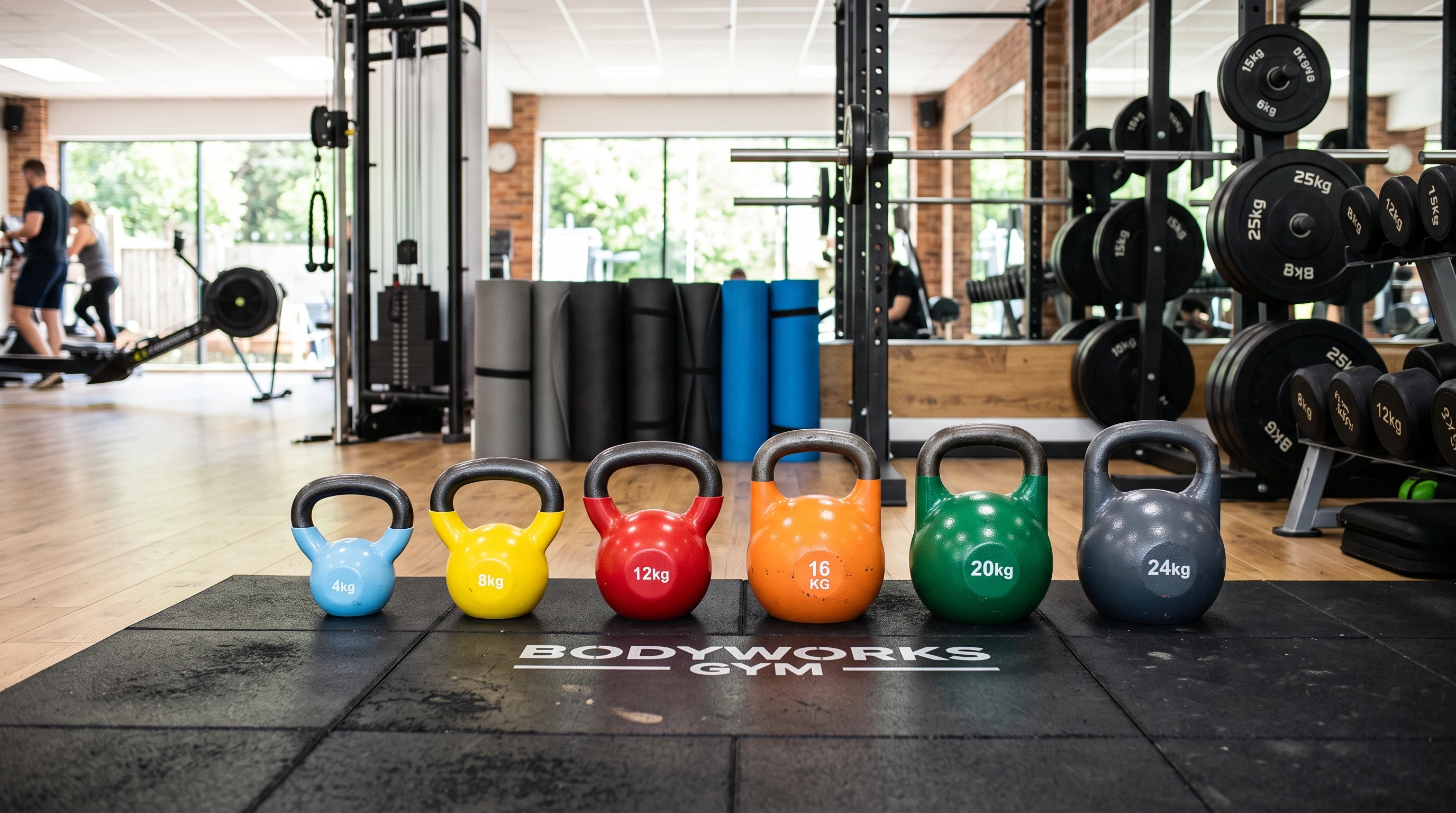
Jumping into kettlebell training is a lot easier when you start with the basics. Picking a weight that feels a little challenging but lets you keep good form is a smart move. Most beginners start with an 8-12 kg (18-26 lbs) kettlebell, depending on strength and experience, but you can always size up or down as needed.
It’s also super important to learn and practice the right technique, so you stay injury-free. When I started, I spent several workouts focusing only on basic moves like the kettlebell swing, goblet squat, and Turkish getup. Here’s a quick look at a few key terms you’ll run into:
- Kettlebell Swing: A hip-hinge move where you explosively swing the kettlebell forward. It fires up your glutes, hamstrings, and shoulders.
- Goblet Squat: Holding the kettlebell close to your chest while squatting. This really works your quads, glutes, and core.
- Turkish Getup: A full-body movement where you move from lying down to standing, holding the kettlebell overhead. Not easy, but worth learning because it builds coordination and stability.
Don’t forget to warm up first. A light jog or some jump rope with some dynamic stretches helps your muscles get ready for explosive moves. Even after you get the basics down, working with a certified trainer or watching high-quality instructional videos can keep you on track for steady progress.
How to Structure Kettlebell Workouts for Weight Loss
To really use kettlebells for dropping weight, it helps to keep your workouts intense and a bit unpredictable. That keeps your metabolism guessing and your motivation up. Here’s a simple guide on how to structure a fat-burning kettlebell routine:
- Choose 4-6 Basic Moves: Swings, goblet squats, clean and press, lunges, snatches, and rows are all solid picks for a full-body routine.
- Use Circuit Training: Rotate between exercises with little or no rest between each one. Complete all movements for a set number of reps (usually 10-20), then rest for 1-2 minutes before starting again. Aim for 3-4 circuits.
- Keep It Short and Intense: Most kettlebell routines last 20-30 minutes. The high intensity keeps your heart rate up and maximizes calorie burn.
- Mix in Cardio: Toss in some jump rope or bodyweight moves for an extra fat-burning push between kettlebell exercises.
- Finish with a Cool-Down: Static stretches and deep breathing help you recover faster and prevent soreness.
Doing this kind of training three to five times a week can make a noticeable difference in weight loss and overall fitness.
Another way to keep progressing is by varying the workouts, swapping new kettlebell moves or increasing the weight as you gain strength. Don’t be afraid to mix it up since that keeps both your mind and muscles challenged.
Common Obstacles and How to Handle Them
Just like any new workout program, kettlebell training has a few curveballs. Knowing how to get around these challenges is pretty handy for building the habit and avoiding frustration.
- Choosing the Right Weight: Too heavy and your form will suffer. Too light and you won’t see the results you want. Try a few different weights before buying one, if possible.
- Mastering Form: Poor technique usually leads to injuries. Use a mirror, film yourself, or ask for feedback from trainers or experienced kettlebell users.
- Equipment Access: Not everyone has a home or gym loaded with options. Start with one kettlebell; you can get a lot done even with just a single weight, making this tool very accessible.
- Maintaining Consistency: Sticking with any routine can get tough once the novelty wears off. Set small, specific goals you can tick off each week, and reward yourself for progress.
Choosing the Right Weight
If you’re not sure where to start, visit a local sports store to test out different kettlebell weights. For dynamic swings, most folks can manage more weight than they think. For overhead presses or Turkish getups, it’s wise to use something lighter until your technique feels solid.
Mastering Form
All those swinging movements mean there’s some risk if you get sloppy. I always suggest watching a pro either in person or via good-quality videos. Kettlebell workouts should feel controlled and strong, not wobbly or jerky. If you feel your lower back, stop and reset your form right away rather than pushing through the discomfort.
Equipment Access
You honestly don’t need a room full of equipment. Even one medium weight kettlebell is enough to run an effective, challenging workout and see results quickly. Once you’re hooked and want to mix in some variety, you might decide to pick up more weights or styles.
Consistency and Progression
Weight loss always requires sticking with it. Tracking your progress by writing down weights, reps, and frequency can help you see real change and keep you motivated on days when your energy dips. Celebrate the small wins along the way.
None of these problems are dealbreakers if you go in prepared. With patience, kettlebell weight training can quickly become your favorite part of the week and bring steady results even with a busy schedule.
Level Up: Techniques to Make Your Kettlebell Workouts Even More Effective
After you’ve nailed the basics, you might be looking to challenge yourself or speed up your fat loss. Here are some techniques I like to use to raise the intensity:
Try Interval Training: Mix periods of high effort with short rest. For example, do 30 seconds of kettlebell swings followed by 15 seconds of rest; repeat that sequence for 5-10 rounds. That spike in heart rate really powers up calorie burn and takes your conditioning to the next level.
Use Complexes: Link several moves together without putting the weight down. For example, go from a swing to a squat to a press, one right after the other. This move saves time and really keeps your muscles and lungs working hard.
Focus on Technique Progression: Start with two hand swings, move to one hand swings, then try snatches or cleans as you feel ready. Each move adds a layer of challenge and helps you avoid plateaus.
Add Tempo Variations: Slow down the negative (lowering) part of the move. For example, lower slowly in a goblet squat. That creates more muscle tension and pushes your body to adapt faster for fresh results.
You can also mix in other bodyweight moves or play with different intervals. These tweaks aren’t about getting fancy, but about keeping things interesting and keeping your body guessing. That’s the secret sauce for sustainable weight loss with kettlebells.
Top Kettlebell Exercises for Burning Fat
You don’t need a huge exercise list to make kettlebell training effective. Here are a few I always recommend for serious fat burning:
- Kettlebell Swings: Drives your heart rate up, challenges your whole body, and helps with explosive power. Swings are the foundation of almost any kettlebell fat loss routine.
- Clean and Press: A compound move that lights up your shoulders, back, and arms. Pressing overhead also gets your core working overtime, dialing up your intensity.
- Snatches: Powerful full-body movement that burns loads of calories in a short time. They’re a bit advanced but super effective.
- Lunges and Squats (Goblet or Overhead): These get your glutes, quads, and core fired up. Changing up the position keeps your muscles guessing so you avoid stagnation.
- Rows: Bent-over rows with a kettlebell strengthen your back and boost grip strength, which helps on many other exercises.
These moves are easy to string together into a circuit. Try doing each one for 30-45 seconds, rest for a minute, and repeat the circuit three times. Feel free to add or swap movements to find what keeps you excited to work out.
Frequently Asked Questions
These are a few questions I get all the time from people trying kettlebells for weight loss:
Question: What weight kettlebell is best for beginners?
Answer: Men often start with a 12 kg (26 lb) kettlebell, and women usually go for 8 kg (18 lb). It depends on your fitness level and the exercises you plan to do, so experiment to find your own comfort zone.
Question: How many times per week should I train with kettlebells for weight loss?
Answer: I suggest three to five sessions per week. Consistency helps, and even shorter routines give solid results if you keep the intensity high.
Question: Can I lose weight just with kettlebell training, or do I need to change my diet?
Answer: You can burn a ton of calories with kettlebells, but cleaning up your diet always helps results come quicker. Think of training and good nutrition as a team for the best outcome.
Final Thoughts
Kettlebell weight training offers a straightforward but challenging way to lose weight, get strong, and have fun doing it. The combination of dynamic movements, resistance training, and cardio keeps your workouts interesting and your results steady. As you build technique and confidence, you’ll probably find yourself reaching for those kettlebells more and more, turning weight loss from a chore into something you actually look forward to. Remember, every swing counts and progress adds up over time, so keep swinging and enjoy the ride!