
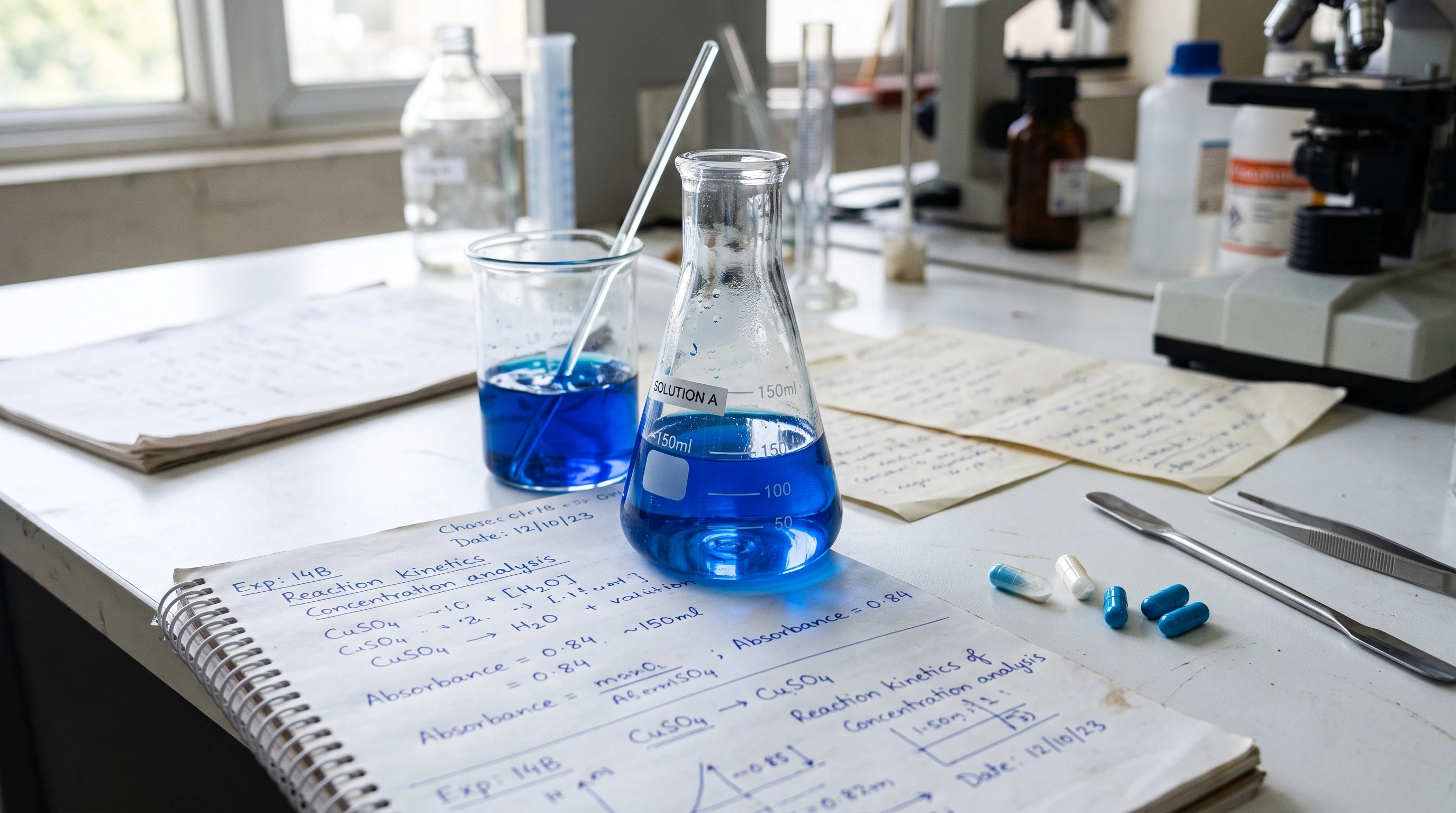
Methylene blue used to be that dye you read about in biology class, mostly used to stain slides or treat fish tanks. As it turns out, this little blue molecule has a growing reputation for some pretty interesting benefits in the world of cognitive improvement. If you’re curious about brain performance, memory, or just trying to stay sharp, methylene blue has some cool things worth considering. I’m going to walk you through some surprising ways it may support your brain, and clear up what’s hype versus what’s grounded in real science.
Understanding Methylene Blue’s Origins and Its Role in Brain Health
Methylene blue has actually been around since the 1800s, first used as a textile dye and, not long after, finding its way into medicine. You’ll find it on the World Health Organization’s list of essential medicines mainly as a treatment for methemoglobinemia, a blood disorder. More recently, researchers have started to explore its effects far beyond just its history as a dye or antidote.
Studies are now focusing on how it impacts mitochondria, inflammation, and neuroprotection. These are all topics popping up a lot in the biohacking and nootropics crowd, so methylene blue is gaining attention as a possible brain-boosting supplement. It’s still an area where new data is coming in, but the science is spreading fast enough that people are talking about it more often.
How Methylene Blue Impacts Brain Energy
The brain uses a hefty amount of energy relative to its size, eating up nearly 20% of your daily energy just to keep you thinking clearly. Methylene blue seems to have a special knack for helping your brain’s energy factories, called mitochondria, work a bit more efficiently.
- Improved Mitochondrial Function: Methylene blue helps mitochondria shuttle electrons through the electron transport chain. Simply put, this process leads to more ATP (the molecule your cells use for energy). That can give you more mental stamina and focus.
- Study Example: Research (Link) shows that low, controlled doses can improve memory tasks and increase brain activity in regions tied to focus and recall.
I’ve seen plenty of feedback from people experimenting with microdoses (well below the medical “dye” dose) to support long study sessions. While it’s not a magic trick, there’s enough early clinical support that it’s being taken seriously. Staying at lower doses is really important, since high amounts can be risky.
Cognitive Protection You Might Not Expect
Methylene blue’s protective properties are a big part of what makes it pretty interesting. Most of this work comes from studies looking at Alzheimer’s, Parkinson’s, or brain injuries. Some promising things I’ve seen in the research include:
- Reduces Oxidative Stress: The brain is sensitive to oxidative stress (fancy term for damage from things like free radicals). Methylene blue works as an antioxidant, mopping up these damaging molecules, potentially helping to keep neurons healthier for longer.
- Counters Amyloid and Tau Build Up: Early studies show methylene blue might help block or break down the proteins (amyloid and tau) that tangle up in Alzheimer’s brains.
- Protects After Injury: In several animal models, methylene blue helped lower the severity of brain injury and speed up recovery.
Of course, this doesn’t mean it’s a cure for degenerative brain conditions. Still, the way it supports neurons makes it a candidate for keeping your brain resilient under stress or as you age. Ongoing research could uncover even more about its role in long-term brain wellness.
Unique Cognitive Benefits You Didn’t Know About
There are benefits you’ll hear less about, but that might be just as helpful for regular folks as for people in clinical studies. Here’s a list of some lesser-known perks:
- Boosts Working Memory: Working memory is that part of your brain that juggles short-term tasks (like remembering a phone number for a minute). A small human study showed a single dose of methylene blue improved performance on challenging memory tests.
- Improves Cerebral Blood Flow: The right dose helps your brain’s small blood vessels expand, which can mean better delivery of oxygen and nutrients where you need them most.
- Uplifts Mood and Reduces Anxiety: Some research explores potential mood benefits, possibly because of its mild MAO-inhibiting action. People report lighter moods and steadier emotions, though the science here still needs more data.
Not every benefit is massively dramatic, but the combination of small advantages in memory, attention, and mental stamina adds up, especially if you deal with mental fatigue or a loaded daily schedule. Plus, users find that it usually works best alongside other healthy habits for your brain.
What to Watch Out For: Risks and Things to Consider
Nobody likes talking about downsides, but it matters a lot here. Methylene blue is powerful, so you really want to be smart about using it.
- Dosage Counts: The dose found in clinical studies (often less than 2mg per kilogram of body weight) is much less than what’s used for medical emergencies. More isn’t better. Taking too much can cause headaches, confusion, or even turn your urine or skin blue.
- Interactions: Since it mildly blocks monoamine oxidase (MAO), it can interact dangerously with SSRIs and other antidepressants. There are also interactions with medications like serotonergic drugs.
- Purity and Source Matter: Industrial or aquarium grades aren’t comparable to pharmacy grade. Always get pharmaceutical grade if you’re considering trying it.
A good practice is talking to a healthcare professional who understands cognitive enhancers before you even consider trying methylene blue, especially if you’re taking medications. Staying aware of both benefits and possible hazards is key to getting the most from it safely.
Getting Started and Smart Ways to Explore Methylene Blue
Thinking about giving methylene blue a shot for brain support? Here are a few simple tips that I’ve found especially helpful:
- Start Super Low: The effects are noticeable at microdoses. I’ve seen people use as little as 0.5 to 2mg per day and feel a difference in focus or memory. Going above that quickly hikes up the risk of side effects.
- Track Effects: Whether it’s a memory game, journaling, or a focus timer, check your baseline and see if things change. The effect is usually pretty subtle—maybe some more mental clarity or quicker recall of names or facts.
- Pair with Healthy Habits: Methylene blue can be part of a toolkit that includes regular movement, sleep, and nutrition. These have a stronger, proven impact on long-term brain health, with methylene blue as a supportive option.
You might also want to research specific protocols or dosing strategies, especially if you plan to make it a recurring part of your routine. Personal sensitivity can vary, so listening to your body is super important.
Practical Applications for Students, Professionals, and Biohackers
I’ve noticed methylene blue cropping up in the routines of people with different backgrounds — from students cramming for finals to older adults working to keep brain fog at bay. Here’s how it fits into some daily routines:
- Students: For improving recall during lectures or exam prep, especially when combined with techniques like spaced repetition or active learning.
- Remote Workers: To tackle the mid-afternoon energy slump or maintain focus during long virtual meetings.
- Biohackers: As part of supplement stacks with things like acetyl L carnitine, B vitamins, or creatine, all intended to give a little extra edge in focus or mood.
Everyone’s experience can vary, and personalizing your timing and dose matters. Some days, you might feel more verbal fluency or creative problem solving; other days, maybe nothing noticeable. That’s totally normal for performance boosters like this — it’s about finding your own sweet spot.
Frequently Asked Questions About Methylene Blue and Cognitive Improvement
Question: Is methylene blue safe to take every day?
Answer: Most studies that check out cognitive benefits use single doses or short-term courses. There isn’t enough data on whether it’s safe for daily, long-term use. Taking breaks and sticking to low, guided doses is how most people like to handle it.
Question: Can I stack methylene blue with other nootropics?
Answer: Many people try it as part of a stack, but be careful about mixing it with anything that affects serotonin or MAO enzymes. Do your homework and watch for any odd symptoms.
Question: Does it actually make you smarter?
Answer: Most people report better memory consistency, faster recall, and clearer focus. It’s not going to raise your IQ, but it might help you work with the brainpower you’ve already got, especially on days when you feel foggy or off.
Why Methylene Blue Is Gaining Fame as a Nootropic
I think methylene blue is spreading as a nootropic because it checks several boxes for what people want: it’s well-studied, has a good medical track record, and works in some unique ways that most natural supplements don’t come close to. When used carefully — at the right doses and with respect for possible interactions — it’s a smart brain support tool that goes beyond most off-the-shelf options. If you’re looking to check out new ways to support your cognition, it’s definitely worth keeping on your radar, but always with a little informed caution. The field of brain science is always jumping ahead, and methylene blue is one of those compounds leading the way for folks who want to keep thinking sharp as they move through life.