Methylene blue isn’t exactly new; it’s been around in science labs for over a century. What’s catching eyes lately, though, is how it’s popping up in health and wellness routines. People from both medical and fitness backgrounds are giving it a second look, not just for its oldschool lab uses but also for some exciting possibilities in cognitive support, energy, and even skincare. I’m going to walk you through what methylene blue is, how it works, where you’ll see it most, and why it’s become such a hot topic outside the chemistry classroom.
What Is Methylene Blue? The Basics
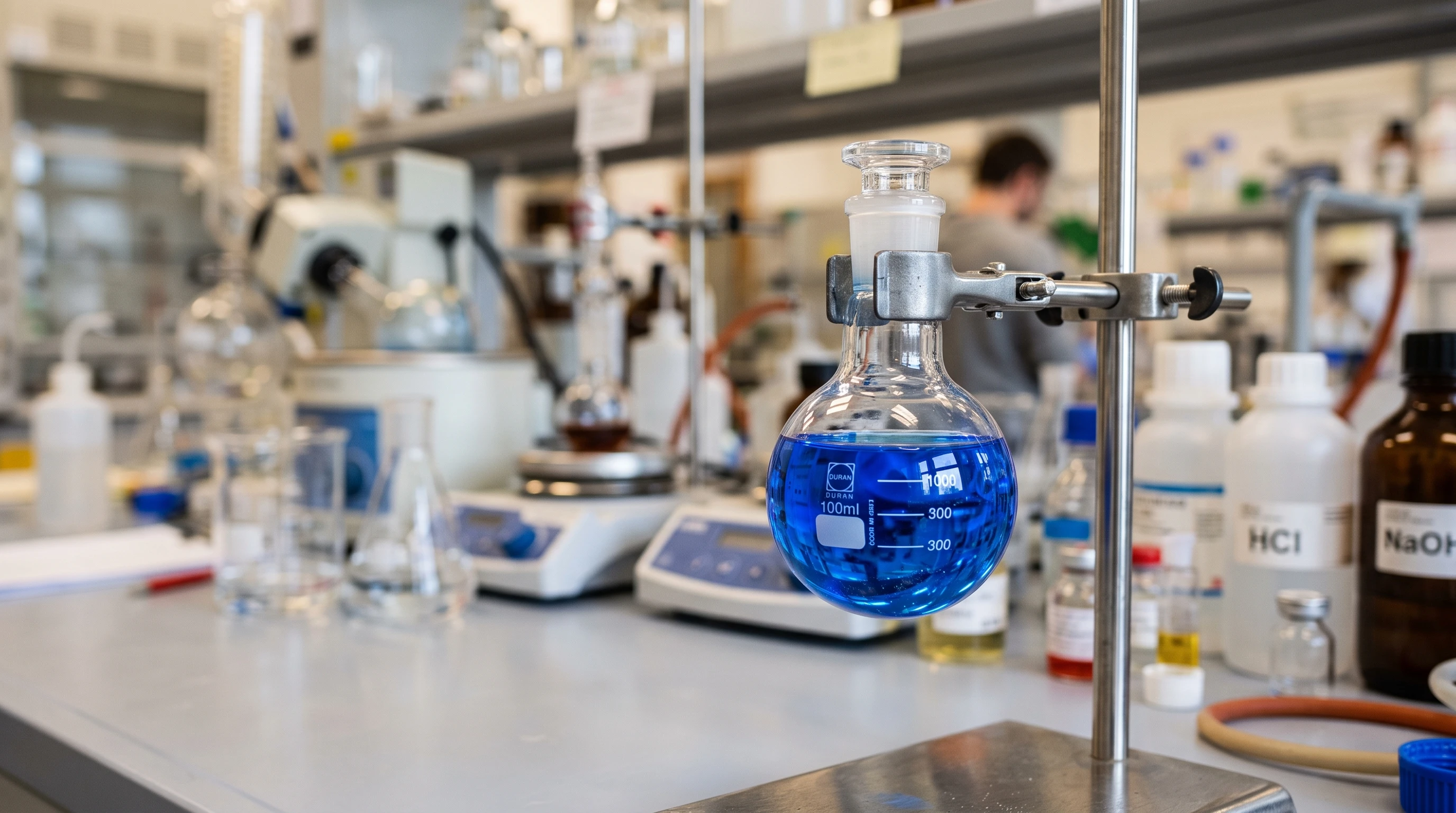
Methylene blue is a synthetic compound first created in the late 1800s. It looks like a deep blue powder that dissolves easily in water. In the science world, it started out as a dye for staining cells in microscopy. Hospital laboratories have relied on it for years to make invisible cell parts stand out under the microscope. But it didn’t stay just a tool for scientists; doctors started using it as a medicine early on, especially for certain blood disorders and as an antidote for specific types of poisoning.
One big thing that sets methylene blue apart is how it interacts at the cellular level. Simply put, it can help out your cells’ energy production, which plays a big role in why it’s being studied for so many wellness uses. Beyond just its bright color, methylene blue’s chemical structure means it can interact with molecules inside the body, sometimes acting as a catalyst in cellular reactions.
How Does Methylene Blue Work in the Body?
Inside your cells, there are tiny structures called mitochondria. These are like energy factories for your body. Methylene blue can step in and help these factories work more efficiently, especially when your cells aren’t performing their best. By helping to shuttle electrons during the production of energy, methylene blue might support your body’s ability to bounce back from stress and fatigue.
Researchers are interested in how methylene blue works as an antioxidant too. Antioxidants help protect your cells from damage caused by free radicals, which are essentially stressors at the chemical level. This is why you’ll hear about methylene blue in talks about boosting mental clarity and stamina. Some laboratory studies even suggest that methylene blue can help cells recover after being exposed to oxidative stress, which is the kind of damage linked with aging and certain chronic conditions.
Science Lab Star: Classic Medical Uses
Even before it hit wellness headlines, methylene blue earned its stripes in medicine:
- Malaria Treatment: Early on, methylene blue was used to treat malaria. While it’s been replaced by newer drugs, it was actually one of the first antimalarials.
- Methemoglobinemia: This is a rare condition where blood can’t carry enough oxygen, and methylene blue is a go-to treatment because it helps restore normal oxygen delivery.
- Surgical Dye: Surgeons use methylene blue to highlight tissue and help guide procedures. It’s common in procedures involving the bladder, kidneys, and lymph nodes.
Its track record in these areas is well documented, and you’ll still see methylene blue in hospitals and emergency care settings around the globe. Its use is considered essential in some procedures where tissue boundaries need to be spotted clearly.
Boosting Brains and Bodies: Wellness Uses Today
Lately, methylene blue has crossed from the lab into everyday wellness routines. People are most interested in its potential for:
- Cognitive Support: Low doses of methylene blue are being studied for possible memory and focus support. Some early research hints at possible benefits for people facing cognitive decline.
- Mood and Energy: A few small studies suggest methylene blue could support mood and energy levels, likely because of its role in cellular energy production. There are even anecdotal reports from people who say they feel more alert when using it in microdoses.
- Antiaging and Skincare: Topical products with methylene blue are marketed to help with visible signs of aging, largely based on its antioxidant properties. Some early research boosts from animal and cell studies, but human data is still developing. There are lotions and serums now that list methylene blue as a key active ingredient, claiming that it makes skin look more youthful and shields it from everyday environmental stress.
This doesn’t mean methylene blue is a magic pill. Most health experts agree that while early findings are interesting, much more research is needed, especially around safety and longterm effects. No supplement or cream can promise all the potential benefits seen in early laboratory studies.
What to Know Before Trying Methylene Blue
Thinking of adding methylene blue to your wellness routine? Here are some super important things to consider:
- Dosage Matters: In medicine, doses are carefully controlled. The doses used in wellness products are much lower, but there’s still a lot we don’t know about what counts as “safe” for regular use. People who experiment with doityourself dosing can put themselves at risk without realizing.
- Quality and Purity: Not all products on the market meet pharmaceutical standards. Contamination is a real risk if you pick up methylene blue from unregulated or questionable sources.
- Potential Side Effects: Even at low doses, methylene blue can cause side effects like headache, confusion, or changes in urine color (it might turn your pee blue!). High doses can be dangerous and interact with certain medications, including antidepressants.
- Medical Supervision: Always worth checking in with a healthcare provider before starting methylene blue, especially if you’re managing a health condition or taking prescriptions. For example, mixing methylene blue with SSRIs or other medications that affect serotonin can cause serious complications. Some people are more sensitive to its effects and can have allergic reactions or other unexpected outcomes, so caution is always the best policy.
My Take: It’s Always Smart to Stay Cautious
I’ve seen a lot of hype surrounding “biohacking” with methylene blue, especially on social media and wellness forums. While some stories about mental clarity or workout performance seem promising, these are mostly anecdotal. What works for one person may not for another, and the research just isn’t there yet to back day-to-day use outside of a medical setting. If you’re tempted to try it, remember that personal experimentation comes with risks; it’s always better to wait for more solid research before jumping in.
Challenges and What to Watch Out For
Like any supplement or new wellness trend, methylene blue comes with its hurdles:
- Inconsistent evidence: Clinical trials are limited, and most research so far has been done in animals or cell models. Human evidence is still pretty sparse.
- Dosing confusion: There’s no clear standard for how much is safe or effective in everyday use. Even small differences in the amount you take can change the outcome. People who want to try methylene blue can end up guessing at what’s safe, which isn’t ideal.
- Regulatory issues: Dietary supplement rules vary depending on where you live, so methylene blue’s legality and oversight can be fuzzy outside of its approved medical use. Regulations aren’t always updated quickly enough to catch up with new health trends, so what might seem legal in one place could be questioned in another.
Quality and Safety in Wellness Supplements
The supplement market is packed with different forms of methylene blue: liquids, capsules, powders, and more. Not all of these meet the same quality checks as medicalgrade methylene blue. Some are sold for aquarium use or industrial applications, and these definitely aren’t meant for people to ingest. It’s always worth doublechecking the source and looking for brands that do thirdparty testing before even thinking about trying it personally. Checking for certificates of analysis and searching for reviews from other users can add an extra layer of safety.
Cool Uses Beyond Health: Methylene Blue’s Many Lives
I always find it interesting that methylene blue isn’t just for health or science. Here are a few places you might not expect to find it:
- Aquariums: It’s used as a treatment to help prevent fungal infections in fish tanks. Fish hobbyists value it for keeping tanks healthy, especially during breeding seasons.
- Textile industry: Methylene blue has been put to work in dyeing fabrics because of its bright color. Some designers even use it for craft projects or special textile effects.
- Environmental monitoring: Scientists sometimes put it to work when checking water quality or tracing leaks in plumbing systems. Because it’s visible and relatively safe in small amounts, it’s handy for marking where water flows in complex pipes or natural environments.
Its versatility keeps it in demand, so even if you’re not into supplements or science, you’ve probably run into methylene blue without even realizing it. The next time you see an unusually bright blue liquid, it might just be methylene blue doing a job you never thought about.
Frequently Asked Questions
People curious about methylene blue often have a bunch of questions. Here’s what I hear most often:
Q: Can methylene blue actually boost brain power?
A: Some small studies in animals and humans have looked into memory and attention, but the evidence isn’t consistent yet. It’s not approved as a “nootropic” or brainboosting drug, and more research needs to be done.
Q: Are there any risks to taking methylene blue?
A: There are some risks, especially if you have certain medical conditions or take medications for mood, blood pressure, or infections. It’s really important to talk to a doctor before using methylene blue outside medical care.
Q: What’s the safest way to try methylene blue?
A: The only truly safe way is when it’s prescribed by a doctor for a specific medical need. For other uses, stick with products from reputable brands that do quality testing, and always use the lowest possible dose. If in doubt, it’s better to wait until more research is available than to take unnecessary risks with your health.
The Big Picture: Is Methylene Blue Worth the Hype?
Methylene blue is more than just a lab chemical. Its ride from microscopy slides to social media wellness routines shows how scientific discoveries can pick up new lives. Even with the growing buzz, it’s really important to remember that methylene blue isn’t riskfree and it’s not a miracle drug. Careful research and thoughtful decisions help people get a sense of what’s best for their own wellness adventure. The science is just catching up, so staying curious but cautious is a smart bet when checking out this interesting blue compound.
Curious about methylene blue or spotted it in your favorite supplement store? The best advice I can give is to check the research and talk to a healthcare professional before adding it to your routine. Your health is always worth a thoughtful approach and a bit of patience as the science unfolds.