
Getting more vitamin C in your diet isn’t just about chasing cold remedies; it’s a way to give your body’s immune defenses a boost every day. A strong immune system helps you fend off colds, flu, and other infections, and vitamin C is one of the easiest nutrients to include through regular food choices. Here, I’m breaking down the natural foods that are absolutely packed with vitamin C, why your body needs this vitamin, and realistic, tasty ways to fit these foods into your everyday meals.
Why Vitamin C Matters for Immunity
Vitamin C’s popularity isn’t just hype. It works as an antioxidant, so it helps protect your body’s cells from damage caused by things like pollution, stress, and other environmental factors. But vitamin C also plays a bigger role in keeping you healthy. It supports white blood cell function, gives a boost to the skin’s barrier against germs, and helps wounds heal faster. Since our bodies can’t make or store vitamin C, we need to eat foods full of this nutrient every day to keep up.
Getting enough vitamin C is linked to a lower risk of infections. According to research published in Nutrients, vitamin C keeps your immune system ready to respond, especially during times of stress or when you’re exposed to illness. Plus, it plays a crucial part in fighting off free radicals, which are unstable molecules that can make you feel run down or prone to sickness.
Top Natural Sources of Vitamin C
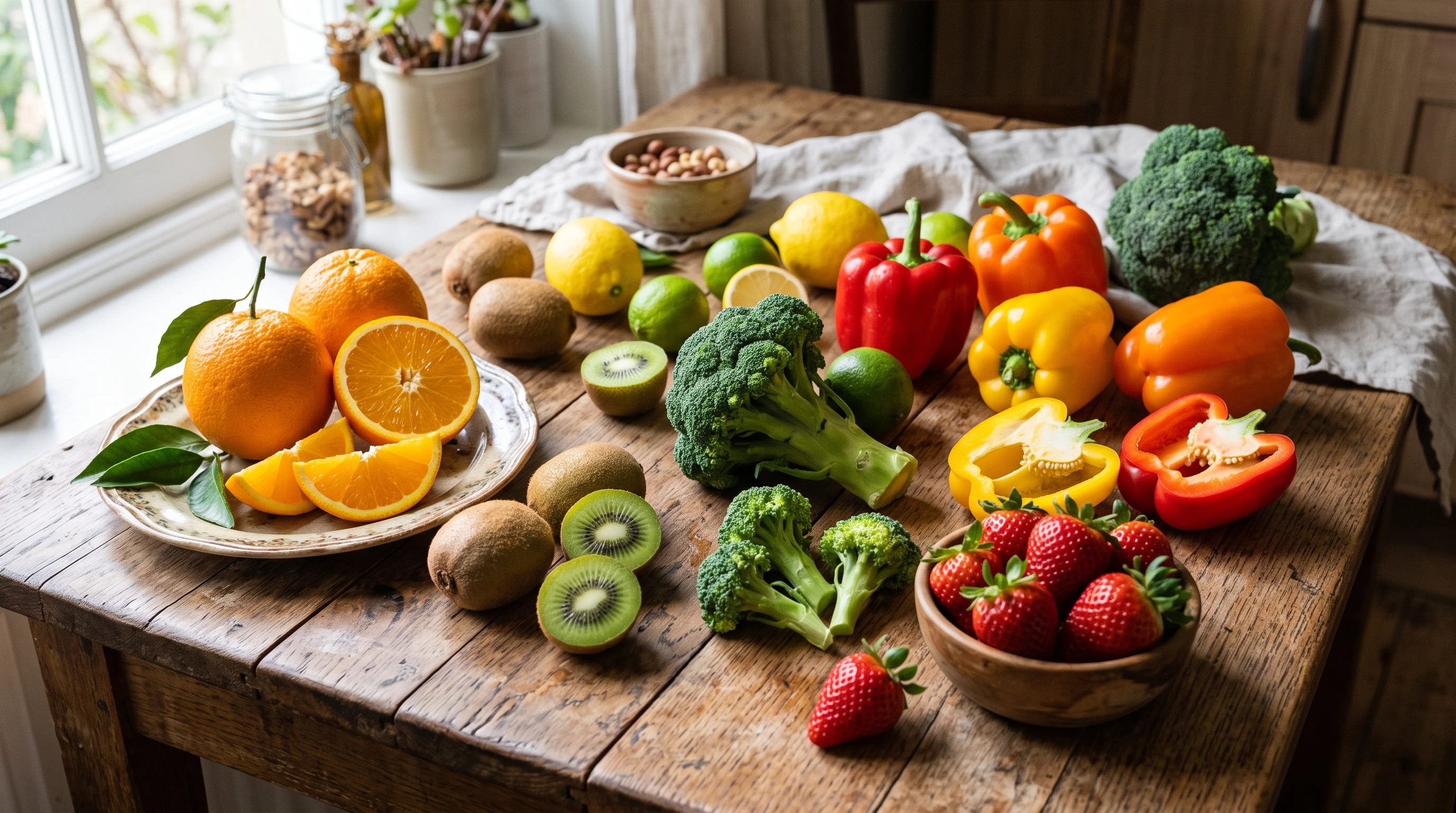
Eating a mix of fruits and vegetables is the easiest, tastiest way to reach your daily vitamin C goals. Some of these picks deliver a lot more vitamin C than just oranges, so it’s smart to mix things up for variety and flavor. Here’s a quick rundown of vitamin C-rich foods and some fun, creative ways I enjoy eating them:
- Bell Peppers: Red bell peppers are loaded with vitamin C, and even yellow and green peppers are great choices. I love chopping them into salads, throwing them on the grill, or just using them as crunchy snacks with a bit of hummus.
- Kiwifruit: One medium kiwi packs about as much vitamin C as an orange. It’s perfect in yogurt, blended into smoothies, or sliced up on morning oatmeal.
- Strawberries: Sweet and mouthwatering, a cup of halved strawberries gives you more vitamin C than an orange. Try them on parfaits, cereal, or just enjoy a handful plain.
- Oranges and Citrus: Oranges, grapefruits, lemons, and limes are popular vitamin C choices for a reason. Squeeze lemon over greens or salads for extra flavor and an immune boost.
- Broccoli: This veggie is a double win: vitamin C plus fiber. Roasting broccoli with olive oil or tossing steamed florets into pasta works great for me.
- Papaya: A single cup of papaya has more than 100% of your daily vitamin C needs. I find it’s delicious in smoothies or just chilled with a splash of lime juice.
- Brussels Sprouts: These mini cabbages pack a punch in nutrients. Roasting them with a bit of olive oil and lemon really brings out their flavor.
- Pineapple: Pineapple adds a tropical touch while loading up on vitamin C and giving digestion a helping hand. Toss it in fruit salads or snack on it fresh.
- Guava: You might not see guava all the time, but if you stumble upon it at the market, grab one. They’re one of the most vitamin C-packed fruits around. Just one can cover several days of your needs.
Easy Ways to Add More Vitamin C into Your Diet
Getting vitamin C doesn’t mean rethinking your whole menu. Here are some real-life ideas I use, especially since we all have busy days:
- Breakfast: Top oatmeal, cereal, or yogurt with fresh berries or kiwi for instant color and nutrition.
- Lunch: Toss chopped bell peppers or raw broccoli into salads, wraps, or grain bowls.
- Snacks: Go for orange segments, pineapple chunks, or a handful of strawberries during the day.
- Dinner: Steam or roast vitamin C-rich veggies like Brussels sprouts, broccoli, or cauliflower (another vitamin C star!).
- Beverages: Add fresh lemon or lime juice to water or tea, or blend fruits for easy, on-the-go smoothies.
It’s good to remember that vitamin C can break down with heat. Eating foods raw or lightly cooked keeps the vitamin content higher. If you do cook veggies, stick to minimal water and shorter cooking times; that way, nutrients stay locked in.
What Happens If You Don’t Get Enough Vitamin C?
Vitamin C deficiency isn’t usual if your diet has enough variety, but it can still happen if you tend to skip fruits and veggies. The first signs of low vitamin C can be subtle—frequent colds, slow wound healing, always feeling worn out, or even sore gums. If deficiency is severe and long-term, it can lead to scurvy, though that’s rare today.
Keep in mind your body doesn’t keep a giant stockpile of vitamin C, so it’s important to eat a little every day. That way, your immune system and energy stay on top.
Tricky Factors: What Affects Vitamin C in Foods?
Thinking you’re getting enough nutrients is good, but a few things can get in your way. Here’s what I watch out for in my kitchen and grocery shopping:
- Cooking Methods: Longer or higher-heat cooking can break down vitamin C. Try to favor raw, steamed, or lightly sautéed veggies for the biggest benefits.
- Storage: Fresh fruits and veggies start losing vitamin C as soon as they’re picked. Buying them in small batches and refrigerating them helps preserve the nutrients.
- Processing: Pre-cut or processed fruits and vegetables usually have less vitamin C compared to freshly prepped ones. Whenever I have time, I go for the whole version.
Whole, unprocessed foods are almost always your best bet to maximize how much vitamin C you get. If you have to cook, steaming or microwaving works better than boiling.
Vitamin C: Recommended Daily Intake
The recommended dietary allowance (RDA) for vitamin C is about 90 mg per day for adult men and 75 mg for adult women. Smokers or people who are under major physical stress might need more, since their bodies use it up faster. Eating a combo of the foods listed above usually covers these needs without needing to count every milligram.
The Science: How Vitamin C Boosts Your Immunity
Research keeps backing up vitamin C’s role in well-being and strong defenses. It helps your body create important immune cells, supports your respiratory tract lining, and delivers powerful antioxidant protection. The National Institutes of Health has found that folks who get enough vitamin C from their diets are less likely to catch the worst bugs or, if they do, recover more quickly.
On top of that, vitamin C gives a major lift to the absorption of nonheme iron (that’s the kind from plant foods), so it’s super important for vegetarians and vegans. Pairing vitamin C-rich foods with plantforward meals is a smart move for getting the most out of both nutrients.
Practical FAQ for Anyone Looking to Up Their Vitamin C Game
How do I know if I’m getting enough vitamin C?
If you eat several servings of fruits and vegetables daily, you’re probably exceeding the daily requirement. Regular snacks of oranges, strawberries, bell peppers, or broccoli mean you’re hitting your marks. But if your meals are mostly processed or low in veggies, start nudging more of these foods onto your plate.
Can I get too much vitamin C from food?
Vitamin C from whole foods is very safe; your body just flushes out the extra through urine. Large doses from supplements (over 2,000 mg a day) might lead to stomach discomfort, but that isn’t a concern with food alone.
Is it better to get vitamin C from food or a supplement?
Food is the clear winner. Not only does it provide vitamin C, but you get fiber and other nutrients that supplements skip over. Of course, your doctor might suggest a supplement if you have trouble eating enough, but my first choice is always real food.
Ways to Make Vitamin C Fun and Tasty
To keep healthy eating interesting, here are some ways I sneak more vitamin C into meals without any fuss:
- Smoothie bowls using blended kiwi, strawberries, and pineapple topped with seeds or a handful of granola.
- Quick homemade salsa made with tomatoes, bell pepper, and lime juice adds a punch to tacos or grain bowls.
- Colorful veggie stir fries with a rainbow of bell peppers and broccoli bring flavor and eye-catching color to any dinner.
- Salads loaded with squeezed citrus juice and chopped fruit—fresh, zesty, and so refreshing.
- Flavor your water or brewed tea with leftover orange or lemon peels for a refreshing drink loaded with natural aromas and some vitamin C.
Enjoying plenty of fresh, colorful fruits and vegetables is a habit that brings more than just immune support. Each meal becomes brighter and more flavorful, and you set yourself up for better health all year round. Since vitamin C-rich foods are so easy to spot at any supermarket or local farmers’ market, making these small changes is completely doable for anyone wanting to stick with healthy habits.