
If you’re looking to get stronger and build muscle without stepping foot outside or paying for a gym membership, you’re in the right spot. Strength training at home is completely possible and can give you real results, even if you don’t have a ton of fancy equipment. Finding a good routine can make a huge difference in your fitness adventure, and you don’t need a lot of space to start seeing progress.
Why Train at Home? Benefits of Indoor Strength Workouts
Home workouts are more popular than ever, and there are plenty of good reasons for that. Training indoors means you have no excuses when it comes to bad weather, travel time, or expensive gym fees. I’ve found that squeezing in a quick workout is much more doable when all I have to do is roll out a mat or grab my dumbbells. Plus, working out at home means you get total control over your environment. You can blast your favorite playlist, wear whatever you want, and move at your own pace.
Muscle building isn’t just for bodybuilders. Regular strength training helps boost metabolism, supports joint health, and increases bone density. It can help with weight management, improve mobility, and even help you sleep better. So, whether you want to get toned, support your overall health, or just feel stronger, home workouts are worth checking out.
Another perk is how home training makes fitness accessible for anyone. No need to feel self-conscious or rush for machines; you can focus entirely on your goals. Plus, customizing the atmosphere with things like room lighting, fresh air, or calming scents can help make your workouts feel more enjoyable and sustainable in the long run.
What Do You Need? Simple Equipment for Home Strength Training
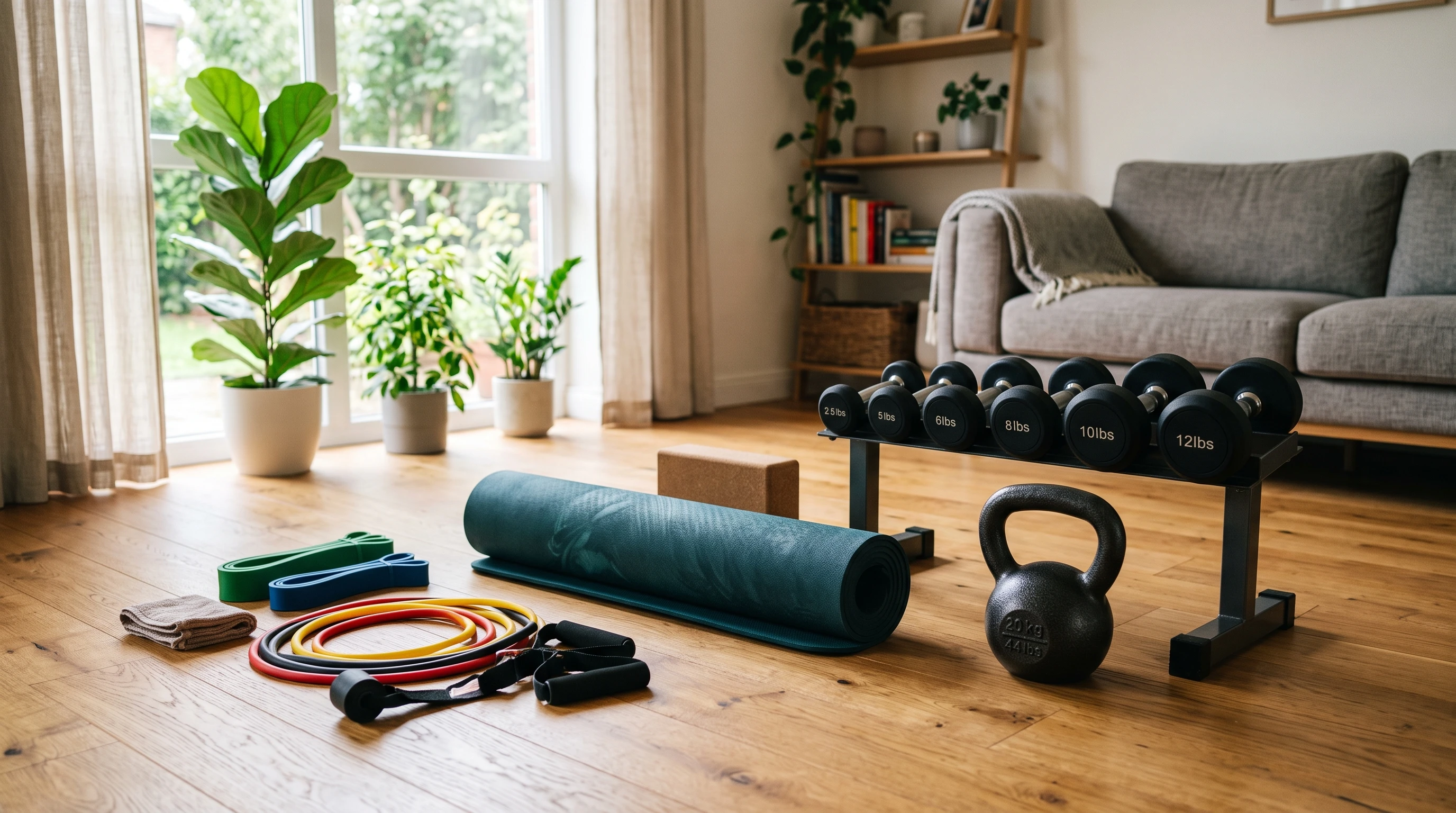
While it’s definitely possible to get a solid workout with just your own body weight, a few pieces of basic gear can really help mix things up. Here are some of the most useful options to have around:
- Resistance Bands: Super versatile, lightweight, and inexpensive, bands can add extra challenge to almost any move.
- Dumbbells: Adjustable sets save space, or you can start with a pair at a manageable weight. Great for upper and lower body moves.
- Kettlebell: Handy for swings, squats, and fullbody exercises, even if you just have one.
- Sturdy Chair or Bench: Useful for stepups, dips, or split squats.
- Yoga Mat: Keeps things comfortable for floor exercises.
If you’re just starting out, your body weight and a little creativity can go a long way. Think about what works for your space and budget. Over time, slowly adding equipment lets you take your home gym up a notch.
Core Bodyweight Strength Exercises You Can Do Indoors
Bodyweight exercises form the base of most athome programs. They don’t require any equipment and can be modified for different skill levels. Here are some staples I always come back to:
- PushUps: These target your chest, shoulders, and triceps. If regular pushups feel too tough, drop your knees to the floor or work off an elevated surface like a low table.
- Squats: Fantastic for building your quads, glutes, and hamstrings. For added challenge, try single leg squats or “pistol” squats.
- Plank: Awesome for the core (abs, back, shoulders). Start with forearm planks and work toward longer holds or add movement, like plank shoulder taps.
- Lunges: Fire up your legs and glutes while improving balance. Static (in place) or walking lunges both do the trick.
- Glute Bridges: Simple but effective for targeting your glutes and hamstrings, and they’re gentle on your back.
- Tricep Dips: Use a sturdy chair for these; they’ll light up the back of your arms.
If you want to switch things up, exercises like mountain climbers or wall sits can add a cardio and endurance twist to your routine—no extra gear needed.
Sample Beginner Strength Training Routine for Home
Here’s a super practical fullbody circuit that you can do two or three times per week. It hits all the main muscle groups and doesn’t require any fancy gear:
- Bodyweight Squats – 10 to 15 reps
- PushUps (or knee pushups) – 8 to 12 reps
- Split Squats or Reverse Lunges – 8 reps per leg
- Plank – Hold for 30 seconds
- Tricep Dips – 8 to 12 reps
- Glute Bridge – 15 to 20 reps
Rest for about a minute between each exercise, then repeat the circuit two or three times. Adjust the reps and rest breaks to fit your fitness level. If you have a timer or stopwatch, try tracking your total time and aiming for small improvements each week.
How to Upgrade Your AtHome Workouts
Once you’ve got the hang of the basics and want a bigger challenge, there are plenty of ways to keep things interesting:
- Add Resistance: Grab some dumbbells, a weighted backpack, or resistance bands for more intensity.
- Slow Down the Tempo: Pause at the bottom of a squat, move slower on the way down in a pushup, or hold the top of a glute bridge.
- Try SuperSets: Pair two exercises back to back, like squats and lunges, for a bigger muscle burn.
- Mix Up the Moves: Introduce new exercises that target different angles, like Bulgarian splitsquats (with one foot on a chair) or side planks.
Tracking your progress in a notebook or an app is a good way to notice improvements and stay motivated. Small gains, like an extra rep or tougher variation, all add up over time. If you want extra guidance, there are tons of free online videos and communities focused on home workouts to check out for fresh inspiration or feedback.
Things to Consider Before Starting Indoor Strength Training
Like any new routine, working out at home comes with its own set of things to think about. Here are a few tips for avoiding frustration:
- Form First: Doing exercises with good technique is super important for seeing results and avoiding injuries. If you’re not sure, searching for video demos can help.
- Start Slow: Trying to do too much right away can lead to soreness or burnout. Begin with two or three days a week, and let your muscles recover between sessions.
- Make Space: Clear enough room to move safely, and check there’s nothing around you that you could trip over or knock into.
- Avoid Distractions: Let others in your home know you’re taking time for your health. Setting a routine or schedule makes it easier to stick with it.
Form First
Doing things with the right form matters way more than how many reps you can crank out or how fast you go. For example, rushing through squats with sloppy technique can put stress on your knees or lower back. If you’re unsure about a move, look up a few tutorials or check out fitness apps that offer visual tips on proper form.
Equipment Safety
Only use equipment that’s in good shape and feels stable. For example, make sure chairs or benches aren’t going to wobble when you use them. Double check resistance bands for any fraying or weak spots. Nobody likes a surprise snap midrep.
Advanced Tips to Build More Muscle at Home
Once you’ve nailed the basics, adding a few smart tweaks can spark more growth and keep things exciting:
Progressive Overload: Gradually increase the weight, reps, or difficulty of your exercises. For instance, go from knee pushups to full pushups, or add a few more reps to your planks each week.
MindMuscle Connection: Think about the muscle you’re working during each exercise. Focusing the movement makes every rep count and helps avoid just going through the motions.
Rest & Recovery: Don’t skimp on rest days. Muscles actually grow when you’re resting, not just when you’re working out.
Staying hydrated, eating enough protein, and keeping up a balanced diet makes a real difference in results. If you’re curious about specifics, registered dietitians and fitness professionals often share helpful resources online, like the Academy of Nutrition and Dietetics.
Real-World Applications: Why Build Muscle at Home?
Muscle isn’t just about looking fit or lifting heavy things. Having more muscle helps you do everyday stuff more easily, such as carrying groceries, climbing stairs, or playing with your kids. It also supports posture and balance, helps your body use sugar more efficiently, and can lessen the aches and pains that come from sitting all day. For folks working from home or spending a lot of time indoors, strength training can help break up the day and give a boost to energy and mood.
- Convenience: No driving or waiting for equipment.
- Privacy: Try new moves without feeling selfconscious.
- Habit Building: Easy to squeeze in a workout around your schedule, making consistency more likely.
Frequently Asked Questions
Question: Can I really build muscle with just bodyweight exercises?
Answer: Absolutely. Moves like pushups, squats, and lunges can lay the foundation for serious strength. As you get stronger, add reps, slow down, or use household items for extra resistance.
Question: How many days per week should I do strength training at home?
Answer: Two or three nonconsecutive days a week is a great place to start. This lets your muscles recover between sessions, which is really important for progress.
Question: What if I only have 15 or 20 minutes?
Answer: Even short workouts can make a difference, especially when you use fullbody circuits or focus on major muscle groups. Consistency over time is what gets results.
Final Thoughts
Getting started with indoor strength training at home is totally doable, and even small steps make an impact. Whether you’re building your first routine with just your body weight or slowly adding new equipment, you’ll see benefits as long as you stick with it and keep things challenging. Toss on your favorite music, clear a spot in your living area, and start feeling stronger one day at a time. Remember, it’s all about progress, not perfection, and every workout is a step closer to your fitness goals.