
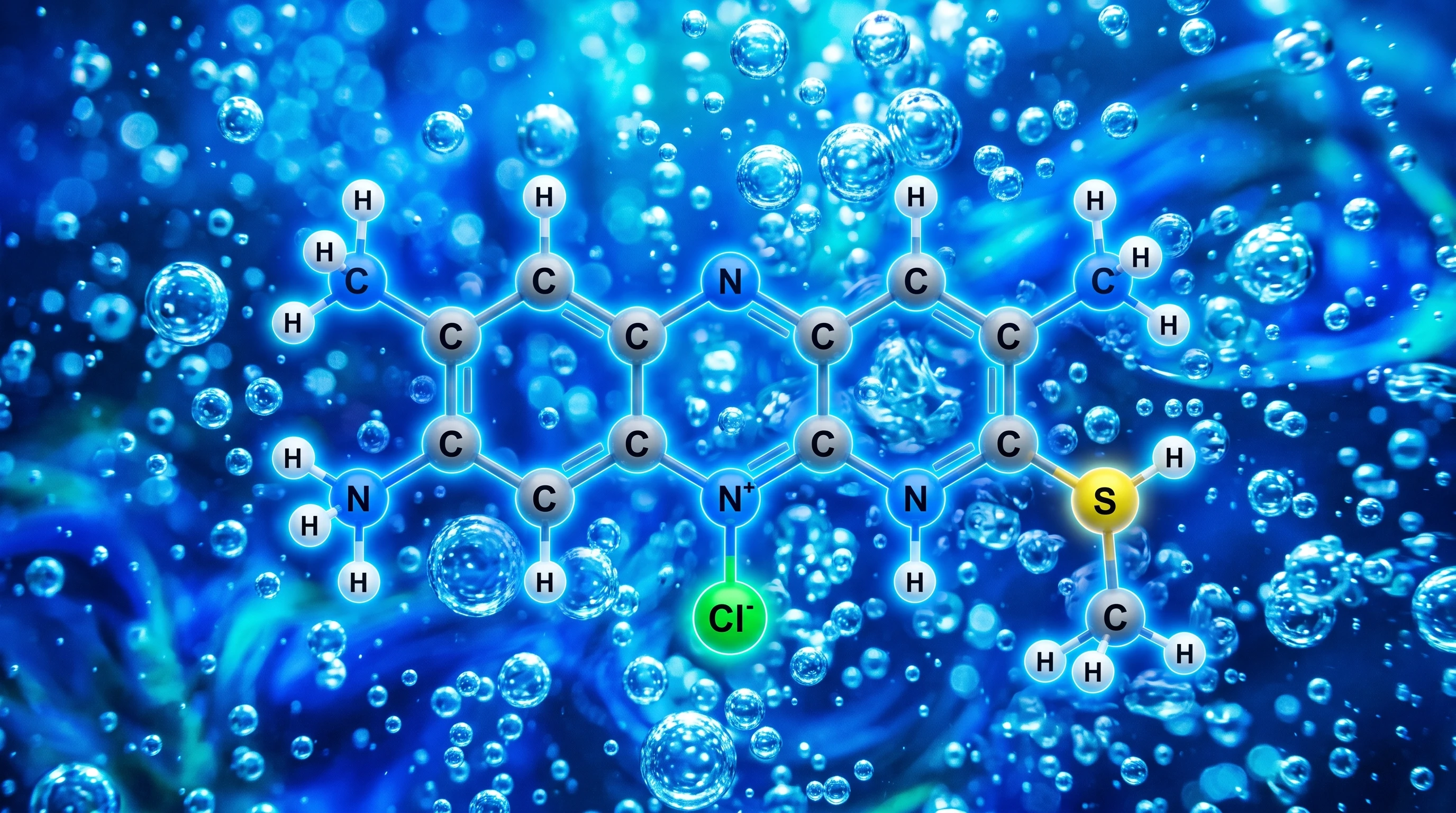
Methylene blue has been popping up a lot lately among people interested in boosting cellular energy and overall health. You might have first heard about it as a dye or from history books about malaria treatment, but there’s a lot more to it than that. What’s really next-level cool about methylene blue is how it works on a cellular level; it helps cells take in and use oxygen more efficiently, which can make a real difference in how your body performs and feels. I’ve been curious about these benefits and how they actually play out in day-to-day health, so here’s what I’ve learned along the way.
Why Oxygen Matters for Cellular Health
Oxygen is one of those things we all know we need, but it’s easy to forget just how involved it is in basically every process that keeps us ticking. Cells rely on oxygen to create energy, repair themselves, and even defend against stress. When cells aren’t getting enough, that’s when fatigue, sluggishness, and longer-term health problems show up.
At the heart of all this is something called the mitochondria. Think of mitochondria as tiny batteries inside nearly every cell. Their job is to turn the food you eat and the air you breathe into a molecule called ATP, which cells use for energy. For a lot of us, tiredness or slow recovery can trace back to how well, or not, our cells are using oxygen and producing ATP. This is where methylene blue steps in with a pretty interesting role. For active people or those coping with constant stress, understanding the oxygen connection is key; better-oxygenated cells often lead to improved stamina, clearer thinking, and more stable moods. As research into cell metabolism expands, the full effects of optimized oxygen use become more apparent, and new supplements or techniques to support cellular oxygen are always being explored.
Understanding Methylene Blue: More Than Just a Dye
Methylene blue was first synthesized in the late 1800s. Most people know it as a lab stain or an oldschool treatment for malaria, but science has started looking at its other uses, especially how it interacts with oxygen inside cells. Researchers have found that even at low doses, methylene blue can help shuttle electrons through the mitochondrial respiratory chain. In plain language, that means it helps mitochondria make energy more efficiently, especially when things aren’t running smoothly on their own.
This isn’t about getting superhuman abilities, but rather supporting the body in what it already does—just more effectively. People have shared stories about improved focus, quicker recovery after exercise, and even better mood after using methylene blue. Some animal and early human studies back this up, but it’s always worth reading a bit more since the research is still evolving. If you want to dig into the details, there’s a great summary of the science on PubMed.
How Methylene Blue Oxygenates Cells
The mitochondria are basically energy factories. Inside them, a chain of reactions—known as the electron transport chain—passes along tiny charges, resulting in the energy your cell needs to work, heal, and thrive. Sometimes, due to age, stress, or illness, this system gets jammed up or less efficient. Methylene blue acts a bit like a backup tool and helps electrons move where they need to go if the usual pathway is struggling. This keeps ATP production steady and cells better oxygenated, even when challenges come up.
Many people don’t realize just how big a difference this can make. Things like brain fog, slow muscle recovery, and generally feeling tired all the time can sometimes be traced back to low ATP production. By lending a hand to the mitochondria in this way, methylene blue can help support steady energy and improved resilience to daily stress. On top of that, some users have noticed improvement in mental tasks, memory, or overall well-being, making this supplement more than just a physical booster.
- Boosted Mental Clarity: People who supplement carefully often report better focus and mental stamina, likely because more energy is available to brain cells.
- Physical Recovery: There are some promising anecdotal reports of easier muscle recovery after intense activity, since well-oxygenated cells fix themselves faster.
- Better Mood: Since the brain is especially sensitive to oxygen and energy dips, supporting cell health here can lift mood and help you handle stress.
Getting Started with Methylene Blue: Important Basics
If you’re curious about methylene blue, start by learning the basics. It’s sold in different grades: some meant for fish tanks, others for lab use, and a more purified “USP” grade for human use. Make sure to only use the pharmaceutical or USP type if you’re thinking about any kind of supplement. It’s best to check in with a healthcare professional who understands how it works first, especially since dosing is important and it can interact with other medications.
Small amounts go a long way, and higher doses are not better. Some people use it by adding a drop to water, while others get it compounded by a doctor or pharmacist. Methylene blue can stain anything it touches (including your mouth and skin), so a bit of caution makes a big difference. When used correctly and safely, most people tolerate it well. Also, always be mindful about storing it—direct exposure to light can reduce its potency.
Common Questions About Methylene Blue and Oxygenation
There’s a lot of curiosity about how methylene blue actually works and what to expect. Here are some straight answers to questions that often come up:
Is methylene blue safe to use?
Used responsibly in the right dose and form, it’s generally considered safe for healthy adults. However, it can interact with certain medications (like SSRIs and other antidepressants) and isn’t recommended during pregnancy or for people with specific medical conditions. It’s super important to start with professional guidance.
How does methylene blue actually help with energy?
Basically, it helps your cells turn oxygen and food into usable energy more efficiently by acting as a backup in the mitochondria. This can mean steadier physical and mental energy through the day, especially when you’re under stress or recovering from intense physical effort. More efficient ATP production can also provide your body with the reserve it needs during periods of illness or after pushing yourself beyond your normal limits.
Can I use methylene blue alone for better health?
Think of it as a tool, not a magic fix. It works best alongside a healthy lifestyle; regular movement, good nutrition, and quality sleep are still top priorities. Methylene blue is just one way to fine-tune the system if you want to take cell health up a notch. It’s also wise to monitor your response over time and avoid jumping between different supplements too quickly.
Real-World Experiences and Applications
Everyday uses for methylene blue have switched up over the years. I’ve seen people use it to help bounce back from brain fog, especially after long flights or busy periods at work. Some athletes use it strategically for recovery. There’s a growing community sharing their stories and game plans—forums like LongeCity or relevant Reddit threads are great for connecting with others interested in this topic. Just remember that what works for one person isn’t always the right fit for another.
A good real-life scenario: Imagine feeling extra sluggish after a week of hard workouts or poor sleep. Supporting your mitochondria’s oxygenation might mean a faster return to feeling yourself, rather than dragging for days. That said, personal results do vary, and it’s still wise to pay attention to your own body’s feedback. You may also stumble upon new groups, protocols, or methods that adjust how people use methylene blue in wellness routines, making experimentation (with oversight) a valuable part of the process.
- Cognitive Support: Students and busy professionals sometimes talk about sharper focus on demanding days.
- Exercise and Endurance: Some experienced athletes use it as part of a broader regimen for stamina and recovery.
- Healthy Aging: Since mitochondria naturally become less efficient with age, there’s interest in whether methylene blue can support longevity and daily vitality.
Potential Side Effects and What to Watch For
While methylene blue is generally safe when used properly, side effects are possible. Most often these include a harmless blue tint to urine or occasionally mild digestive discomfort. At higher or poorly controlled doses, you might experience headaches, lightheadedness, or discomfort, though these are usually mild. Overdoing it is not helpful, so more is definitely not better here. People on certain medications (especially antidepressants) should use extra caution due to the risk of serotonin syndrome, a rare but serious side effect.
Keeping track of how you feel and starting with low, well-measured doses is the safest strategy. If anything feels off, it’s a good move to pause and speak with a healthcare provider. For anyone with chronic health conditions, getting professional advice is really important before trying new supplements. Keeping an eye out for any unexpected reactions can help catch problems early and prevent unwanted effects.
Wrapping Up: Is Methylene Blue Worth Considering?
Methylene blue stands out as an interesting option if you’re looking to support cellular energy and get the most out of oxygen in your body. From sharper focus to improved bounce-back after hard physical or mental effort, the benefits are worth learning about for anyone into biohacking, optimization, or just feeling better day-to-day. There’s still a lot we’re learning in the research world, but so far, the results look promising for those who are thoughtful and careful about how they use it. Always start slow, check your sources, talk with a health professional, and listen to your own experience. Supplement wisely and you just might track down a breath of fresh air for your cells and your overall wellbeing.