
Mace training is becoming more popular as people look for ways to build functional strength, grip power, and better mobility. While swinging a mace can feel pretty cool and even a bit dramatic, there are some really common mistakes that can stall your progress or, even worse, get you hurt. My goal here is to help you spot those mistakes before they happen, so your mace adventure can be both fun and safe from the start.
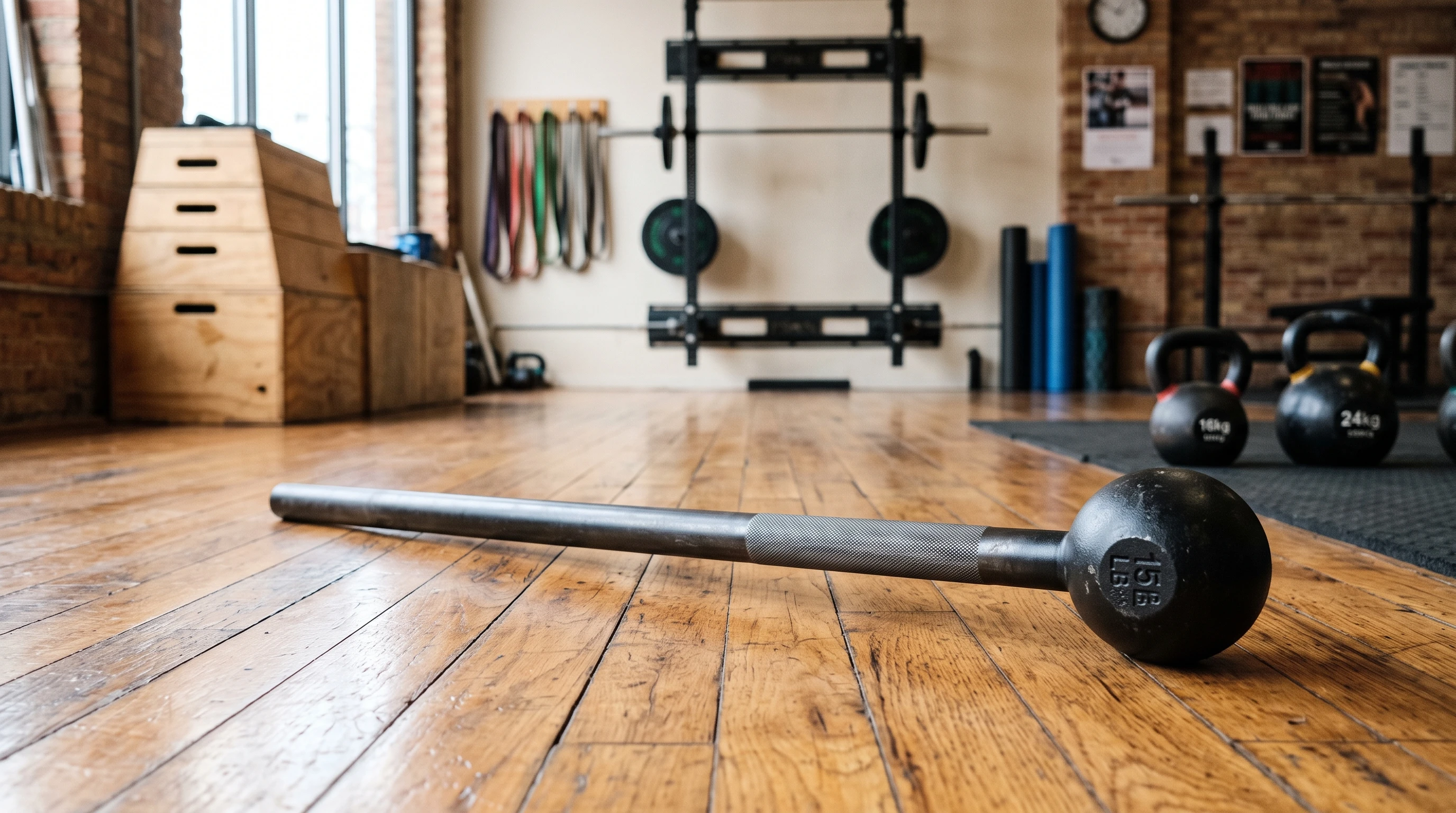
The Most Common Mistakes People Make When Starting Mace Training
Jumping into mace training with a bunch of enthusiasm often means some details get missed. The mace is not a typical gym tool because it has a long lever and an uneven weight, so it hits your muscles and joints in unique ways. It’s really important to nail down the basics, whether you’re using it for full body workouts, grip strength, or shoulder mobility. So, let’s now check out the issues that pop up most often for beginners and even for those with lifting experience.
Skipping the Basics: Why Foundations Matter
Trying complex swings or heavy weights right away is probably the biggest thing that trips up newcomers. There’s a temptation to copy the advanced moves seen online, but those eye-catching swings require a rocksolid grasp of fundamentals.
- Ignoring Proper Grip: Not everyone realizes the way you grip the mace makes a massive difference. The hands need to be placed correctly and apply the right tension throughout every movement.
- Poor Stance and Posture: Standing too tall, rounding your shoulders, or letting the core slack can throw off your balance and steal force from your swings. This can also set you up for back or shoulder trouble.
- Not Learning the “Guard” Position: The “guard” is just how you hold the mace before or after swings. It’s your reset neutral. Not practicing this position leads to sloppy transitions and less control overall.
Choosing the Wrong Weight
Picking a mace that’s too heavy (or even too light) causes more problems than you might guess. People often overestimate their strength or try to impress by using more weight than they should. The result? Poor technique and increased risk of injury. If you can’t control the movement, the mace will control you.
- Going Too Heavy: This quickly leads to breaks in form, bad compensations, and accidents if the mace gets away from you.
- Going Too Light: Conversely, using a super light mace (like a wooden dowel) can keep you from building the grip and shoulder stability that makes mace training so effective.
- Solution: Most folks find that starting in the 7-10 lb (3-4.5 kg) range is about right. Focus on form, and only move up once you feel totally in control throughout the movement.
Not Respecting Range of Motion and Mobility Limits
A huge part of mace training is moving through big, sweeping ranges of motion. Trying to force these moves before your joints are ready is pretty risky. Shoulders, wrists, and back muscles need time to adjust to these new demands.
- Stiff Shoulders and Wrists: Some folks push through stiff joints without warm-ups or mobility work, which can backfire quickly. Gradual improvement is much safer and more effective.
- Rushing Progressions: Not everyone likes to start at the bottom, but it’s much better to introduce advanced swings after you’ve spent dedicated time building up shoulder, core, and grip endurance.
A Simple Mobility Starter Routine
I find giving some love to the shoulders and wrists before every session keeps you out of trouble. Arm circles, wrist rolls, and some band work wake up all the right stabilizers. It might seem basic, but this prep work really does pay off. Even just a few minutes spent before picking up the mace helps increase your comfort and range as you progress.
Bad Rep Counting and Low-Quality Repetitions
Lots of people will focus on racking up high rep counts because it feels productive. But banging out reps with poor form just turns into a habit of “practicing mistakes.” The quality of movement matters way more than the total number.
- Lack of Control: Letting the mace swing wildly or bouncing it off the end points cheats your body out of actual work and puts the joints at risk. The whole point is smooth, deliberate motion.
- Mindless Movement: Flipping into autopilot and letting momentum take over usually ends with you losing control somewhere in the set.
- What Helps: I like to keep the tempo slow and even, pausing at the start and end of every rep. Check yourself in the mirror or on video. Clean, controlled movement will give better results every time.
Neglecting Core Engagement
The core is the unsung hero in mace training. Without a strong and active core, the wobbles and shakes of a long mace can tax the lower back or strain the shoulders. It’s not just about swinging with your arms; your entire trunk should do some of the heavy lifting.
- Letting the Core Go Slack: If the abs and obliques aren’t bracing during every swing, expect to feel aches in your lower back afterwards.
- Compensating with Other Parts: Trying to muscle through with only your arms or shoulders often throws your balance off and actually makes the swing less powerful, and less safe.
- Tip: Think about tightening your abs right before you start your swing, and keep them braced just slightly throughout every rep. It makes a huge difference in stability and safety.
Ignoring Breathing Techniques
How you breathe during mace training impacts everything from strength to rhythm and focus. Breath holding during tough reps is a habit many bring over from weightlifting, but it’s less helpful here. Moving with the mace gets much easier when breath is synced with the swings.
- Poor Breathing: Holding your breath raises blood pressure and cuts down on endurance. The body tires faster and technique breaks down sooner.
- Breath Coordination: Exhale on effort, like the main pull or swing part, and inhale on the easier return.
Not Paying Attention to Rest and Overuse
Mace workouts can get addictive because they hit so many muscles and feel pretty unique. But, like any new tool, overdoing it too soon can leave you nursing sore joints and tired muscles.
- Neglecting Recovery: Shoulders, elbows, and wrists especially need time to get used to all that circular strength work.
- Pushing Past Fatigue: Fatigue sets in, and form falls apart. That’s when most injuries happen, and you can end up taking longer breaks than you wanted.
- My rule of thumb: Start with two or three sessions a week at most, and keep things short to begin with. Twenty to thirty minutes of focused swings and basics is plenty.
Thinking Mace Training is Only About the Upper Body
A lot of people assume it’s all shoulders and arms, but good mace swings involve much more. Using the whole body, especially legs and hips, not only generates more power but spreads the load so you aren’t overtaxing just a few areas.
- Static Legs: Keeping your feet glued in place and not engaging your hips turns swings into awkward shoulder lifts.
- Not Using Hips: Hips and legs are your power source, especially for big moves like 360s or 10-to-2 swings. Shifting your weight, slightly bending the knees, and staying light on your feet all contribute to more fluid and strong swings.
What Beginners Should Focus on For Success in Mace Training
- Start with Simple Moves: Learn the basics like the front pendulum and mace 360 with light weight before graduating to more complex swings.
- Record Yourself: Filming your sets gives instant feedback on form.
- Use Mirrors or Ask for Feedback: Seeing your movement in real time helps you spot posture problems early.
- Keep Mobility Work Regular: Make a habit of prepping and stretching, especially for wrists, shoulders, and upper back.
- Emphasize Quality Over Quantity: A handful of good reps beats a pile of sloppy ones any day.
Frequently Asked Questions About Mace Training Mistakes
What weight should I start with for mace training?
Most beginners do best with a 7-10 lb mace to start. This range challenges you without making it tough to keep form crisp on each swing.
My wrists hurt after mace training, what’s going wrong?
Usually, this means your grip and wrist alignment need some work. Spend time on wrist prep and don’t force range of motion. Keeping the wrists neutral and not letting the mace yank your hands at end range really helps.
Is it okay to do mace training every day?
It’s better to allow at least one full day of rest between mace sessions at first. This gives your joints and smaller stabilizer muscles time to recover and adapt.
Do I need to do any other kind of training alongside mace work?
Supplementing with bodyweight exercises, basic resistance training, and stretching helps keep your whole body balanced and makes progress quicker and safer.
Wrapping Up
Mace training is an awesome way to build functional strength and real-world mobility, but only when you roll with smart technique and a focus on safe progression. Paying attention to weight choices, grip, posture, and rest lets you get all the benefits without unnecessary setbacks. Practicing these habits keeps your workouts fun and keeps you getting stronger for a long time to come. If you’re just getting started, remember that consistency and focus matter more than explosive moves. Stick to these tips and you’ll be on your way to mastering mace skills with minimal risk and plenty of rewards.