Alternative medicine covers a pretty broad range of health practices that don’t come from conventional Western medical systems. These therapies appeal to people looking for a different approach, maybe to get relief from chronic issues or to avoid side effects from standard treatments. From herbal supplements to acupuncture and meditation, there’s a lot to be curious about if you’re checking out the world of alternative medicine for the first time.
Understanding Alternative Medicine: What Does It Actually Mean?
When people talk about alternative medicine, they generally mean all the treatments, products, or systems that aren’t a typical part of conventional medical training or practice. The World Health Organization describes it as a set of healthcare practices that are not part of the country’s own tradition and are not fully integrated into the dominant healthcare system. You might also see terms like “complementary medicine,” which means using alternative therapies along with regular medical treatments, making this area pretty flexible for those who want different options for their wellness adventure.
Alternative medicine includes things like herbal remedies, traditional systems (like Traditional Chinese Medicine and Ayurveda), energy therapies, bodybased practices, and mindbody interventions. Millions of people in the U.S. alone say they’ve tried some form of nonconventional medicine at least once. Interest has grown as more people seek holistic care, making this field worth exploring, especially if you want to be an active participant in your health decisions.
Different Types of Alternative Medicine
If you’re new to the idea, it helps to know about the main categories you might come across. Here are some of the most common:
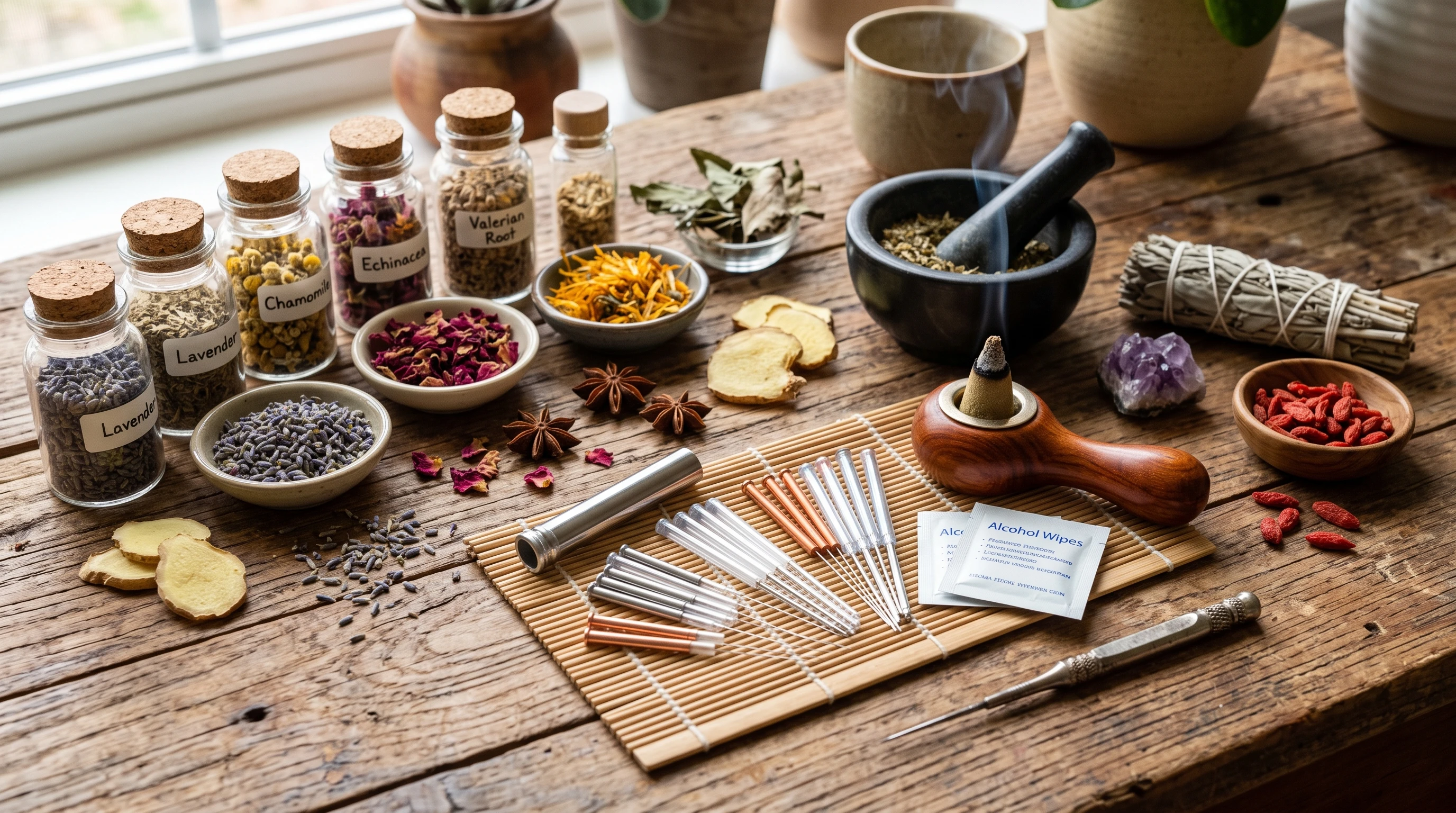
- Herbal and Natural Remedies: This category covers everything from teas and tinctures to oils and supplements. Classic examples include echinacea for immune support, turmeric for inflammation, or ginger for nausea.
- Traditional Medicine Systems: Ayurveda from India and Traditional Chinese Medicine use plantbased remedies, special diets, or bodywork. Homeopathy and naturopathy also fall into this group, with individualized care and natural methods.
- Manual Therapies: This includes acupuncture, chiropractic care, massage, and even practices like reflexology. These therapies focus on manipulating the body to boost natural healing.
- MindBody Practices: Yoga, meditation, tai chi, and breathwork connect physical movement and mental relaxation. People use them to manage stress or encourage emotional wellbeing.
- Energy Therapies: Reiki, qigong, and similar approaches focus on moving or balancing energy in the body. They’re often gentle and used to promote relaxation or overall balance.
Each approach uses a different philosophy of health, so reading up or talking to a knowledgeable practitioner can help you find a good fit for your needs.
How to Get Started with Alternative Medicine
Trying out alternative medicine might feel a little intimidating because there are so many options. Getting the basics down makes it more approachable, plus it’s good to be informed so you can stay safe. Here are some tips to start exploring:
- Identify Your Goals: Think about what you hope to change or improve. Are you looking for help with sleep, stress, chronic pain, or just curious to see what’s out there?
- Start with Something Simple: Herbal teas, gentle yoga routines, or guided meditation are low risk ways to sample what alternative therapies have to offer.
- Consult Your Doctor: Especially if you take regular medication or have health issues, it’s worth checking in with your healthcare provider before starting new herbs or supplements.
- Do Your Homework: Research the practice you’re interested in. Reliable websites, published research articles, and books from respected experts are all pretty handy.
- Find the Right Practitioner: For treatments like acupuncture, chiropractic care, or naturopathy, it’s important to seek out licensed and experienced professionals.
- Track Your Progress: Keep notes on anything you try and how you feel. This helps you figure out what’s working and what isn’t worth your time or money.
Things to Think About Before Trying Alternative Medicine
Alternative medicine has some eye-catching benefits, but it also comes with challenges that are worth understanding. Here are a few key points to keep in mind:
- Safety and Side Effects: Just because something is “natural” doesn’t mean it’s always safe. Some herbs interact with medications, or might not be right if you’re pregnant or have certain medical conditions.
- Evidence and Effectiveness: The level of scientific research backing alternative therapies can be pretty up and down. Some are well studied (acupuncture for pain or meditation for stress), but others lack strong evidence. Checking reputable sources like the National Center for Complementary and Integrative Health (NCCIH) helps you sort facts from hype.
- Quality and Regulation: Not all supplements are regulated as strictly as medications. Look for thirdparty testing, clinical certifications, or practitioners with recognized credentials.
- Cost: Insurance sometimes covers things like chiropractic or acupuncture, but most alternative therapies are paid outofpocket. Planning your budget keeps things simple.
Safety First
This is really important: if you have a serious health condition, rely on proven treatments as your main form of care. Alternative therapies can support wellbeing, but delaying standard medical care in favor of unproven alternatives is risky. It’s better to use a mix of approaches under the guidance of both doctors and alternative practitioners when possible.
Finding Reliable Information and Practitioners
Alternative therapies are best explored with good information. A lot of claims are made online, so stick to credible sources. Government health agencies, established medical schools, or wellknown industry organizations are good starting points. If you’re working with a practitioner, ask about their background. Most reputable professionals are happy to share details about their education, certifications, and experience. Don’t hesitate to check reviews or ask others about their experiences with different practitioners.
It’s wise to check for certifications and memberships in professional organizations. This signals that the practitioner adheres to certain standards and keeps up with continuing education. When booking an appointment, feel free to ask questions about methods, pricing, what a session entails, and potential side effects. Being informed and comfortable with your provider makes for a better adventure and increases your odds of finding a therapy that works well for you.
Advanced Tips for Getting the Most Out of Alternative Medicine
Once you’re comfortable with the basics, there are a few ways to deepen your experience and possibly get more benefit from alternative medicine. For example, you might want to join local workshops or group classes to learn hands-on techniques, or try new practices under professional supervision to broaden your exposure. Consider keeping a wellness journal to log your experiences and reactions to various treatments.
Be Consistent: Many therapies work best with regular practice or use. Think daily mindfulness or taking your herbal supplements as recommended.
Combine Approaches: Some people find more relief or balance when mixing therapies, like pairing acupuncture with relaxation techniques or using herbal remedies along with nutrition advice from a naturopath.
Practice Mindful Observation: Being present and aware of how your body and mind respond to new therapies helps make adjustments that suit your needs better.
Stay Current with Research: New studies pop up every year, so keeping an eye on updated information helps you make smarter choices as the field glows up over time.
Set Realistic Expectations: Alternative medicine isn’t a quick fix. Benefits are often gradual, so patience and openness are helpful attitudes to bring along.
Popular Tools and Products in Alternative Medicine
The right supplies can make alternative medicine easier to incorporate into your daytoday routine. Here are some products many beginners find handy:
- Herbal Teas and Tinctures: Chamomile, valerian, and peppermint teas are good for calming or digestive issues.
- Essential Oils: Used in diffusers or added to baths, lavender and eucalyptus are common choices.
- Yoga Mats & Props: For home yoga or mobility practice.
- Acupressure Mats or Massage Tools: For selfcare between practitioner visits. Foam rollers are also handy for at-home massage work.
- Guided Meditation Apps: Apps like Insight Timer or Headspace make it simple to get started with guided practice. Many apps include free resources and meditations designed for beginners.
Trying different tools helps you figure out what suits you best. Sometimes it’s about finding what makes regular practice feel relaxing and enjoyable. You might want to experiment with aromatherapy diffusers, herbal heating pads, or mindfulness journals to see what helps you stick with your new routine.
Frequently Asked Questions
Curious about alternative medicine? Here are a few of the questions people ask most often:
Question: Is alternative medicine safe?
Answer: Most practices are safe when done with proper guidance. It’s always smart to check with your healthcare provider, especially before adding herbs or supplements.
Question: How do I choose an alternative medicine practitioner?
Answer: Look for someone with recognized training and clear professional experience. Reviews and recommendations also help you find qualified people.
Question: Can alternative and conventional medicine be used together?
Answer: Yes, many people blend both. Communicate openly with your medical providers to keep things safe and coordinated.
Final Thoughts
Alternative medicine brings a wide array of options for anyone looking to take charge of their health in a more personalized way. While it isn’t meant to replace medical care for serious conditions, it can complement standard treatments and offer fresh ideas for feeling better. Exploring these therapies means trying new things, asking smart questions, and standing behind your own well-being every step of the way.