
Mace training has really attracted attention for its mix of strength, coordination, and grip work. Swinging a long, unevenly weighted steel mace isn’t just flashy. It’s a solid, practical way to train your forearms, hands, and even your mind-body coordination. For anyone looking to take up their grip strength and overall athleticism, getting started with mace work might feel a little intimidating at first. I’m going to break down how mace training specifically helps with grip and coordination, offer tips for getting started, and share some insights that make this tool worth checking out.
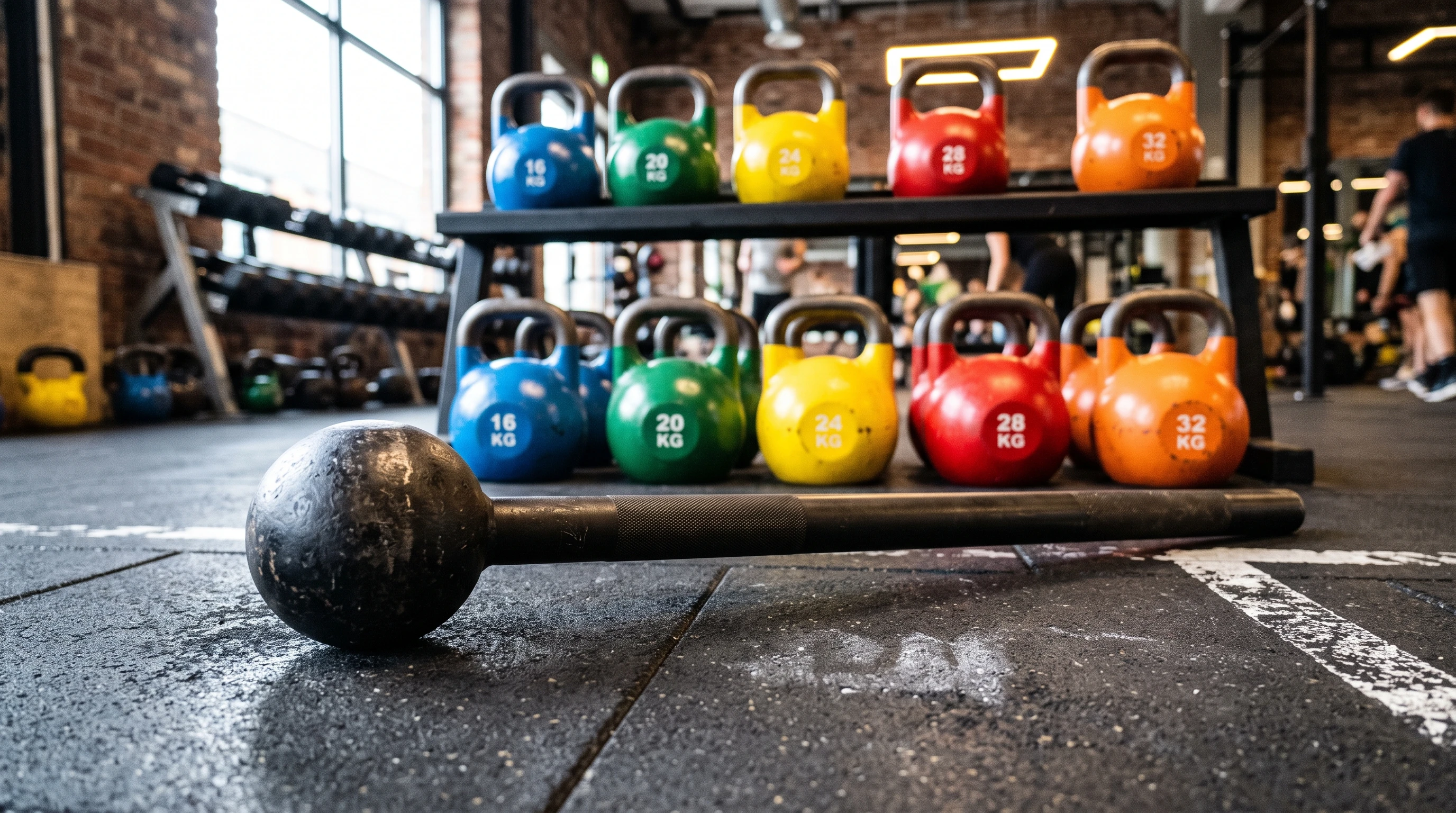
The Basics: Why Mace Training is So Great for Grip Strength
Mace training isn’t just about swinging something heavy around. It requires real focus, balance, and an active grip from start to finish. Unlike dumbbells or barbells, a mace has most of its weight loaded at one end. This gives it a hugely different feel and forces your hand and forearm muscles to adapt in ways regular weights just don’t challenge you.
Historically, the mace (also called a gada or club) has origins in ancient Persia and India. Wrestlers, soldiers, and athletes used these to build functional strength and wrist endurance for combat and competition. Modern fitness has seen a surge in these oldschool tools, with brands making steel maces easy to buy online.
Getting Started: What You Need to Know Before You Swing
Jumping into mace training doesn’t require a ton of gear, but there are a few things to keep in mind if you want to focus on grip and control. The main part is the mace itself, but technique and setup really matter here.
- Mace Weight: Beginners can start with a 7-10 pound mace for most movements. It might sound light, but because the mass is concentrated at the end, it’ll feel heavier to your grip than you expect.
- Grip Widths: The way you hold the mace affects how hard your hands and forearms work. Try wide, narrow, and offset grips to recruit different muscles each session.
- Space: Make sure you have plenty of room around you. Safety is super important since the arc of the swing is way wider than most gym movements.
The unique challenge of balancing the heavy end as it changes direction helps develop stabilizer muscles in your wrists and hands, which carry over to sports, climbing, and daily life.
Quick Start Guide: Building Grip Strength and Coordination with Mace Moves
Mace work is about more than just brute strength. Each swing or movement calls for fullbody control, especially from your brain to the tips of your fingers. Here are some simple steps to get started on the right track:
- Master the Basic Grip: Get comfortable holding the mace in both hands, switching which hand is closer to the weighted end. This back-and-forth trains your nondominant hand, boosting balanced grip strength.
- Start with TwoHanded Movements: The 360 and 10-to-2 swings are classic for a reason. Keep your grip relaxed but secure, and focus on guiding the mace smoothly.
- Slow Down: Rushed swings aren’t helpful for building control. Practicing the movement slowly lets your brain and grip adapt safely.
- Practice MixedGrip Holds: Alternate stepping your hands closer or further apart on the handle to change the challenge. Narrow grip torches your forearms, while wider grip taps more into shoulders and core, but always keeps your hands working.
- Add Complex Patterns Gradually: Once you’re comfortable, try offset swings, singlearm variations, or combinations that force your grip to respond to new angles.
It’s really important to rest when your hands fatigue, since pushing through weak grip can lead to losing control of the mace or poor form.
What to Keep in Mind for Mace Training Success
Mace workouts are different from traditional lifts, and they come with some specific stuff to watch out for. Here are a few practical considerations for getting steady results:
- Hand Fatigue: Your forearms and hands will wear out quickly when you’re new. It’s normal; give yourself frequent breaks and build up volume slowly.
- Calluses and Skin Care: The rough handle can chew up your skin at first. Gloves can help, but most maces have a textured grip to prevent slipping. A little athletic tape or balm is pretty handy until your hands toughen up.
- Technique Over Heavier Weights: Ego lifting with a mace doesn’t work well. Poor form can whack you or break things in your space. Light weights and solid technique offer way more longterm results.
- Variety Matters: Changing up stances, grips, and movement patterns prevents you from getting bored and works different aspects of grip and coordination.
Hand Fatigue
Because the load is at the end of the mace, your hand and forearm muscles get hammered pretty fast. This type of fatigue won’t feel like traditional gym soreness. Letting your grip recover between sessions helps you avoid injuries and make consistent progress.
Calluses and Skin Care
If you’re new to steel handles, your hands might rip or blister the first few times you train. Most people toughen up after a few sessions, but it’s smart to keep your hands clean and protected. Some people use gymnastics grips or light tape for extra padding while they adapt.
Technique Over Heavier Weights
Even advanced folks stick with lighter maces for more complex patterns. Managing a 10-pound mace smoothly is way more productive than swinging 20 pounds with poor control.
Variety Matters
Trying different movement patterns, switching between single and twohand moves, and using different grip positions not only minimizes plateaus but also helps you keep learning and challenging those coordination muscles.
Mace workouts can be intense, but proper preparation and steady progression make the process smoother. Taking time to build your foundation helps you swing with more control and safety.
Pro Tips for Maximum Grip and Coordination Gains
Once your basics are solid, dialing in technique and adding new mace variations will keep your grip strength and coordination steadily progressing. A few advanced tips have helped me (and everyone I’ve trained with) see real improvements:
Try Timed Holds: In addition to swings, simply holding the mace with one hand at the farthest end for as long as possible is a killer finisher that builds isometric grip power.
Use Soft Hands: Squeezing too tightly reduces your dexterity. Find the “just right” grip tension; enough to control the mace but not so tight that you burn out in seconds.
Incorporate Rotational Moves: Adding lunges, squats, or circles while holding the mace challenges your coordination in whole new ways. Your grip has to react instantly to the constantly changing angles.
Practicing outside or in front of a mirror can help you spot sloppy technique, and adding video feedback is pretty useful for making faster improvements. You can even try combining basic mace moves with footwork or balance drills, which strengthens your neuromuscular response and boosts confidence. Experimenting with tempo, such as pausing mid swing or controlling the return, further builds endurance and fine motor control—great for anyone wanting next-level cool performance.
The Basics: Core Mace Exercises for Grip and Coordination
A few goto exercises target both grip and coordination in one shot. These staples are worth focusing on, whether you’re brand new or have some experience:
- Mace 360: The classic swing around your head taxes your grip the entire time, and the shifting weight demands lots of control.
- 10-to-2: A controlled, slightly smaller version of the 360, focusing on stopping and reversing the mace at “10” and “2” o’clock. This move is really helpful for building wrist strength and timing.
- Offset Hold Walks: Hold the mace vertically, topheavy, in one hand and go for a walk. This fires up every muscle in your hand, wrist, and core.
- SingleArm Swings: Rotating the mace with one hand challenges your nondominant hand and really forces your stabilizer muscles to work overtime.
For real-world context, adding these exercises to a weekly routine not only builds a stronger grip but also noticeably improves your sense of balance and coordination. Whether you play tennis, climb, or just want to open jars more easily, these patterns carry over well. Throw a few sets into your upper body days as finishers, or make a full session out of light maces focused on coordination—either way, the benefits spread fast.
- Climbers and Rock Gym Athletes: Use mace swings for grip endurance.
- Martial Arts and Boxing Athletes: Mace work adds rotational core strength and wrist stability.
- Athletes in Throwing Sports: Improve shoulder mobility and grip power for better throws and catches.
Even office workers or people with hand fatigue from typing can stumble upon relief with light mace drills a few times a week. The emphasis on moving with control and intention can benefit anyone. Try documenting your sessions or participating in group classes to keep the process enjoyable. Tracking your progress builds motivation to keep going and helps you spot plateaus, so you can switch things up for greater gains.
Frequently Asked Questions
I’ve gotten a ton of questions from friends and gym members curious about getting into mace training. Here are a few that pop up the most:
Question: What’s the safest way to start with mace training?
Answer: Start with a lighter weight, get comfortable with basic movements, and focus on solid form. Practicing in an open area keeps things safe.
Question: How often can I train with the mace?
Answer: Beginners often do best with 2-3 sessions per week, especially when their grip is still adapting. Adding in more frequency as your hands toughen up works well.
Question: Is there any equipment to avoid when training grip with the mace?
Answer: Avoid slippery or smoothhandled maces that are harder to grip. If you use homemade maces, make sure the handle is secure and the weight is fixed, so it won’t come loose mid swing.
Question: Can I use the mace for conditioning?
Answer: Absolutely; try circuits combining swings, holds, and loaded carries for a full-body conditioning workout that also builds grip endurance.
Question: Are there resources or communities I can join?
Answer: There are growing online groups dedicated to mace training, with lots of videos, coaching tips, and even virtual competitions. Check out social media channels and fitness forums for support and motivation.
Final Thoughts
Adding mace training to your fitness routine is a pretty handy way to build grip strength, coordination, and confidence. Swinging a mace looks cool, but the real value is in how much it strengthens your hands, forearms, and your connection between mind and muscle. Starting light, practicing steady, and keeping things interesting with new movements is the way to go. If you’re serious about improving grip and coordination, the steel mace is definitely worth a shot. Enjoy the process; your hands (and your whole body) will thank you.