
Aromatherapy has become eye-catching for many people in recent years, making appearances in yoga studios, home diffusers, and personal routines everywhere. At its core, aromatherapy uses plant-based essential oils to promote physical, mental, and emotional well-being. If you’re considering natural approaches to health, it’s worth learning how aromatherapy fits into the bigger picture of holistic health and why so many people stand behind it.
How Aromatherapy Works in Holistic Health
Aromatherapy isn’t just about appealing fragrances; it’s about how scents interact with your mind and body. Essential oils are extracted from flowers, leaves, bark, or other plant parts. When these oils are inhaled, diffused, or used on the skin, they interact with your body in interesting ways.
Holistic health considers your entire self—not just physical symptoms, but your mental, emotional, and spiritual well-being, too. Aromatherapy fits right in because it addresses these different facets at once. For example, breathing in lavender can help you relax before bed (mental), leading to better sleep (physical), and that solid rest can improve your outlook and mood (emotional).
Key Benefits of Aromatherapy
People typically use aromatherapy to give a boost to several main aspects of their lives:
- Stress and Anxiety Relief: Certain scents such as lavender, bergamot, and frankincense are trusted for their calming properties. You’ll often see diffusers or rollon blends being used to unwind after work or before sleep.
- Sleep Support: Difficulty sleeping is common now more than ever. Oils like chamomile and sandalwood help set the stage for relaxation, supporting you in both falling and staying asleep.
- Energy and Focus: Peppermint, eucalyptus, and citrus oils are popular choices for boosting alertness and helping you focus. Many people keep a small inhaler or diffuser at their desk to make the most of these during busy days.
- Pain Management: Oils such as ginger, marjoram, and wintergreen are often chosen for helping with muscle and joint soreness. Massage with diluted oils or adding them to bathwater is one way to get relief.
- Mood Lifting: Citrus scents like sweet orange, lemon, and grapefruit are known for their ability to brighten up your mood, making them a go-to when you need emotional support or a touch of motivation.
Aromatherapy is also said to help support the immune system and can even be incorporated into green cleaning routines, offering natural alternatives to chemical-laden air fresheners or cleansers.
Popular Essential Oils and Their Uses
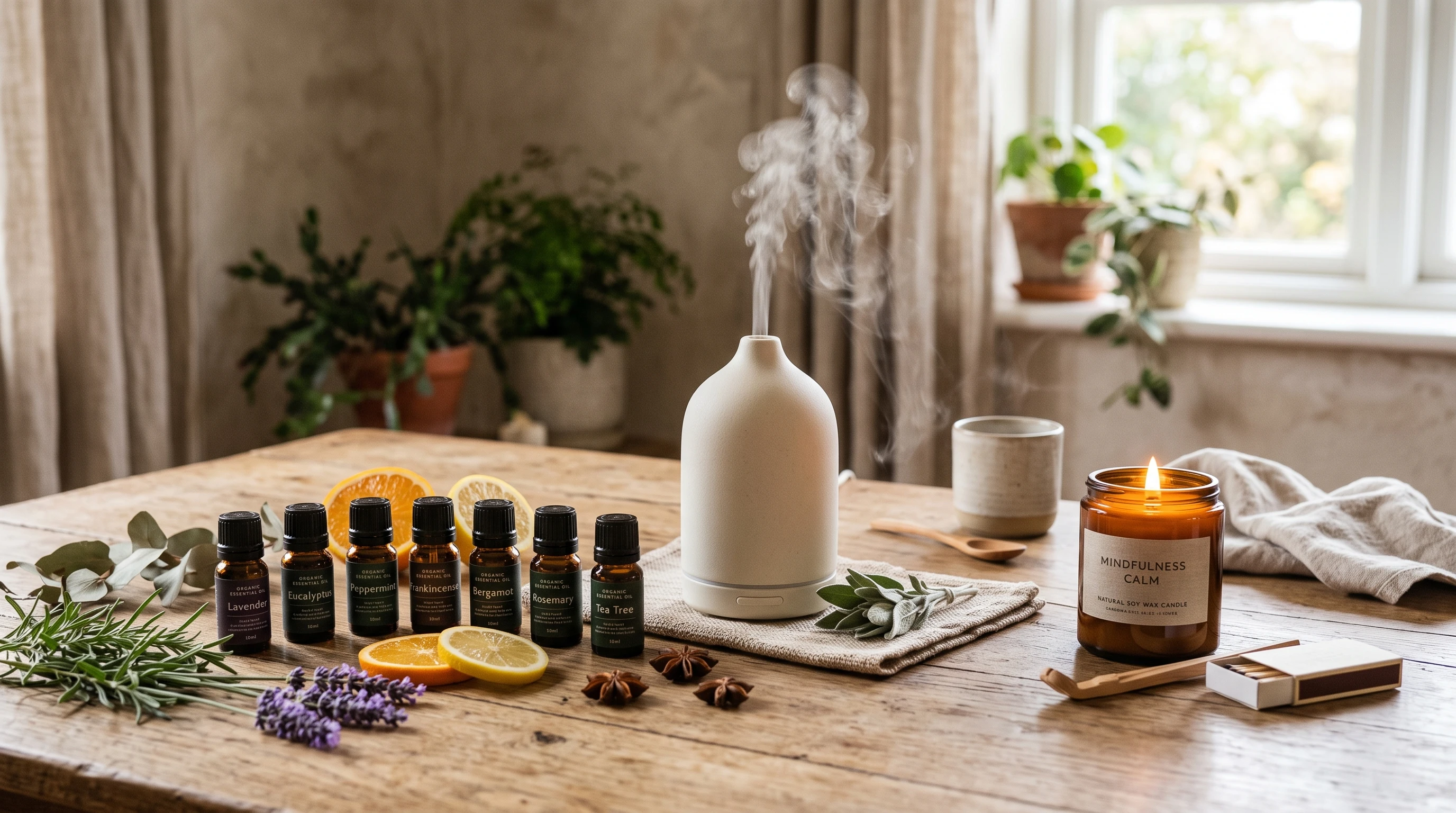
With so many essential oils out there, it’s helpful to start by tracking down a few tried-and-true favorites that are both versatile and easy to find. Here’s a list of some popular oils:
- Lavender: Excellent for relaxation, promoting restful sleep, and easing tension.
- Peppermint: Known for helping with headaches, increasing alertness, clearing sinuses, and sharpening focus.
- Lemon: Loved for its uplifting scent that refreshes the air and gives energy levels a nudge.
- Eucalyptus: Supports clear, open breathing, and is often reached for when fighting off colds or allergies.
- Tea Tree: Favored in homemade cleaning products and skincare routines for its purifying aspects.
Every oil reacts slightly differently and responds to each person’s unique chemistry. Exploring different oils and seeing which you gravitate towards will help you build a collection that meets your needs.
Getting Started With Aromatherapy
Jumping into aromatherapy doesn’t need to be overwhelming. Here are a few everyday ways to work essential oils into your routine:
- Diffusers: These devices release essential oils into the air. Options include ultrasonic, nebulizing, or even just simple reed diffusers for a lighter touch.
- Topical Application: Always dilute essential oils with a carrier oil like coconut, jojoba, or almond. Once mixed, you can use them for massages or as customized skin care products.
- Baths: A handful of drops in a warm bath—after mixing with carrier oil—turns your soak into a spa-like retreat.
- Inhalation: Put a drop on a tissue and inhale, or use portable aromatherapy inhalers for energy boosts or relaxation as needed.
- Sprays: Mix essential oils with water for easy-to-use linen or room sprays. Always shake before each use.
Whatever method you try, avoid putting undiluted oils directly on your skin, and use them in areas with good airflow—this keeps you safe and gets the best results.
Things To Think About Before Using Essential Oils
While aromatherapy is generally enjoyable, there are some practical tips to keep in mind so you make the most of it responsibly:
- Quality Matters: Not all oils are created equal. Choose brands that are open about how and where their oils are made, clearly test their purity, and skip the synthetic stuff.
- Allergies and Sensitivities: Always patch test diluted oils before use. Go easy at first—your skin and senses will let you know if something isn’t right.
- Kids, Pets, and Pregnant Women: Some oils shouldn’t be used around kids, pets, or pregnant people. Eucalyptus and peppermint are not safe for tiny kids, and cats can be particularly sensitive. Check with a vet or pediatrician to be sure.
- Proper Dilution: For skin or bath use, essential oils need to be mixed with carrier oils. Adult ratios are usually 1–2 drops per teaspoon of carrier oil; amounts for kids or older adults are even lower.
Quality and Safety
The quality of your oils impacts your experience and safety. Cheaper oils might have fillers or synthetic fragrances that can cause reactions. If you’re ever in doubt, look for brands with transparent third-party testing and solid reviews from real-life users.
Application Method
It’s best to begin with the safest methods: room diffusion and gentle topical blends. For those wanting to explore blending their own recipes or using oils for specific wellness goals, doing some extra research or chatting with a qualified aromatherapist can be helpful.
Dosage
Since essential oils are super concentrated, you only need a small amount to get the intended benefits. Using more oil won’t get results faster—instead, stick to the guidelines for a smoother, irritation-free experience.
Advanced Tips and Tricks for Aromatherapy Fans
Feeling comfortable with the basics? Here are some ways to get creative and customize aromatherapy for your day-to-day needs:
Create Custom Blends: Mixing a couple oils together creates a new scent and effect. For example, lavender and bergamot for a calming moment, or peppermint with lemon for a mental pick-me-up.
Rotate Scents: Mixing things up by using different oils based on mood, season, or time of day keeps your nose fresh and your experience enjoyable. This prevents you from going “nose blind” or losing sensitivity to scents you use often.
Add Aromatherapy to Rituals: Incorporate oils into regular downtime or chores: a whiff of eucalyptus in the shower, orange-lavender spray on your pillow, or a citrus blend in your cleaning routine can really give a spark to everyday habits.
Get Creative in the Kitchen: Some food-safe essential oils, like lemon or orange, can add flavor and aroma to recipes or teas. Always be sure the oil is safe for culinary use, and use just a drop!
Where Aromatherapy Fits in Real Life
People use aromatherapy in diverse ways, from personal stress relief to supporting workouts or school performance. At work, diffusing rosemary or citrus oils can help with focus and motivation. Yoga and meditation instructors often use frankincense or sandalwood to set a calming vibe. Even healthcare settings sometimes use lavender for relaxation before procedures (as seen in this review).
- Self-Care: Creating a simple aromatherapy ritual is an easy way to show yourself some care and build in calm moments.
- At-Home Spa: Add oils to baths, home facials, or foot soaks to bring a relaxing spa mood into your space.
- Seasonal Support: Eucalyptus and peppermint are stars in winter for clearing sinuses; chamomile and geranium are soothing choices when things heat up in summer.
- Emotional Well-being: Regular use of comforting scents may help ease stress or irritability—especially useful when life gets hectic or changes fast.
Some sports fans and athletes use peppermint or eucalyptus oils before or after a workout for a little invigoration, while parents might reach for calming oils during a child’s nap time wind-down. Aromatherapy adds value to all sorts of routines.
Frequently Asked Questions
People checking out aromatherapy usually ask a few main questions:
Question: Can aromatherapy really help with sleep problems?
Answer: Many people find that using lavender or chamomile essential oil in a pre-bed ritual helps them wind down and fall asleep easier. Some research supports these effects, although individuals might respond differently.
Question: Is it safe to use essential oils around pets?
Answer: Not all oils are safe for pets—cats and birds can be quite sensitive. Always do research on each oil before using it around animals, and when uncertain, check with your veterinarian.
Question: How should I store essential oils?
Answer: It’s best to keep essential oils in dark glass bottles away from sunlight and heat to maintain their potency.
Final Thoughts
Wrapping up, aromatherapy offers simple, natural methods to support mental, physical, and emotional health within an all-in-one routine. By selecting quality oils, following some basic safety guidelines, and experimenting to see what you like best, anyone can take up a notch their personal wellness. Whether you’re interested in stress relief, sleep, or just want to add little moments of joy to your day, aromatherapy deserves a spot in any balanced health adventure.