
If you’ve ever strolled through a specialty grocery store or stopped by a spa, you’re bound to notice sea salt getting plenty of attention. It’s not just a popular pick for gourmet food; sea salt keeps finding its way into all sorts of wellness routines thanks to its natural mineral content and soothing properties. Even though it’s been around for ages, people are still figuring out fresh ways to use it. Whether sprinkled on your favorite dish, mixed into a bath, or made into a homemade scrub, there are countless possibilities. Here’s everything I’ve learned about giving your well-being a boost with sea salt and how it might fit into a daily routine.
What Makes Sea Salt Different?
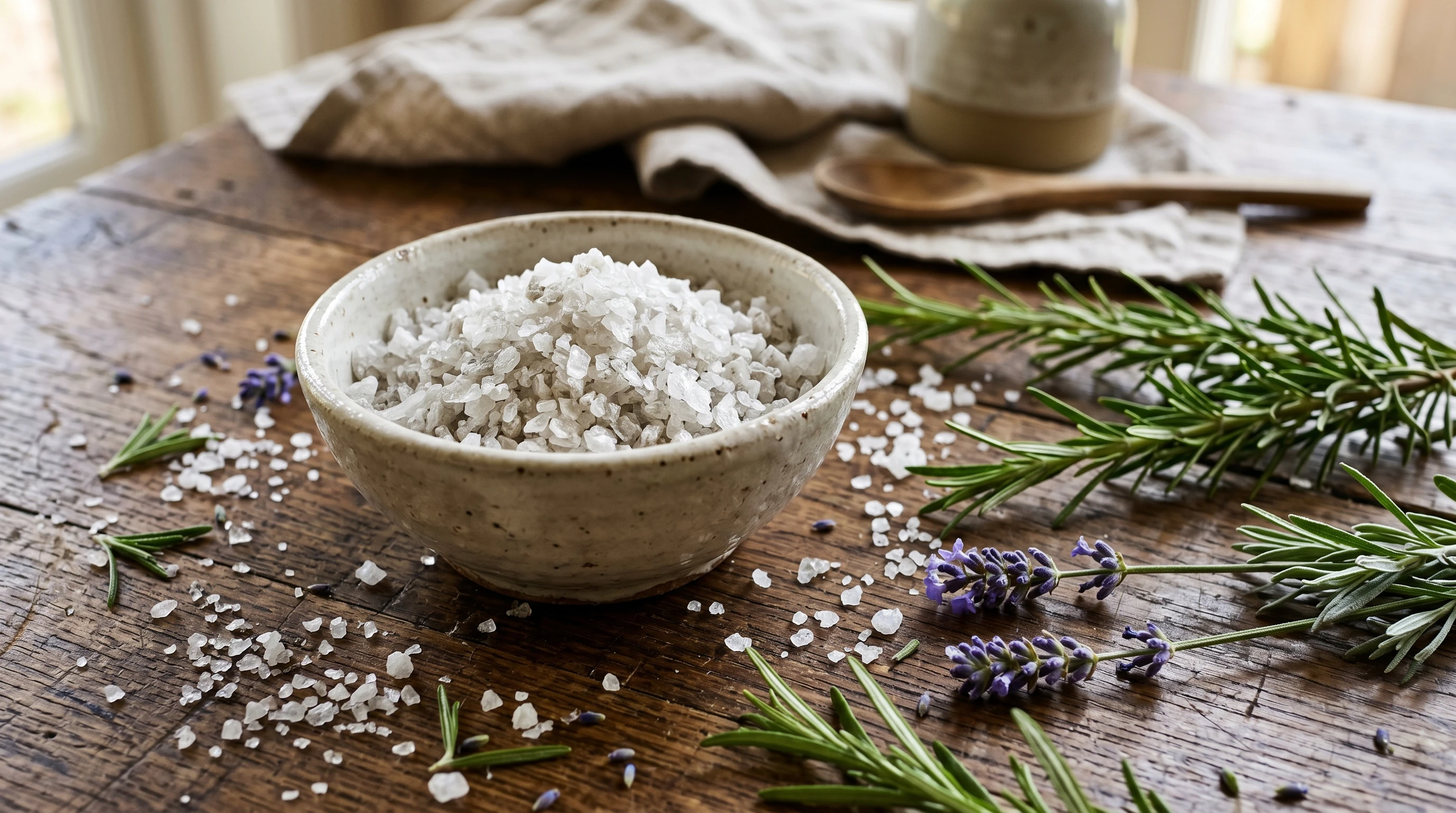
The first thing that really pops about sea salt is how it’s made. Unlike regular table salt, which comes up from underground mines and usually gets heavily refined, sea salt is made by letting seawater evaporate. That leaves more of those trace minerals behind. These bits and pieces include magnesium, calcium, potassium, and even iron, so you’re getting a richer variety than just sodium chloride with each pinch.
The texture and flavor of sea salt also set it apart, which is why so many chefs reach for it in the kitchen. But beyond food, those minerals are a big part of why sea salt shines in bath soaks and other natural wellness rituals. According to the National Institutes of Health (NIH), those minerals can provide benefits that refined table salt usually doesn’t bring to the table.
Popular Therapeutic Uses for Sea Salt
Sea salt’s best-known uses reach way beyond the salt shaker. From what I’ve tried and seen, here are a few truly versatile ways folks get the most out of what sea salt has to offer in the world of well-being:
- Bath Soaks: Adding a heaping scoop of sea salt to your warm bath brings a relaxing soak that’s believed to help ease muscles and soften skin. Many people also find it cranks up their post-workout recovery or helps melt away stress after a demanding day.
- Salt Scrubs: Mix it up with a splash of olive or coconut oil, and sea salt becomes a simple body scrub. This homemade combo scrubs away dead skin cells, leaving everything feeling fresh and smooth.
- Nasal Rinses: Some people use a diluted sea salt rinse for nasal cleansing, particularly during allergy season. It’s a go-to for clearing out sinuses naturally—though it’s always best to ask your doctor before starting something like this.
- Mouth Rinses: A mild sea salt rinse can help freshen your breath temporarily and calm gum irritation if used gently.
- Foot Soaks: After a day on your feet, soaking in sea salt water is wonderfully soothing and may help take down swelling for some people.
There are some creative wellness hacks worth mentioning as well. For example, a salt pillow—no hyphen needed—filled with sea salt and herbs, can help you relax when warmed up and placed behind your neck.
Getting Started With Sea Salt in Your Routine
Folding sea salt into your wellness routine doesn’t demand a total overhaul or big spending on specialty items. Here’s my simple guide, based on first-hand trial and common advice:
- Pick HighQuality Sea Salt: Choose unrefined, additivefree sea salt. It keeps those extra minerals to give your routine more punch.
- Start Small: Try a little at first—whether in your bath or as a scrub—to see how your skin reacts. Everyone’s comfort level is unique.
- Stay Hydrated: When using salt on your skin, drink plenty of water, since salt can pull moisture away if used often or in big amounts.
- Customize Your Experience: Add favorite essential oils or dried herbs to your salt recipe for extra relaxation or skin-soothing aromatics.
The cool thing is, you control how much and how often you use it. Sea salt treatments can fit into the smallest window of selfcare or stretch into a whole evening of wind-down time, totally tailored to your day.
What to Watch Out For
Salt-based wellness is pretty straightforward. Still, like with any natural remedy, there are a few points to keep in mind:
- Skin Sensitivity: Too much scrubbing with salt can make sensitive skin feel sore. Once or twice a week is usually enough. If your skin starts getting angry, cut back or try a finer version.
- Sodium Intake: Cooking with sea salt still means you’re adding sodium. If you’ve got high blood pressure or dietary limits, keep track of your total sodium, since the extras in sea salt don’t wipe out the classic health concerns.
- Allergies: Some fancy salts include extra fragrances or oils. Double-check labels if you’re sensitive to certain ingredients or scents.
Bath Soak Guidelines
For a sea salt bath, I stick with 1/2 to 1 cup of salt per full tub of warm water. Most people spend around 20 minutes soaking. If you’re new, start shorter and see how your skin feels; hot water and salt can cause mild redness in some folks.
Scrub Safety
A gentle touch is key. Rubbing too firmly can cause little skin tears, which is why I keep my scrub routine mellow. If you spot irritation afterward, give your skin some downtime and switch to a finer salt type next round.
Creative Wellness Ideas With Sea Salt
The list of ways to use sea salt for wellness keeps getting longer. Here are some fun and helpful ideas to mix into your routine:
- Aromatherapy Bath Soak: Stir together fine sea salt and lavender or eucalyptus essential oil for an after-hours soak that helps you wind down.
- DIY Salt Potpourri: Combine sea salt, a scattering of petals, and your go-to essential oil for a fresh-smelling, natural air freshener anywhere in the house.
- Herbal Foot Bath: Sink your feet in sea salt water with chamomile or mint after lots of walking or standing for a boost of comfort.
- Natural Scalp Exfoliation: Add a bit of coconut oil to sea salt and gently massage your scalp before shampooing to remove any buildup. Always rinse well, especially on sensitive skin.
And here’s one I like to add: a sea salt and honey facial. Blend fine sea salt with a little honey for a soft, moisturizing scrub for your face. Just be kind to your skin—no need to scrub hard.
Frequently Asked Questions
Here are a few questions I get pretty often:
Question: Can I swap Himalayan or Epsom salt for sea salt in wellness routines?
Answer: Himalayan and Epsom salts are both solid options, and they come with their unique mineral content. Epsom salts are high in magnesium sulfate and don’t have sodium, while Himalayan salt features a pink hue and different trace minerals. Pick what works for your needs; switching between them is totally fine.
Question: Is sea salt safe for everyone?
Answer: For most people, sea salt in baths or scrubs is safe as long as you don’t overdo it or use it on open wounds. If you have skin conditions, blood pressure issues, or kidney concerns, just check with your healthcare provider before getting started.
Question: Does sea salt really help with relaxation?
Answer: Warm baths are proven to help people unwind and might ease up sore muscles. When you combine the minerals, a comforting water temperature, and a quiet vibe, the benefits can stack up. Even a short moment of self-care can give your mood a lift and encourage better sleep.
Everyday Wellness With Sea Salt
Sea salt is a simple and flexible way to bring some spa-inspired calm and natural care into your day-to-day. From soothing soaks and skin-freshening scrubs to clearbreathing rinses and tastier mealtime moments, there’s almost always a place for sea salt in your routine. Moderation is important, and a little curiosity can go a long way. If you haven’t worked sea salt into your self-care habits yet, it’s worth trying out. There’s a reason it remains a staple in both kitchens and bathrooms—not just for the flavor, but for the mini wellness escape it offers anytime you need it.