Nutrition is one of those topics that everyone has heard about, but not everyone sees how it fits into the bigger picture of holistic wellness. I’ve found that building a solid foundation with good nutrition can impact everything from energy to emotional balance and even how well the body handles stress. So, if you’re curious about how healthy eating supports a more wellrounded approach to feeling good in mind, body, and spirit, you’re in the right place.
Understanding Holistic Wellness and the Role of Nutrition
Holistic wellness just means looking at health as a whole. It’s not just about whether you have a cold or if your jeans fit, but how you feel mentally, emotionally, and physically all together. Nutrition plays a pretty central part in this mix. When I started paying attention to my eating habits, I noticed changes not just in my energy level, but also in my mood, how well I slept, and even how I handled everyday stress.
The reason for this is pretty simple: food does way more than just fill you up. Every cell in the body is built from what you eat, so the nutrients from balanced meals keep every system running smoothly. Holistic health approaches, from integrative medicine to yoga retreats, all mention nutrition for exactly this reason. So, nutrition is a major piece in the puzzle of wholebody wellness.
The Basics: Building Blocks of a NutrientRich Diet
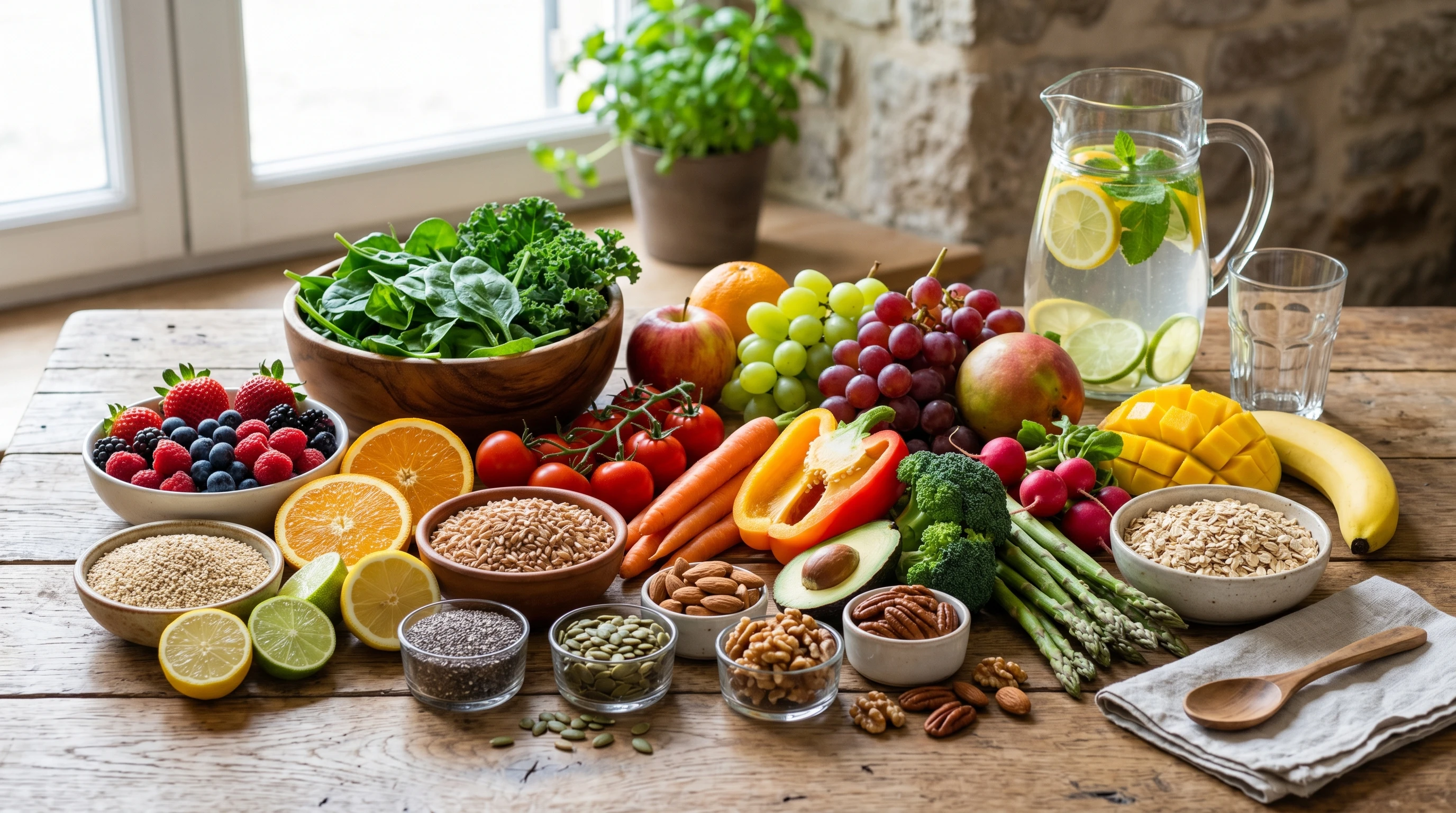
Eating for holistic health isn’t about totally cutting out foods you love or jumping on every trendy diet wagon. Instead, it’s all about bringing in a colorful mix of foods that offer a range of nutrients. When building meals for better wellness, these are some key things I always focus on:
- Fruits and Vegetables: These are loaded with vitamins, minerals, antioxidants, and fiber. I try to fill at least half my plate with vegetables and fruit for every meal.
- Whole Grains: Options like quinoa, brown rice, oats, and barley have more nutrients and fiber than processed grains. They help to regulate energy and keep digestion smooth.
- Lean Proteins: Fish, chicken, tofu, beans, and lentils all provide protein for repairing muscle and supporting immune health.
- Healthy Fats: Sources like nuts, seeds, avocados, and olive oil help keep skin, hair, and hormones in balance.
- Hydration: Water isn’t technically a food, but staying hydrated keeps everything from your digestion to brain function running properly.
Even small changes, like swapping white rice for brown, or adding a handful of spinach to your eggs, can build up to real changes in how you feel.
How Nutrition Strengthens the MindBody Connection
One of the coolest things I’ve noticed about nutrition is how closely it’s tied to mental wellness. Ever noticed how your focus slumps after a super heavy meal, or how irritable you get when you haven’t eaten in hours? That’s the mindbody link at work.
Nutrients like Omega3 fatty acids (found in salmon, walnuts, and chia seeds) support brain health and can actually improve mood. B vitamins, think leafy greens, eggs, and whole grains, help your nervous system fire correctly. Even gutfriendly foods like yogurt and kimchi seem to have benefits for mental wellbeing, since the gut and brain send signals back and forth all day long through what some researchers call the “gutbrain axis.” There’s growing research showing that good gut health is connected to reduced feelings of anxiety and better emotional balance (Harvard Health: Nutritional Psychiatry).
Practical Nutrition Tips for a Holistic Lifestyle
Healthy eating doesn’t have to mean spending hours meal prepping or blowing your budget at the health food store. Simple, realistic changes are actually easier to stick to and offer better results in the long run. Here are some approaches that have worked for me when building a nutrition plan for holistic health:
- Start with Small Changes: Swapping out sugary drinks for water or switching processed snacks for nuts or fruit doesn’t feel overwhelming but makes a big difference over time.
- Eat Mindfully: Paying attention while you eat helps you enjoy your food more and prevents overeating. I like to put away my phone and actually notice flavors and textures; it’s pretty wild how much more satisfying meals feel.
- Balance Your Plate: A balanced meal usually has protein, a healthy fat, fiber from veggies or grains, and some fruit. This combo keeps energy even and cravings in check.
- Limit Processed Foods: Prepackaged snacks, sugary cereals, and fast food usually pack lots of salt, sugar, or unhealthy fats. I keep these as “onceinalwhile” treats instead of goto foods.
- Be Flexible: Strict food rules are tough to follow and don’t really fit with a holistic mindset. Being flexible means you can enjoy a slice of cake at a birthday party without guilt, then get back to your usual eating habits the next day.
Challenges You Might Run Into and How to Handle Them
Making nutrition changes sounds easy, but in reality, life throws up all kinds of hurdles. Here are a few of the most common obstacles, and some workarounds that I’ve found actually help:
- Time Crunches: Meal prepping on Sundays or even just chopping veggies ahead of time cuts down on stress during the week.
- Cravings and Social Pressures: I’m all about planning ahead; packing a healthy snack for work or choosing the healthiest option at a restaurant means I still stay on track without feeling left out.
- Confusing Nutrition Info: There are a ton of mixed messages out there. I stick to advice from trusted sources like the CDC or Nutrition.gov when I’m unsure.
- Budget Concerns: Buying frozen veggies and grains in bulk actually saves money, and these foods are still packed with nutrients.
TimeSaving Strategies for Busy Schedules
Freezerfriendly meals, slow cooker recipes, and quick salads are my go-tos when life gets hectic. Having staple ingredients like oats, frozen veggies, eggs, and beans on hand saves lots of stress on busy nights.
Staying Motivated When Progress Feels Slow
It’s easy to get discouraged if you don’t see results right away, but tracking little wins, like having more energy or sleeping better, helps keep motivation up. I also like setting small, specific goals, such as including a vegetable in every meal for a week, instead of aiming for a whole diet overhaul overnight.
Expanding Holistic Wellness Beyond Nutrition
Nutrition works handinhand with other wellness pillars, like movement, sleep, and stress management. Adding regular exercise (even short walks), prioritizing sleep, and learning a few breathing techniques can boost the benefits of good nutrition. Wellness is about the collective effect of all these small habits, not achieving perfection in any one area.
- Movement: Physical activity improves metabolism and strengthens bones and muscles.
- Rest and Recovery: Quality sleep allows your body to heal and recharge from the inside out.
- Stress Management: Practices like deep breathing or yoga help keep hormones in balance, and good nutrition supports this by reducing inflammation and boosting resilience.
Frequently Asked Questions
I hear these questions all the time, so here are my thoughts to help you feel a bit more confident as you move towards holistic health:
Question: How can I start eating better when my family preferences are different?
Answer: I find that introducing one new meal or snack at a time lets everyone adjust slowly. Making small swaps, like adding veggies to dishes you already love, can make healthy eating more acceptable to everyone.
Question: Are supplements needed for holistic wellness?
Answer: Most nutrients should come from food. But sometimes, things like vitamin D or B12 are recommended if you have specific health concerns or dietary restrictions. It’s always smart to check with a healthcare provider.
Question: I have food allergies or restrictions. How can I still eat holistically?
Answer: There are always alternatives, like glutenfree grains, dairyfree milk, or plantbased proteins. Reading labels and trying new recipes can keep your diet varied and interesting.
Nutrition and Holistic Wellness: The Takeaway
Building a holistic approach to wellness means taking small, steady steps to support every aspect of being healthy, and nutrition is a really important piece of that adventure. Focusing on real foods, balanced meals, and a flexible attitude can help you feel better from the inside out. Every healthy meal is another way to give your mind and body what they need to thrive, and honestly, that’s a win all around.
If you’re interested in tracking your own nutrition journey, consider keeping a simple food and mood diary. Write down what you eat and how you feel in the hours after. Notice patterns—perhaps you have more energy after a breakfast full of whole grains and fruit, or you feel sluggish when you skip lunch. This newfound awareness can help you make adjustments and check out which foods give you the best boost in your daily life.
Remember, no one has a perfect diet! Even nutrition experts treat themselves now and then. The goal is to find balance, flexibility, and habits that make you feel your best. If you slip up, let it go and just keep moving forward. Your holistic wellness adventure is personal and ever evolving, and every new step counts.