
Exploring national parks can be one of the most rewarding ways to get outdoors, take in eye-catching views, and disconnect from daily routines. If you’re in the planning stage or just daydreaming about your next big nature adventure, knowing what to expect and how to prepare really helps. I’ve gathered some details and personal experiences to make your national park trip smooth, fun, and memorable.
Why National Parks Matter and How They Got Started
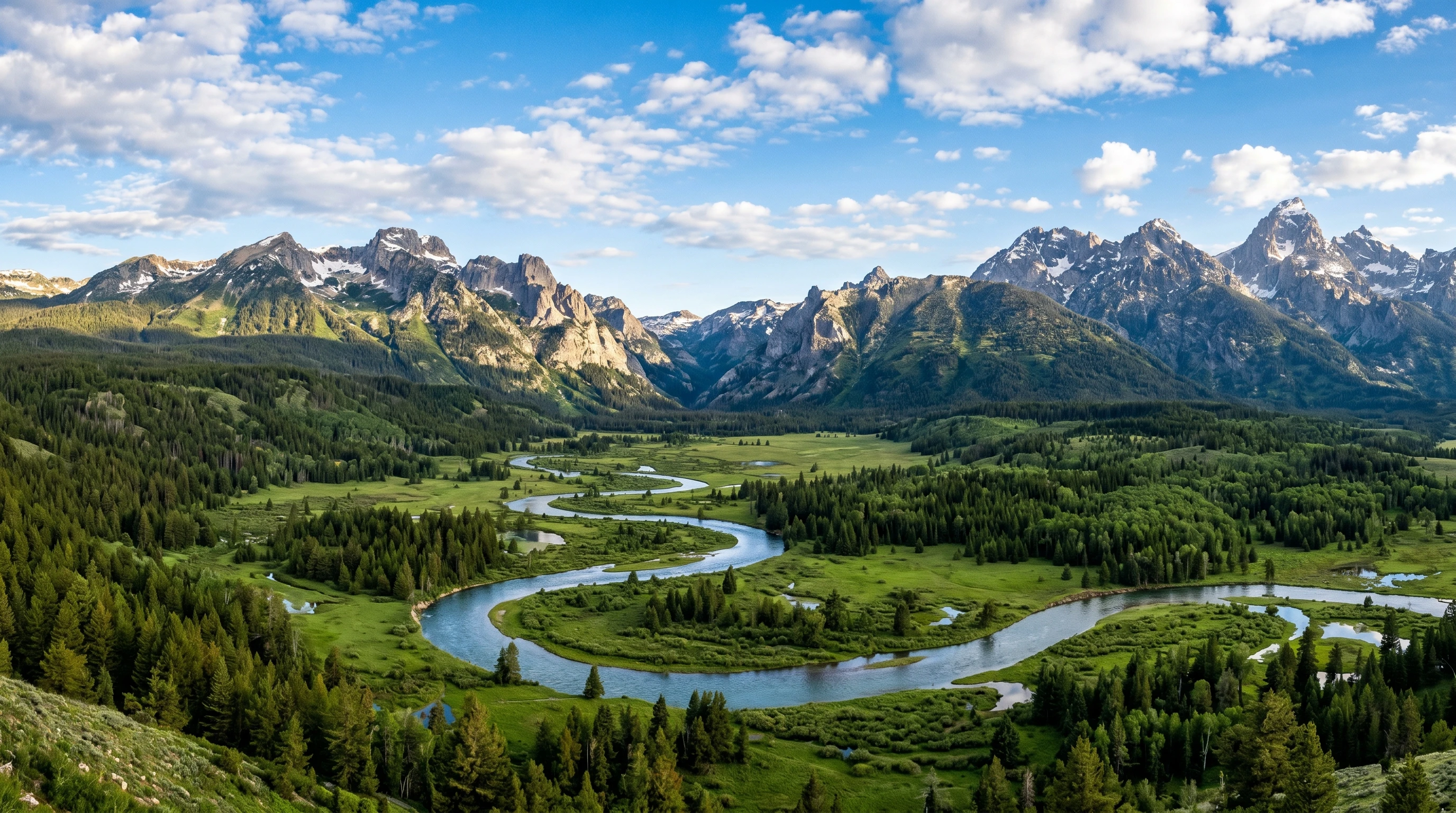
National parks hold a special place in many people’s hearts, and for good reason. They protect gorgeous landscapes, give wildlife a safe home, and help teach visitors about natural heritage. There are more than 400 areas managed by the U.S. National Park Service alone, ranging from huge parks like Yellowstone to smaller historic sites.
The idea for national parks began in the late 1800s, when some leaders realized that places like Yosemite and Yellowstone were too special to leave to chance. These landscapes needed to be protected so future generations could enjoy them. These founding parks paved the way for conservation efforts all over the world. Today, people visit national parks not just in the U.S. but across the globe to hike, camp, and reconnect with nature in places kept as wild as possible.
First Steps: Essential Planning for Your Park Adventure
Making the most out of a national park trip always starts with thoughtful planning. Each park is unique, so a little research pays off in a big way. I always begin by checking the official park website, where you’ll get up-to-date info on weather conditions, visitor center hours, and any alerts about closures or special rules.
These websites also usually have trail maps, lists of popular attractions, and safety guidelines. Reading trip reports or watching recent travel videos gives me a real sense of what to expect. Here are some extra planning tips I’ve found super helpful:
- Permits and Reservations: Many parks now require reservations for entry, especially during peak seasons. Campsites, guided tours, and certain trails may need advance bookings. Booking early means fewer surprises.
- Time of Year: Seasons affect everything from trail access to wildlife activity. Wildflowers, fall colors, or prime wildlife spotting each have their own windows, so check the best times for what you want to see.
- Weather Prep: Conditions can change fast in the mountains or deserts. Layered clothing, rain gear, and a weather app are always on my packing list.
Another tip is to check visitor forums, where fellow travelers share hidden gems, recent experiences, and answers to questions you may not find on the official websites. Rangers are also fantastic resources—don’t hesitate to ask them for trail advice or safety tips at the visitor center.
Gearing Up: Must-Have Items for National Park Trips
The right gear makes a huge difference in comfort and safety while exploring national parks. Over time, I’ve worked out a handful of basics that always come with me:
- Sturdy Footwear: Trails can get rocky, muddy, or steep. Hiking boots or trail shoes with good grip save my feet from blisters and slips.
- Backpack: Even short walks are better with a pack for water, snacks, a map, and a basic first aid kit. For longer hikes, I throw in a light jacket and bug spray.
- Navigation Tools: While phone apps are handy, many parks have no cell signal. I always pack a paper map or download offline maps. Park rangers at the visitor center can mark routes or current hazards.
- Water and Snacks: Hydration is super important, as is staying fueled on the trail. I carry a reusable water bottle or hydration bladder, plus portable snacks like nuts, jerky, or granola bars.
It’s also smart to bring sunscreen, sunglasses, and a hat for sun protection, especially in desert or high-elevation parks. Having these essentials at the ready means I can focus on soaking in the scenery rather than worrying about being unprepared.
Quick Tips for Park Safety and Etiquette
Staying safe in a national park comes down to a few common sense habits that help keep both visitors and wildlife unharmed. Here are my go-to tips for keeping things smooth, and making sure everyone else enjoys their visit too:
- Stick to Marked Trails: Leaving the path can hurt fragile plants and increases the risk of getting lost.
- Respect Wildlife: Always observe animals from a distance. Feeding or chasing them puts everyone at risk.
- Practice Leave No Trace: Pack out all trash (including fruit peels and tiny wrappers), leave rocks and plants as you found them, and use designated restrooms when available.
- Know Your Limits: Trails might look easy but can be more challenging than they seem. Checking difficulty ratings and being honest about your fitness helps prevent accidents.
- Check Fire Rules: Many parks have strict campfire guidelines, especially during dry periods. Always find out what’s allowed before lighting a fire.
Most parks include safety guidelines in park maps or handouts from the visitor center. I always take a moment to read these, especially if I’m visiting a new place.
Things Worth Considering Before You Visit
Every park comes with its quirks and challenges. Based on my trips, these are the main things to keep in mind when getting ready for your adventure:
- Crowds: National parks can get busy, especially during holidays and weekends. Heading out early or picking less popular trails helps avoid the crowds.
- Altitude: Some parks, like Rocky Mountain or Yosemite, sit at high elevations. Drinking more water and taking it slow helps adjust to the altitude.
- Accessibility: Most major parks provide paved paths, ramps, or shuttle services to open key areas to everyone. Checking park resources ahead of time helps plan the best visit for all guests.
- Park Fees: Entrance passes and parking fees support park maintenance. Most parks offer annual passes, discounts for seniors, or free days throughout the year.
Being mindful of these factors gives your trip a boost and helps you maximize your experience in nature. Bringing along friends or family members of varying abilities? Many parks list accessible trails and amenities on their websites.
Crowd Management
Popular parks like Grand Canyon or Zion can get packed. I’ve found that visiting during the shoulder season or on weekdays leads to a better, more relaxed experience. Some parks require advance reservations to manage visitor numbers, so be sure to check that in your planning phase. Exploring early in the morning or later in the evening means fewer people and often spectacular light for photos.
Understanding Park Rules and Conservation Efforts
Each park is unique, so checking posted rules is always useful. Rules about drones, pets, and offroad travel vary between parks. Conservation efforts rely on visitors following these guidelines. The small choices—like staying on the trail or not picking flowers—really matter over time and help keep the parks healthy.
Stepping Up Your National Park Game
After you’ve had a few park adventures, you’ll find there’s even more to explore. Here’s how I like to get the most from each visit:
Ranger-Led Programs: Many parks offer free hikes, talks, or kids’ activities. These programs often help me spot cool things I would have missed, like lesser-known history tidbits or hidden wildlife.
Photography: National parks are a photographer’s dream. Early mornings, golden hour, or late afternoon usually mean softer light and quieter trails. Even a smartphone can snap incredible shots in these places.
Try Backpacking or Multiday Hikes: If you’re comfortable with day adventures, an overnight trip opens the door to more remote areas of the park. Start with an easy one-night trek before trying something longer.
Wildlife Watching: Bring a pair of binoculars for bird spotting and keep a small notebook for jotting down memorable animal sightings. Quiet observation reveals the magic of parks—sometimes in the smallest critters.
Jumping into these activities moves your experience from casual sightseeing to building a real connection with the park’s landscape and stories.
National Parks FAQs
Below are responses to a few questions I hear most often from first-timers or those mapping out their big park adventure:
What’s the best way to pick a national park to visit?
It comes down to what you hope to see—mountains, red rocks, forests, or beaches. Think about how far you’re able to travel, which activities you want, and if you prefer quieter or busier spots. The National Park Service and park-specific sites help track down your options.
How can I avoid crowds in national parks?
Visiting in spring or fall, starting early, or picking less-visited parks or trails are effective strategies. I’ve enjoyed some near-empty views by simply starting before sunrise.
Are pets allowed in national parks?
Parks have different rules about pets. Most allow leashed pets in developed areas or paved zones, but not everywhere. Check the rules on the specific park’s website and plan for your pet’s needs and comfort.
Do I need a permit for hiking or camping?
Some busy hikes (such as Half Dome in Yosemite) or backcountry camping need permits, especially during summer. Visit the official park website early and apply ahead for anything in high demand.
Wrapping Up Your Park Trip Plans
Heading out to national parks gives you a chance to track down beautiful places and appreciate the natural world in a hands-on way. With a little prep and the right expectations, every visit becomes an exciting adventure full of surprises. Whether you’re into hiking, camping, wildlife watching, or just relaxing by a scenic picnic area, national parks offer something for everyone. Safe travels and happy exploring!