Vitamin K hasn’t always been in the health spotlight, but it’s started to get more attention recently, especially for its impact on the heart and bones. Most people think about vitamins like C or D for immune health and strong bones, but vitamin K is really important if you care about long-term heart health and keeping your skeleton sturdy as you age. I’ve spent some time researching the science and practical benefits, and in this article, I’ll map out why vitamin K deserves a place on your wellness radar.
What Is Vitamin K?
Vitamin K is a fat-soluble vitamin that the body uses mostly for blood clotting, but its job goes well beyond that. There are two main types: vitamin K1 (phylloquinone), found mostly in leafy green veggies, and vitamin K2 (menaquinone), found in fermented foods and certain animal products. Both play an important part in various body processes, but they show up in slightly different foods and behave a bit differently once inside.
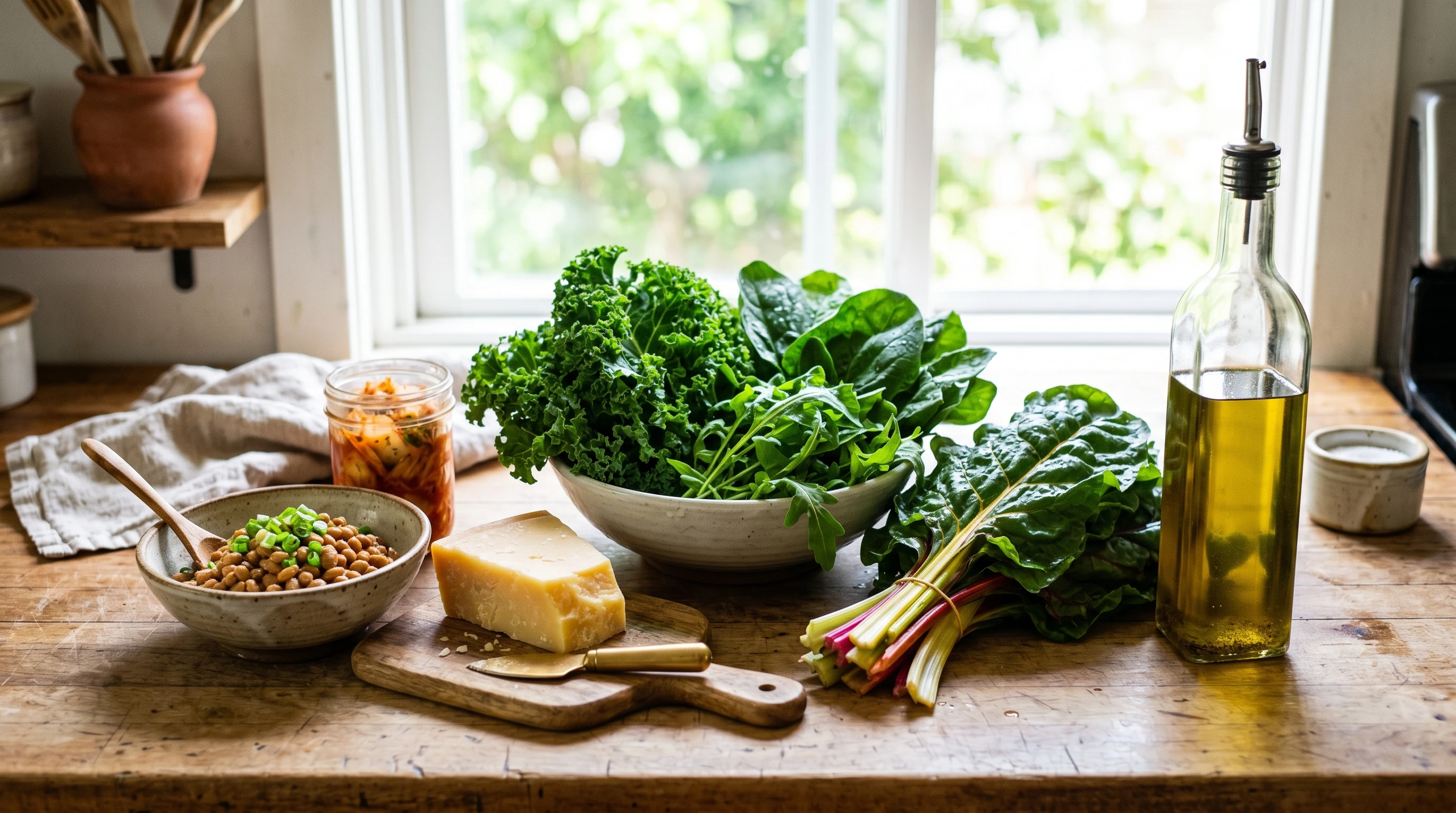
K1 is present in foods like spinach, kale, and broccoli. K2 pops up in foods such as natto (a fermented soybean dish from Japan), some cheeses, and meats. Your gut bacteria also make a bit of vitamin K2, but what you eat still matters most.
The differences between K1 and K2 matter for your health. K1 is easy to get if you eat veggies regularly, while K2 can be trickier, especially if fermented foods are not your thing. Both forms are valuable, and they help the body in unique ways, from supporting blood clotting to helping keep your arteries healthier as you age.
How Vitamin K Supports Heart Health
The heart benefits of vitamin K tend to fly under the radar, but they play a significant role as you get older. It all starts with how vitamin K helps control calcium in your body. Here’s a look at what’s happening:
- Keeps calcium out of arteries: Vitamin K activates a protein called matrix Gla-protein (MGP). MGP works within your arteries and stops calcium from hardening inside blood vessel walls, a process called vascular calcification. Hard, calcified arteries can cause blood pressure to rise and make heart disease more likely.
- Reduces inflammation: Some studies show people with higher vitamin K levels tend to have less inflammation in the blood. Less inflammation reduces the chance of developing plaque in arteries, which is always good for the heart.
- Helps with cholesterol balance: There’s emerging research linking vitamin K2 to better control of blood fats, although this area still needs more study.
People who eat more vitamin K2 often have better-looking arteries, according to several long-term studies. For example, a Dutch study published in the journal Atherosclerosis found adults with higher intake of vitamin K2 had a lower risk of dying from heart disease over a decade. The reason is straightforward: K2 helps ensure calcium ends up in bones, not in arteries where it can cause harm.
Vitamin K and Strong Bones
Bone health is a hot topic, especially as you get older. Most people jump straight to calcium and vitamin D for support, but vitamin K plays a connecting role.
Here’s how it works:
- Activates osteocalcin: Vitamin K helps activate a protein called osteocalcin, which enables bone tissue to grab onto calcium and hold it in the structure of your skeleton. Think of osteocalcin as an extra set of hands. Without enough vitamin K, those hands don’t work as well, and bones can get weaker over time.
- Works with vitamin D: These nutrients work together. Vitamin D helps your body absorb calcium from food, and vitamin K helps lock that calcium into your bones. Skipping vitamin K is like pouring concrete without mixing it right. Things just don’t set properly.
Research shows that getting enough vitamin K, especially K2, can support higher bone mineral density and lower your risk of fractures as you age. It’s probably not the only thing you need for strong bones, but it’s a big piece of the puzzle.
How Much Vitamin K Do You Need?
For healthy adults, the general recommended dietary allowance (RDA) for vitamin K is about 120 micrograms per day for men and 90 micrograms per day for women. Most often, these numbers focus on vitamin K1. There isn’t an official daily value for K2, but experts agree it’s smart to include both forms routinely if you want the full benefits.
If you eat a standard Western diet, you’re probably getting enough K1 from veggies, but K2 can be less common, especially if you skip fermented foods or certain animal products. If you have trouble absorbing fat, such as with celiac disease or some gut conditions, you might need even more vitamin K for optimal health.
Children, pregnant women, and people recovering from illness might have different needs, so considering individual factors is important, and when in doubt, check with a healthcare professional. But most healthy adults can meet their vitamin K needs through a balanced diet with a mix of vegetables and occasional fermented foods.
Top Food Sources for Vitamin K
It’s always better to meet your vitamin needs with real food when possible. Here’s where you’ll find the most vitamin K:
- Leafy greens: Kale, spinach, Swiss chard, parsley, and broccoli are loaded with K1.
- Fermented foods: Natto is the best source of K2, but most aged cheeses have some as well.
- Animal products: Liver, egg yolks, beef, and chicken thighs contain some K2, though the amount varies.
- Plant oils: Certain oils, like soybean and canola oil, include decent amounts of K1.
Mixing up your diet to include some of these foods most days is an easy and natural way to keep your vitamin K levels up.
Things to Think About Before Changing Your Vitamin K Intake
Before stocking up on vitamin K-rich foods or supplements, it’s smart to consider a few important things:
- Blood thinners: If you take medication like warfarin (Coumadin), sudden changes in vitamin K can make your medicine less effective. Always talk with your doctor about any big diet changes.
- Balancing nutrients: Healthy bones and a happy heart need a team approach—plenty of vitamin D, calcium, magnesium, and regular movement all help, so don’t focus only on vitamin K.
- Supplements: Some people don’t get enough vitamin K2 from food. If you’re considering supplements, check with your healthcare provider first. Overdoing vitamin K from a food-only diet is rare, but large supplement doses could mess with certain medications or conditions.
- Natural vs. synthetic forms: K1 from plants is easy for most people to get. For K2, food-based supplements (MK-7 or MK-4) may help if your diet doesn’t cover it, but real food is always the foundation.
Heart Health and Vitamin K: What the Science Says
Several standout research studies link low vitamin K levels to increased risk of heart disease and arterial calcification. The Rotterdam Study from the Netherlands is a big one: it tracked thousands of people for years and found that those eating plenty of K2 had healthier arteries and lived longer, with less cardiovascular disease. The key takeaway is simple: adding more vitamin K2-rich foods to your meals supports flexible arteries and long-term heart wellness.
Bone Health and Vitamin K: Checking Out the Details
Many clinical trials have looked at vitamin K supplements and bone health, particularly for older adults and postmenopausal women. Research published in “Osteoporosis International” shows that people who eat more vitamin K foods or take supplements have less bone loss as they age. The improvements are even greater when paired with calcium and vitamin D, so these nutrients really do work best together.
New research keeps popping up about vitamin K’s role in steadying bone loss in people with osteoporosis or those considered high risk for fractures. A team approach using vitamin K, D, calcium, and weight-bearing activity gives your skeleton the best shot for lasting strength as you age.
Frequently Asked Questions About Vitamin K
Clearing up some quick questions people have about bumping up their vitamin K:
Question: Can you get too much vitamin K?
Answer: For healthy people, getting too much vitamin K from food is generally not a concern. Most excess is used up or naturally removed by your body. High-dose vitamin K supplements aren’t needed for most unless your doctor recommends them.
Question: What if I already eat a lot of green veggies, do I need K2 too?
Answer: Green veggies are an awesome source of K1. Adding some K2 from fermented foods or occasionally from animal sources can give your heart and bones that extra boost. It’s about mixing in variety rather than focusing on just one form.
Question: Who is most at risk for vitamin K deficiency?
Answer: People with gut or liver problems, those on long-term antibiotics, or anyone eating an extremely limited or highly processed diet might fall short. Newborn babies are also given a vitamin K shot because their bodies can’t make enough right away.
Bringing It All Together: Making the Most of Vitamin K
Vitamin K is a key player for staying healthy, especially when it comes to your heart and bones. Filling up on leafy greens is a tasty way to lock in K1, and mixing in the occasional fermented food or K2-rich cheese helps round out your intake. Consistent, balanced intake helps your body move calcium where it belongs and keep your heart and skeleton working their best. If you have special health needs or take heart medications, looping in your healthcare provider is always a smart move. There’s more to vitamin K than just its reputation for blood clotting—give it a little extra nutrition spotlight and you might notice the payoffs in the long run. Eating a balanced diet and keeping an eye on key vitamins is one of the simplest ways to support your health year after year.