Kettlebell training is more than just quick HIIT sessions or those next-level cool Instagram videos. If you’re interested in stronger muscles, better endurance, and adding some freshness to your fitness regimen, kettlebells are up for the challenge. Working beyond classic swings and goblet squats can help you build real muscle while powering up your stamina. Here’s how I keep my kettlebell training progressing to make sure I keep seeing results—and to keep things interesting and sustainable for the long run.
Why Kettlebell Progression Matters For Building Muscle And Endurance
Kettlebells might look basic, but there’s a reason so many athletes stand behind them. Unlike typical dumbbells, kettlebells create unique challenges. The shape messes with your center of gravity, which forces more muscles to work together—especially your core, grip, and stabilizers. This is really important when you’re chasing more strength or lasting longer during your workouts.
If you keep doing the same weight and routine, your progress slows down. When you’re after muscle growth and real improvements in endurance, small but steady increases matter—more reps, more sets, new exercises, or heavier kettlebells. A little added challenge each week brings big changes over time.
What You Should Know Before Progressing Kettlebell Training
Before you get into heavier weights or more complex moves, you want to know you’ve built a solid foundation and mastered the basics. Good movement patterns and solid form help you avoid injuries that could set you back.
Look for these signs that you’re ready to step it up:
- No pain or discomfort with your current kettlebell exercises.
- You’re finishing sets with a couple of reps left in the tank (leaving 2-3 ‘reps in reserve’).
- Your grip is strong and your form doesn’t break down—even at the end of your session.
If you can tick off these boxes, you’re set to ramp up your training in a way that keeps you safe and strong.
Ways To Progress Kettlebell Training For Muscle Growth
Muscle-building with kettlebells isn’t about tracking down the flashiest moves online. It’s about steady, smart increases in your training challenge. Here’s how I approach muscle-building progress:
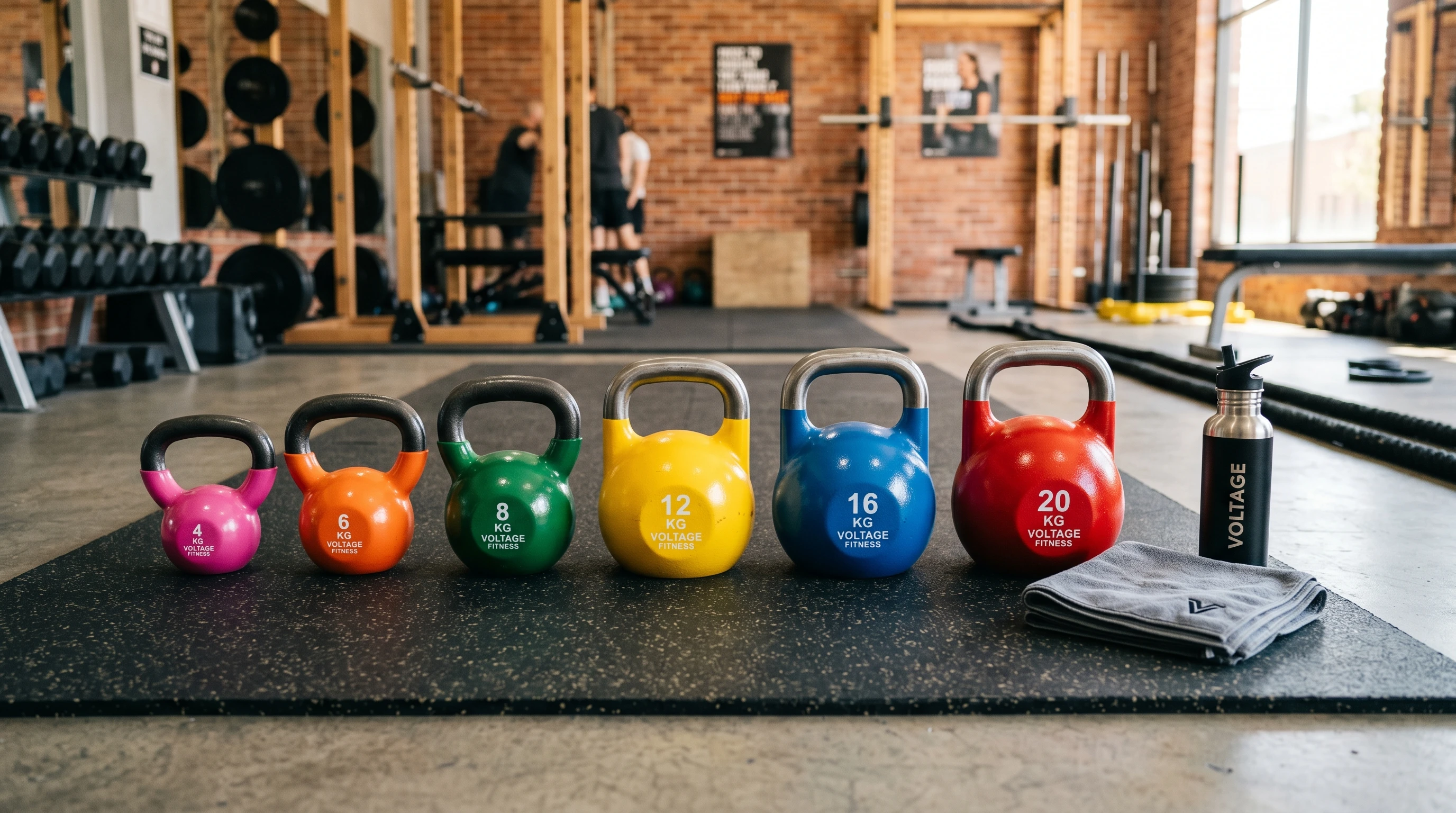
- Increase Load: Level up to a heavier kettlebell when your current sets are getting easy. Even a bump of just 2-4kg can be a game changer.
- Add More Sets or Reps: Adding an extra rep or set at the same weight does wonders—it’s extra work without shopping for a new kettlebell.
- Try New Exercise Variations: Go for kettlebell front squats instead of goblet squats or hit some singlearm presses to make things trickier.
- Slow Down Your Reps: Tempo training—slower reps both up and down—makes muscles work longer and harder. This adds up over time.
- Shorten Rest Time: Shaving a little off your rest (say, from 90 to 60 seconds) ramps up the challenge and encourages strength gains.
I find that making a small tweak each week helps more than making big, sudden jumps. This is key for steady progress and sticking to your routine no matter what.
Building Serious Endurance With Kettlebell Workouts
Most gym-goers think cardio means running or biking, but kettlebells can push your endurance in fresh ways. You’re moving weight for longer, hitting lots of muscle groups, and pushing your heart, lungs, and grip all at once. Real-world stamina benefits in a big way.
To crank up my endurance, I use a few classic kettlebell methods:
- Long Complexes: String 3–6 exercises together (for example: clean, squat, press, row, swing), with 6–10 reps per move done back-to-back—never putting the bell down. It’s tough but crazy effective for building both muscle and overall conditioning.
- Timed Sets: Skip rep counting now and then. Set a timer for two minutes and go steady with swings or cleans. Over time, try to last longer or go heavier.
- EMOM (Every Minute On the Minute): Do a set number of reps at the start of each minute for 10-20 minutes. The quicker you work, the more rest you earn.
- Shorter Rest, Higher Volume: Work sets like 30 seconds on, 15 seconds off. This ramps up endurance and mental toughness fast.
How To Progress When You Only Have One Kettlebell
If you only have one kettlebell at home or in your gym bag, don’t worry. You can still add new challenges. Here’s what has worked for me (and my clients):
- Unilateral Training: Work one side at a time with singlearm moves. Your core and stabilizers will light up.
- Tempo Changes: Add a pause at the bottom or slow down your press. Same weight, more muscle-building time under tension.
- Cluster Sets: Split one big set into several mini-sets with short 10-second breaks. Four sets of five with pauses burns more than 20 straight reps.
- Add Partial Reps: Toss in a few half-range pulses at the end of sets for that extra burn.
Common Hurdles And How To Handle Them
Everyone bumps into training roadblocks as things ramp up. Here are the ones I hear about (and feel) most—and how to smooth your way through them:
- Grip Fatigue: Tough on your hands! Chalk up, lighten the load now and then, and give your hands love with a pumice stone.
- Lower Back Issues: When form slips, your back feels it. Drill your hip hinge, keep your chest up, and brace those abs. Film yourself for form checks if you’re unsure, or ask a coach for feedback.
- Plateau: Stuck? Toss in a different exercise, try ladder sets where you add and subtract reps, or change up rest times to get things moving again.
- Lack of Motivation: Burnout is normal. Try group workouts, online challenges, or chase new targets (Turkish get-ups, more reps in a given time).
Cool Kettlebell Exercises To Add To Your Routine
Switching things up is key—not only does it keep things fun, but it also brings better results. Here are a few kettlebell moves I love when it’s time to spice up training and keep growth coming:
- Kettlebell Clean and Press: Builds shoulders, core, and grip at once.
- Kettlebell Snatch: Fast, powerful, and excellent for both muscle and conditioning.
- Kettlebell Front Squat: Hits legs and core—while demanding perfect posture.
- Kettlebell Bent Over Row: Powers up your upper back and pulling strength.
- Kettlebell Farmer’s Carry: The ultimate for grip and all-over stamina. Pick up a bell in each hand and just walk for a set time or distance.
Dropping in new moves often keeps things exciting and sidesteps mental burnout, which matters more than most people realize.
Frequently Asked Questions
Below are questions I often get about boosting kettlebell progress:
How often should I bump up my kettlebell weight?
When you can knock out all your sets and reps with form in check—and you’re not totally spent—move up. For most folks, every 2 to 4 weeks is a realistic target.
What’s a good starting weight?
For beginners, go for a kettlebell you can strict press overhead for 8–12 reps with effort but not exhaustion. Usually that’s 8–16kg (18–35lbs) for most people.
Can I really build muscle using just kettlebells?
Absolutely. Progressive overload with solid programming works wonders. Focus on big compound moves, increasing reps, sets, or the load—and muscle will follow.
How do I avoid injury with kettlebell training?
Lock in good form from the start, listen to your body, and watch instructional videos to learn technique. Always warm up dynamically before each session.
Simple Tips For Staying Motivated Long-Term
Staying stoked about your training makes all the difference. Here’s what helps me keep at it:
- Set mini-goals, not just big milestones. Nailing a new rep count or conquering a heavier bell gives you wins to build on.
- Keep a training journal. Jotting down numbers and how you felt gives you clues and motivation to go above and beyond your last session.
- Mix up your routine. Try new moves or switch up exercise order. Variety crushes monotony.
- Train with others or in a community. A bit of friendly competition and accountability works wonders.
Ongoing progress is all about listening to your body, challenging yourself a bit more week by week, and never hesitating to switch things around when workouts start to feel stale. Stick with it, stay curious, and watch how much stronger—and more resilient—you can get over time.