
Mace training has grown fast in recent years, thanks to its unique blend of strength, mobility, and injury prevention benefits. What started as a warrior training tool, the steel mace is now showing up in gyms and rehab clinics, offering a versatile approach to movement and recovery. If you’re curious about how mace exercises could fit into your routine—whether you’re aiming to avoid injury, bounce back from one, or boost your overall resilience—this guide breaks it down in simple terms.
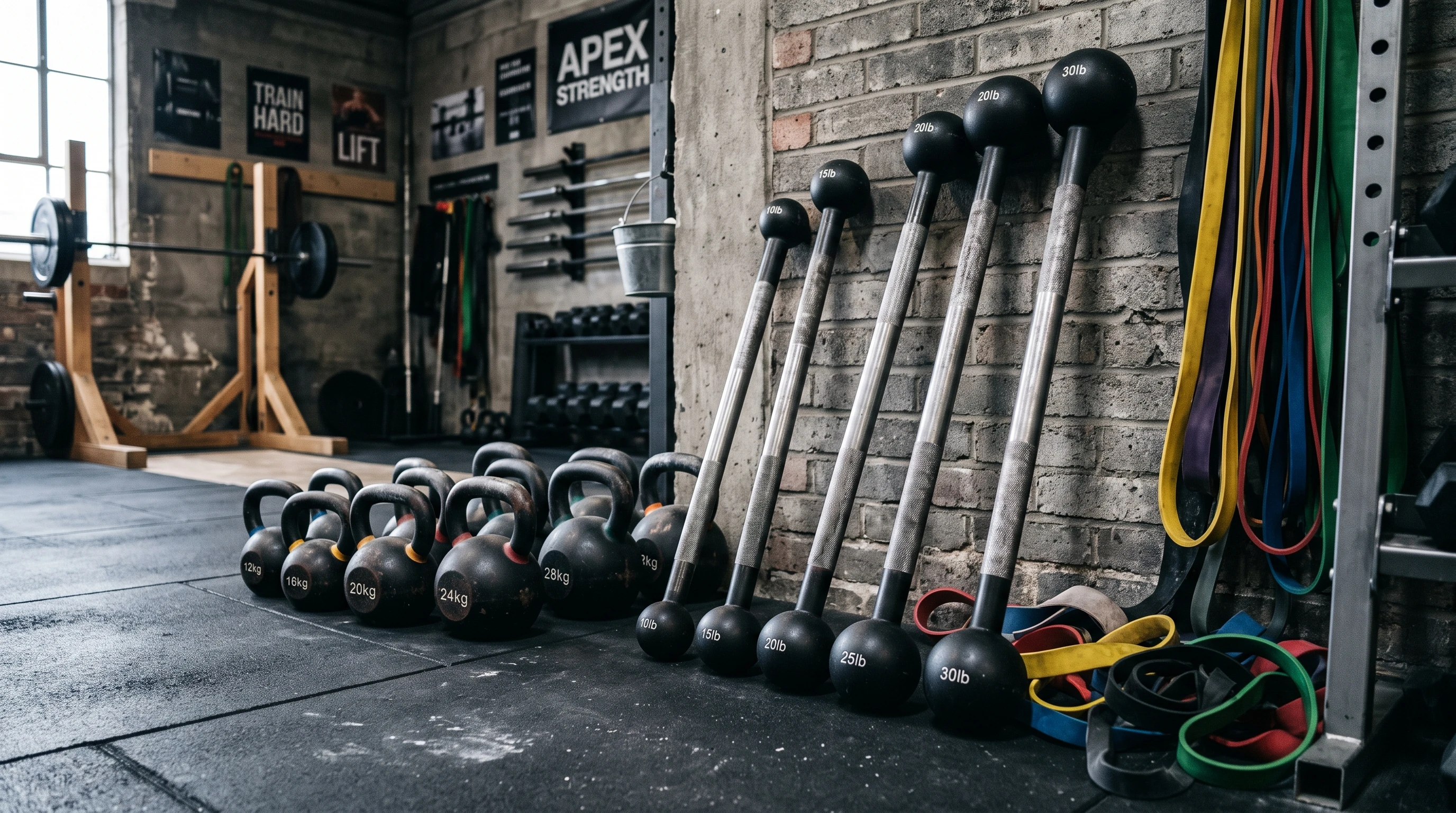
Why Mace Training Matters for Injury Prevention
The steel mace isn’t just another fitness gadget. Its offcentered weight and flow based movement patterns challenge your muscles, joints, and coordination in ways that traditional weights can’t. When it comes to injury prevention, mace training stands out for a few reasons:
- Improved Grip Strength: The thick handle and shifting weight force your hands and forearms to work harder, which often gets overlooked in regular gym routines.
- Shoulder Stability: The dynamic swinging and controlled arcs target the small stabilizing muscles around your shoulders, helping protect against common aches or imbalances.
- Core Engagement: You can’t cheat your core with a mace; every move fires up your abs and obliques as you fight to control the arc of the mace. This is super important for keeping your back and hips safer during sports or daily tasks.
- Joint Mobility: Mace movements are all about flowing through big, circular ranges of motion, gently coaxing more flexibility and control from your wrists, elbows, shoulders, and even spine.
Most gym injuries come from repetitive stress, weak stabilizers, or poor control during movement. Mace work gives your joints a chance to get stronger and more resilient, helping to lower the risk of tweaks or strains. If you spend long hours working at a desk or use your hands and shoulders repeatedly at work, adding in these compound movements can be a huge boost for longevity and everyday comfort.
How Mace Training Supports Rehabilitation
Rehab isn’t just about regaining strength; it’s about retraining the body to move better and avoid the cycle of pain or re-injury. Mace training slides into this picture nicely because it’s low impact, easily scalable, and surprisingly fun (which definitely helps when rehab gets boring!). Here’s what makes mace work really useful for recovery:
- Light Weights, Big Results: You don’t need a heavy mace to feel the burn. Even a 7 or 10 pound mace will humble experienced lifters by forcing totalbody stability.
- Controlled Tempo: Rehab often calls for slow, mindful movement, which is a perfect match for flowing mace exercises. You can pause, reverse, or scale back intensity on the fly.
- Unilateral Training: A big chunk of mace exercises are done using one arm or one side at a time, revealing and addressing left-right imbalances that might have led to injury in the first place.
- Restoring Movement Patterns: The circular and swinging motions mimic real life tasks like throwing, reaching, or carrying objects. This gets your brain and muscles back in sync for daily activities.
Mace exercises often feel less like “therapy” and more like play, which keeps motivation high. Even so, don’t skip the basics during recovery: warm up thoroughly, keep form tight, and check in with your provider when trying something new as part of your rehab game plan.
Getting Started: What You Need for Safe Mace Training
If you’re new to mace work—whether for injury prevention or as part of a rehab plan—the basics are simple. A steel mace (start lighter than you think), an open space, and maybe a basic mat is all you really need.
- Weight Choice: Men typically start with 10-15 lbs. Women often use a 7-10 lb mace at first. It’s always better to go lighter until you master the movements.
- WarmUp: Loosen up your wrists, shoulders, and core with gentle joint circles or foam rolling before picking up the mace.
- Key Mace Moves: Learn the staple exercises like 360s, 10to2s, shovel lifts, and uppercuts. Each one hits your joints and muscles a little differently.
Proper form is crucial. If possible, watch a certified coach, use mirrors, or film yourself when learning the basics. Avoid jerky or uncontrolled swings that could stress the shoulder or elbow. It’s all about smooth, controlled movement. Start with more repetitions using a lighter mace before increasing weight or complexity.
Common Challenges and How to Handle Them
Every new training tool comes with a learning curve, and the steel mace is no exception. Here are a few things people often bump into, with some tips to make it easier:
- Wrist Fatigue: If your wrists get tired fast, pause often and work on basic grip strength separately, using light dumbbells or stress balls.
- Shoulder Twinges: Stick with slower movements, shorten the range of motion, and avoid overhead swings at first if you’ve had shoulder issues in the past. Controlled practice is more important than big moves.
- Coordination Struggles: It can feel awkward! Practice movements without weight (just use a broomstick), or break them down into smaller steps before going full speed with the mace.
- Losing Balance: Start with your feet a bit wider, and focus on keeping your core tight. Don’t rush; stability will come with practice.
Wrist and Grip Safety
Because the mace puts unique pressure on your wrists and hands, it’s really important to keep your grip relaxed but secure. Whiteknuckling the handle makes it harder to control the movement. If your hands fatigue too quickly, add grip strengtheners or hang from a pullup bar to build up supporting muscles. Consider incorporating wrist stretches at the end of each session to keep your joints healthy and flexible over time.
Shoulder Warmups and Care
The shoulder joint is super mobile, but it’s also vulnerable if you’re not careful. Spending a few minutes warming up—focused on gentle circles, scapular rotations, and some band pullaparts—makes a world of difference. Never push through pain. Instead, skip any overhead swings and stick with horizontal movements until your joints feel happy. Listening to your body is key when returning from injury or protecting vulnerable areas.
Form over Ego
It’s tempting to grab a heavy mace, but good form with a lighter tool will bring more benefits (and fewer problems) long term. The best progress comes when you stay patient at the start. Remember that consistency and quality movement outshine showy lifts.
Practical Progression for Injury Prevention
You don’t have to be an athlete to use the steel mace for staying injuryfree. Building a strong, flexible body is something everyone can benefit from. Here are a few practical steps to get started:
- Focus on Mobility: Try a warm up flow with gentle mace swings and big shoulder circles to prep your joints. This keeps tissues supple and ready for more intense activities.
- Work on Balance: Combine simple squat or lunge variations while holding the mace. This taxes your balance and gets stabilizers firing, which cuts down on ankle, knee, and hip injuries over time.
- Build Endurance: Add in short mace flow intervals at the end of your workout (think 2 or 3 minutes each), focusing on smooth, uninterrupted movement for totalbody endurance and longevity.
- Listen to Your Body: Notice how your joints feel, and adjust your range of motion or resistance as needed. There’s no shame in stepping back if form slips.
These steps help you lay a solid foundation for safe movement, especially if you’re prone to overuse injuries or have a history of tweaks and sprains. Using the mace in warmups or cool downs also wakes up sleepy stabilizer muscles and reinforces good habits for daily movement.
Rehabilitation Applications for Common Injuries
Mace training isn’t a replacement for proper medical care, but it can support many rehab programs when used thoughtfully. Here’s how it can fit for specific injuries:
- Rotator Cuff Rehab: Slow, controlled 360 degree swings (using a very light mace or even a PVC pipe) help retrain shoulder stabilizers while keeping tension low.
- Lower Back Pain: Focus on antirotation core exercises with the mace, like offset holds and side swings, to build a stronger, more resilient midsection without risky twisting.
- Knee and Ankle Issues: Mace movements challenge your footwork and balance. Try slow lateral lunges while moving the mace in small arcs. This strengthens the whole leg chain in a gentle way.
Gently loading these areas, under medical supervision if you’re rehabbing, helps speed things up and cuts the risk of flare ups. Always check with a physio or rehab specialist if you’re unsure how to start. Incorporate feedback from your body after each session to prevent overdoing it.
RealWorld Scenarios and Use Cases
While I started using the mace on a friend’s recommendation for shoulder “tight spots,” I stuck with it after noticing big improvements in my posture and fewer flare ups in my lower back, even when lifting heavy boxes or working at my computer. Here are a few other scenarios where mace work fits in:
- Busy Workers: A ten minute flow before or after work leaves my joints and back feeling way less stiff. Super handy if you sit a lot or do repetitive tasks.
- Athletes: The coordination and grip benefits carry over to sports like tennis, golf, or baseball, where shoulder health is everything.
- Aging Adults: Gentle, guided mace routines keep shoulders, hips, and wrists moving well, lowering the odds of falls or movement restrictions as you age. Adding mace work to an existing fitness plan adds extra variety and keeps seniors involved and motivated.
Frequently Asked Questions
Folks often have a few questions about adding the steel mace into their training, especially when it’s for rehab or protection from injury.
Question: Do I need to be strong to start mace training?
Answer: Not at all! Even the lightest mace can give you a solid workout. It’s all about control and form, not brute strength.
Question: Is mace training safe for bad shoulders?
Answer: When done correctly and at an appropriate weight, it can give shoulder stability a boost. But you should skip any painful moves and check with a health professional if you have an existing injury.
Question: How often can I use the mace for rehab or prevention?
Answer: Two to four short sessions per week works for most people. Recovery is just as important as work, so mix it up with other movement and plenty of rest. Taking short breaks between sessions lets your muscles and joints adapt well.
Why Mace Training is Worth a Try for Joint Health and Resilience
Mace training isn’t all about brute force or flashy Instagram flows. It’s a practical, adaptable tool for anyone looking to keep injuries at bay and recover smarter after setbacks. By building grip, balance, and coordinated movement, you arm your body against the aches, pains, and repetitive stress that so often come with daily life. Plus, it’s simply more fun than you might expect, making it easier to stick with. Picking up a mace might just help you move, feel, and recover better than ever, no matter your age or fitness background.