
Mace training is catching a lot of attention in the rehab and fitness world, and for good reason. This ancient tool, a long-handled, weighted club, is being rediscovered for its unique ability to build strength and stability, especially through rotational movement. If you’re a physical therapist looking for fresh ways to help patients improve mobility, regain function, or challenge their rehab in a safe way, mace training can actually be pretty handy. Here’s my take on how physical therapists can introduce mace training into their treatment plans without compromising safety, along with some practical advice from my own experience.
Understanding Mace Training and Its Benefits in Rehab
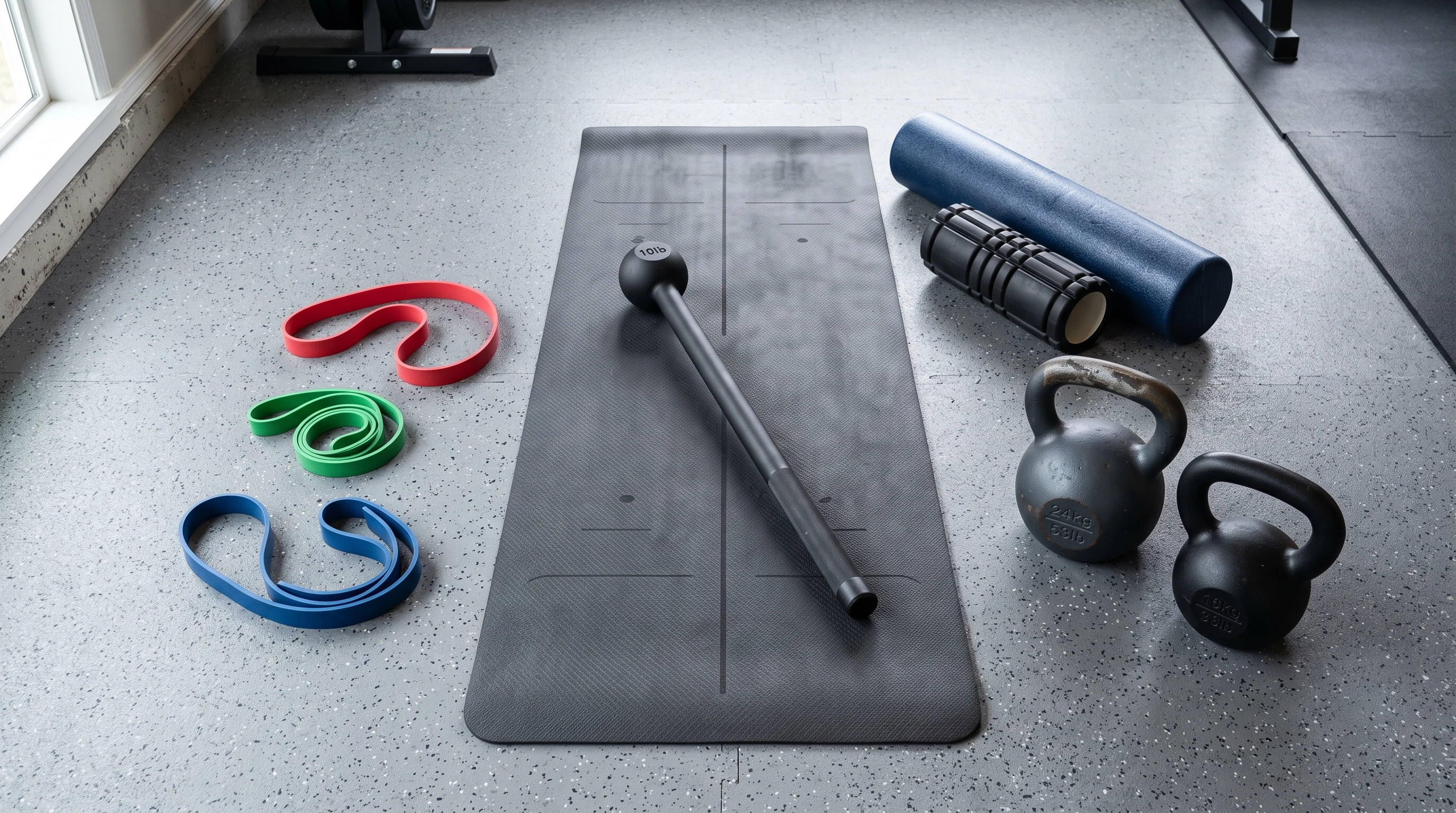
The steel mace, sometimes called a gada or macebell, has a weighted ball fixed at the end of a straight handle. The offset loading and long lever arm make it quite different from a dumbbell or kettlebell. Mace training builds grip strength, shoulder stability, postural endurance, and core control, which are key things for most rehab programs. What I like is how the movement patterns, like swinging or pressing, mirror real-life tasks and challenge muscles in unique ways.
Studies and clinic reports show that mace training encourages shoulder stability, improves proprioception (body awareness), and helps people regain rotational control. For those dealing with old injuries or aiming to bulletproof their joints, the mace can add a challenging yet measurable element to the rehab process. You can check out articles like this review from the PhysioPedia steel mace guide for background and examples.
Setting a Safe Foundation: When Is Mace Training Appropriate?
I like to remind people that not every patient is a perfect fit for mace training. Figuring out who’s ready comes down to a solid clinical assessment. Anyone coming off acute injury, especially involving the shoulders, elbows, or wrists, needs extra care. I tend to use the mace for patients who’ve already built a base of strength and mobility, and who can perform basic movements (like pressing, rowing, and anti-rotation holds) without pain.
Contraindications include severe joint instability, acute inflammation, uncontrolled pain, or recent surgeries. Even for people who pass this filter, I always start light, typically with maces between two and ten pounds, and focus on slow, controlled reps before ever thinking about swings.
Getting Started: Introducing the Steel Mace in Rehab Settings
Mace training doesn’t mean starting right into dramatic, fullbody swings. For rehab, I often start with static positions or simple movements like overhead holds, front holds, or levered presses. This builds familiarity and confidence handling the mace. Here’s a simple “getting started” checklist that I follow:
- Choose the right mace: For most patients, the lightest steel mace in the gym is plenty. Heavier isn’t better early on, mastery matters more than load.
- Focus on grips and positioning: Have patients practice various grip widths, hand placements, and carrying the mace safely from the rack to the mat.
- Introduce antirotational drills: These help with trunk stability and set the stage for more dynamic swings later.
- Emphasize neutral spine and joint alignment: Cues like “keep your ribs down” and “pack your shoulder” help patients build healthy movement habits early.
I usually keep sessions short at first, aiming for quality reps over quantity. For some patients, working with the mace for five to ten minutes at the end of a session is plenty for the first few weeks.
Progressing Safely: Essential Mace Exercises for Rehab
After patients are comfortable handling the mace, I start adding some common rehab patterns. A few of my goto moves include:
- Offset Shoulder Press: Holding the mace with the ball off to one side, press overhead. This really wakes up the rotator cuff and core.
- Static Hold with March: Hold the mace in front or overhead while gently marching in place. It’s great for balance and activating stabilizers.
- Halo or AroundtheWorld: Carefully circle the mace around the head, maintaining good posture. This helps with shoulder mobility and control.
- Landmine Row Variation: Rest the mace ball on the ground and row the handle, mimicking a landmine setup. It challenges the mid and upper back without much risk of overload.
The key is starting small and making adjustments, with shorter levers, lighter weight, and clear cues if form breaks down. As tolerance grows, you can step up the challenge by using longer levers, increasing reps, or adding slight movement complexity.
Common Challenges and How to Address Them
No tool is without its quirks, and mace training can sometimes pose unique challenges, especially in a clinical setting. Here are a few issues I’ve run into, along with fixes:
- Grip Fatigue: The unique load taxes the forearm and hand muscles a lot. Shorten the session or use thicker handles or taping for an easier grip in the early stages.
- Poor Posture: Watch for arching backs or flared ribs. Go lighter, add tactile cues, and encourage frequent breaks to reset posture.
- Uneven Loading: The offset weight can cause compensation, especially if one arm is weaker. Regularly switch sides or use bilateral maces for balance when possible.
- Nervousness about swinging: For anxious patients, stick to static and antirotation drills until their confidence grows.
Whenever I spot issues, slowing down and breaking the movement into smaller pieces helps people feel more in control.
Grip Strength Considerations
Grip fatigue happens faster than you might expect with the mace. I keep an eye on early shakeouts or signs patients are overgripping, and I sprinkle in rest or hand exercises throughout the session. Squeeze balls or basic wrist extensions between sets make a big difference. Improving grip strength and endurance with these simple additions helps patients handle the mace with increasing confidence and control as they progress.
Shoulder Safety
The shoulder joint really responds to the instability a mace creates, though sometimes it can be a struggle to adjust. Sticking to neutral or slightly flexed shoulder angles until a patient’s comfortable keeps things in the safe zone. For those rehabbing the rotator cuff, I always doublecheck form and movement speed. Adding scapular retractions as a warmup brings more stability and mobility to the joint, helping ensure exercises are both productive and safe.
Cool Ways to Blend Mace Training with Classic Therapy Techniques
Pairing mace drills with standard rehab exercises supercharges engagement and progress. For example, combining a single arm mace overhead hold with stepups or partial squats creates a fullbody stability challenge without needing to drastically increase the load. Patients with desk jobs often enjoy mace halos followed by classic band pullaparts—it’s a combo that gets them out of their usual slump.
Blending the mace with resistance bands, light free weights, or even bodyweight movements gives you more variety and keeps things fresh. If you’re helping athletic individuals, try using mace swings as active recovery between heavier strength sets; they enjoy the complexity and mental focus this adds. These combinations can improve both strength and movement control by mixing up traditional routines.
Precautions and Professional Tips for Safe Use
Here are a few simple rules I stick to when using the mace in a clinical setting:
- Use the lightest available mace to start—even experienced gymgoers are often surprised at how tough this can feel.
- Make sure the training space is clear of obstacles, especially when testing swinging or halo movements.
- Do a quick warmup with fullbody and gripfocused moves. A cold start increases risk of strain or dropping the mace.
- Provide plenty of demo time. Patients often need to see movements from multiple angles.
- Regularly reassess comfort and confidence, scaling back if pain or poor control shows up.
It can help to use mirrors if possible, so patients check form and feel more in control. Always supervise any new movement until the patient clearly demonstrates good technique and stability. Safety remains the top priority, and even when patients are progressing, maintaining an organized and supervised environment can prevent accidents and build trust in the process.
Real-Life Example: Mace Training for Rotator Cuff Recovery
I worked with a middleaged patient recovering from a rotator cuff tear, who had already progressed through basic strength and mobility stages. We introduced lightweight mace overhead holds and slow halos by week 8 postop. These helped him focus on control and stability without overloading the healing tissue. Weekly, we tracked mobility and confidence, and by week 12 he was swinging the mace in a controlled 360degree movement without pain or fear. It was motivating for him and gave both of us a clear picture of his progress outside of just classic lifting numbers.
Frequently Asked Questions
Physical therapists often have a few burning questions before giving a new tool like the mace a shot. Here are a couple that pop up:
Question: How quickly should patients progress through mace exercises?
Answer: Every patient is different, but slow and steady wins out. Master form with light weight and basic positions before advancing. Give them at least a week or two at each step unless their stability and control impresses you.
Question: Is it safe to use the mace in group rehab classes?
Answer: Yes, but start with static and simple drills and keep group size small so you can monitor everyone’s form closely. Make sure everyone gets a chance for oneonone coaching.
Question: What’s the biggest benefit of mace training in rehab?
Answer: Mace training sparks improvements in grip, core, and shoulder stability, which translate to daily strength and injury resilience. Many patients find it fun and refreshing compared to typical weights or resistance bands.
Wrapping Up: Mace Training as a Rehab Tool
Adding mace training to a treatment plan keeps rehab engaging and challenges patients in ways that go beyond the old standards. When brought in thoughtfully and progressed at the right pace, it helps with rotational power, antirotational core strength, and total body coordination, skills that really matter in the real world. I’ve seen great results using the mace as part of the ride back from injury or as a way to boost athletic rehab. If you’re looking for a new dimension in rehab, the mace is worth checking out for both therapist and patient alike.