
Mace training can seem a little intimidating at first, but it’s a fantastic way to ramp up your core stability while also boosting strength and mobility. Whether you’re searching for a new challenge or simply want to take your training up a notch, adding a steel mace brings a wide range of benefits—especially if you care about developing genuine core strength. Since core stability is about so much more than just crunches, using a training tool that involves both movement and muscle control helps give your body the kind of workout that’s hard to match with traditional routines. Here’s how I approach mace training for core stability, and why you might want to check it out.
Why Mace Training Works for Core Stability
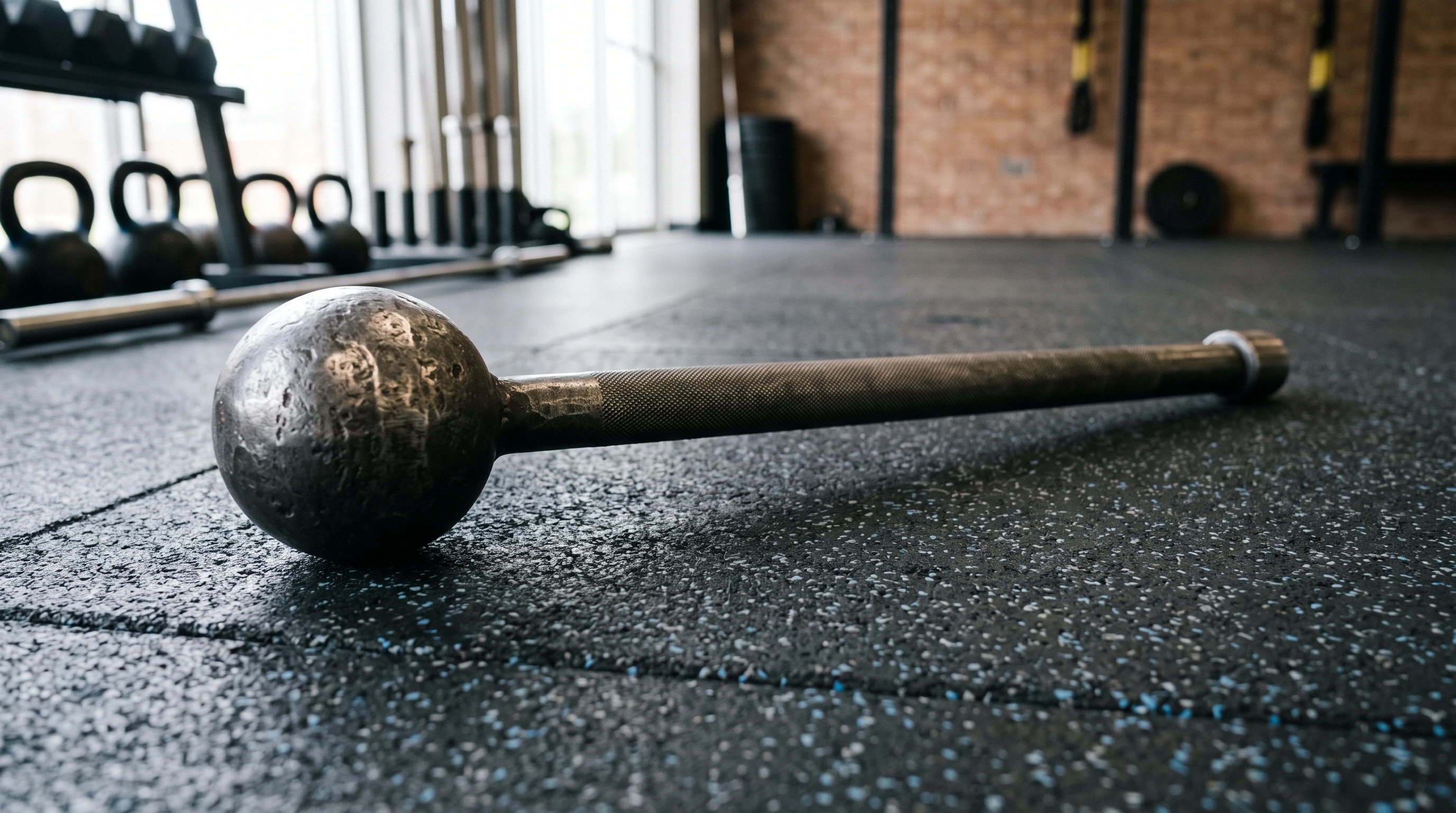
The steel mace is nothing like your average gym equipment. Its uneven weight distribution forces your core muscles to work overtime just to keep you stable. Every swing, press, and rotation calls for constant tension from your abs, obliques, and lower back. Unlike static core exercises that only train one movement or muscle group at a time, mace training brings in dynamic movement that mimics real-world challenges. That’s super useful for both athletes and everyday people who want to get stronger in practical, functional ways.
What gives the mace its signature effect is its offset weight. This setup means stabilizing your body isn’t just helpful for good form—it’s totally necessary. You’re training your body to handle the unexpected, which translates directly to better movement and less risk of injury in sports and daily life.
Plus, there’s solid research showing that antirotational and rotational exercises (which the mace is perfect for) do a ton for improving overall core function. Your body learns to resist twists, bends, and even accidental stumbles, making your core stability truly practical, and not just for appearances.
Breaking Down the Basics: What You Need to Know
If you’ve never tried mace training before, the fundamentals are pretty straightforward but have a major impact. The steel mace usually ranges from 5 to 20 pounds, but don’t let those numbers fool you—a lighter mace still gives your core a serious test due to the leverage and grip demands involved.
- Grip Placement: Where you hold the mace changes how much your core needs to work. Bringing your hands closer together and towards the weighted end (choking up) makes things easier; spreading your hands farther apart increases the difficulty by changing the leverage against your core.
- Neutral Posture: Standing tall with a slight knee bend and a solid base keeps your spine safe during swings or presses.
- Range of Motion: Most mace moves involve large, sweeping movements, so your core’s not just bracing—it’s working dynamically the whole time.
It’s best to start with a lighter mace and keep a keen focus on form. Even experienced lifters often say they’re surprised by how challenging even basic mace moves are at first!
Getting Started with Mace Training for Core Stability
Jumping into mace training doesn’t require lots of equipment or space—just some knowledge and a bit of patience. Use these steps to kick things off safely and give your core a genuine test.
- Pick the Right Mace: Begin with a lighter mace (7 to 10 pounds is great for most). Increase weight gradually as you become comfortable with both grip and movement.
- Build Grip Strength: Holding and moving the mace puts a novel strain on your wrists and forearms, which automatically boosts core stability too.
- Learn Key Moves: Nailing the 360, chi swing, offset press, and front hold helps you get used to the unique mechanics and requirements for your midsection.
- Start Slow: Focus on slow, controlled reps before adding speed or length to your sets. Quality definitely trumps quantity here.
These basics aren’t just for getting comfortable; they also prep your core for more ambitious training down the road. You’ll often notice the difference in your balance and stability within just a couple of sessions.
Common Hurdles and How to Work Around Them
Like most new training tools, the steel mace comes with a bit of a learning curve. Here are some common challenges and how to sidestep them:
- Lack of Shoulder or Wrist Mobility: Some moves require solid mobility in these areas. Warm up first with shoulder circles, torso twists, and grip stretches before jumping in for real to stay comfortable and pain-free.
- Grip Fatigue: Your forearms will usually tire out before your core early on. Switching hand positions or using a thicker grip (a towel works) helps spread the load.
- Form Fatigue: As you get tired, it’s easy for your back to arch or hips to sway off track. Take short breaks between reps and do a quick check in a mirror or with your phone to keep things tight and safe.
- Too Much Weight Too Soon: Remember, even a light mace can feel heavy if you’re holding it far from the weighted end. Be patient going up in weight—a slow build pays off in better, safer progress.
Warm Up for Success
It’s essential to prep your joints and muscles before diving into explosive or complex mace exercises. Shoulder circles, gentle torso rotations, and mobility stretches will prime your body and head off stiffness or injury.
Smart Grip Strategies
Mixing up your grip between sets, using a towel wrap for extra handle thickness, and applying chalk for sweaty hands pays off big for training endurance and keeping the core workout front and center.
Level Up: Advanced Moves and Flow Sequences
After you’ve gotten comfortable with the essentials, mixing in advanced patterns makes mace training both more effective and a lot more fun for your core. Here are some ways to mix things up:
- Full Body Flows: Linking lunges, squats, and rotational presses into a single flow adds challenge and brings in total-body coordination.
- Rotational Swings: Movements like the 360 swing or uppercut bring extra demand to your obliques—and your balance.
- Offset Carries: Holding the mace on one side as you walk, lunge, or stand forces your core to react and stabilize in new ways the whole time.
For core training, the trick is always maintaining control, no matter how complex the sequence. These advanced flows help your core strengthen through varied positions and movements, pushing your stability even further.
Gear and Setup Recommendations
You don’t need a lot, but a few smart choices can make your mace training smoother and more effective:
- Steel Mace (7-15 lbs): Start with a beginner-friendly weight and only jump to heavier maces as you gain confidence. Trusted brands like Onnit, Set For Set, and Yes4All all offer quality options.
- Mat or Nonslip Surface: Safe footing matters—especially if you’re training barefoot or in socks. A simple mat does the trick.
- Gloves or Chalk: These can help minimize hand slippage and protect your hands during long or sweaty sessions.
- Training Space: Make sure you’ve got enough elbow room to swing the mace in every direction, safely and confidently. Even a small room often works as long as it’s uncluttered.
Filming a set or two on your phone for instant form feedback can really help spot progress and keep your technique in check.
Everyday Benefits of Core Stability with Mace Training
The awesome thing about mace training is how it translates into day-to-day life and other activities. Better core stability leads to improved posture, less low-back discomfort, and easier transitions in all kinds of movement. Personally, grocery runs, yard work, or activities like tennis or martial arts feel easier after some steady mace sessions. Athletes who rely on sudden changes in direction, quick pivots, or absorbing hits get a direct boost from the kind of core work a steel mace provides too.
People dealing with back stiffness or those who already enjoy functional training find that mace routines round out the gaps left by conventional core work. That’s because the core muscles get worked from every angle—front, side, and back—in both static and moving exercises.
- Sports Carryover: Bracing under shifting loads is key for everything from cycling and running to obstacle course racing or climbing.
- Durability and Prevention: A strong core acts as your body’s shock absorber, reducing injury risk from slips, twists, or sudden moves, and leaving you generally feeling tougher all over.
Frequently Asked Questions (FAQ)
If you’re curious about getting started with a steel mace or wondering how it helps your core, check out these commonly asked questions:
Question: Is mace training suitable for beginners?
Answer: Definitely! Begin with a lighter mace, stick with slow, well-controlled movements at first, and ramp up as your grip and mobility grow. Adding new movements or a heavier mace is easy once you’ve nailed the basics.
Question: How often should I train with a mace for core stability?
Answer: Two to three sessions per week are usually perfect for most people, especially if you have other training in your rotation. That way, you boost your core while still getting enough recovery time.
Question: Can I use a mace with other core workouts?
Answer: Absolutely! Steel mace work complements planks, cable chops, and nearly any functional core movement. It uniquely includes more rotation, power, and adaptability elements—stuff regular core routines often leave out.
Adding a steel mace to your workouts switches up not only your core strength, but also your movement skills and everyday confidence. Prioritize solid technique, be patient with yourself, and mix up the moves regularly for best results. If you’re after a fresh, dynamic way to build rock-solid core stability, grab a mace and give it a shot. Your posture, strength, and movement will thank you!