
Methylene blue is a name you might not hear often unless you’re into veterinary science or advanced pet care. I’ve noticed more pet owners and vets turning to methylene blue for certain health issues in animals, usually when other options don’t work as well. Curious about what methylene blue actually does for pets or if it’s safe and useful for your own furry friend? I’ll break down the basics, practical uses, safety aspects, and a few points that are good to keep in mind if you’re thinking of having this dye as part of your pet care toolbox.
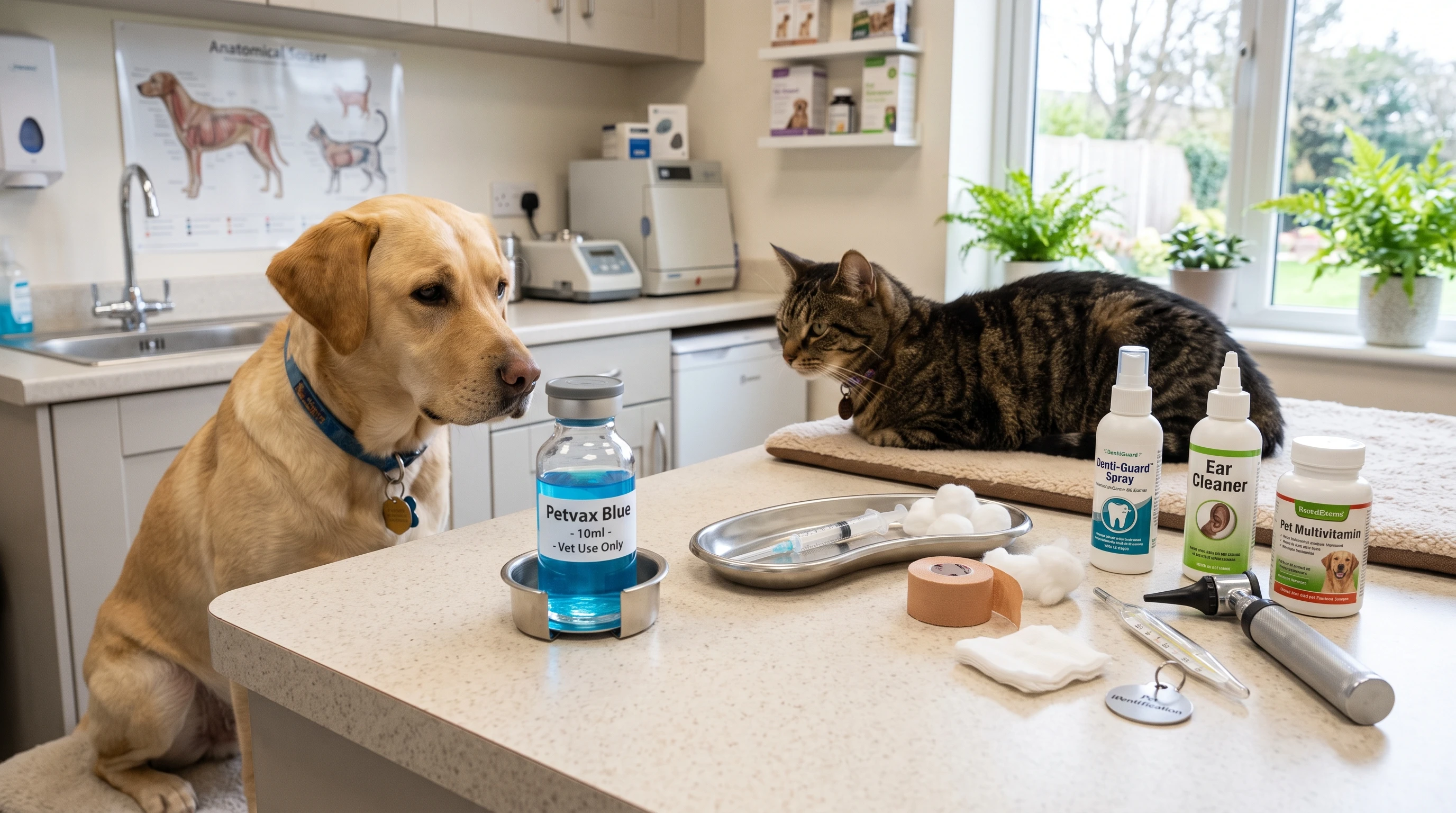
Methylene Blue: What Is It and Why Do Vets Use It?
Methylene blue started its life as a fabric dye in the late 1800s, but it didn’t take long for it to find a place in medicine. For pets, it’s most commonly used in veterinary clinics as a treatment for certain poisonings, but it comes with some other handy benefits for both cats and dogs. While this isn’t something for day-to-day care, it’s often a first choice for certain conditions that require fast action.
This blue compound appears in both liquid and powder form and is usually given either by injection or as a diluted solution for short-term use. Vets have found it especially useful for conditions tied to blood and oxygen-carrying problems. Think complications after ingesting toxins or when red blood cells aren’t working right. Let’s look closer at the situations where methylene blue can come into play.
Common Uses of Methylene Blue for Pets
Methylene blue is known for being super useful in emergency pet medicine. I’ve talked to vets who mention it most often when treating animals for methemoglobinemia and for wound care. Here are a few situations where you might hear about it:
- Methemoglobinemia: This word means there’s a problem with your pet’s blood carrying oxygen. It sometimes pops up after poisoning by certain meds (like acetaminophen or benzocaine), onions, or nitrates. Methylene blue works as an antidote, helping red blood cells get back to carrying oxygen as they should.
- Urinary Tract Infections & Wound Care: Sometimes, methylene blue is added to topical solutions for cleaning wounds, especially wounds that heal slowly or with ongoing infections. The dye helps spot tissue problems and also works as a gentle antiseptic.
- Diagnosis & Testing: Occasionally, methylene blue is put to use as a tool during surgeries or internal exams, helping vets trace leaks or blockages by making certain tissues more visible in the body.
How Methylene Blue Works in the Body
Understanding how methylene blue helps pets means checking out how it interacts with cells. I’ve learned that it acts as an electron donor in red blood cells, letting them return to a healthy state if toxins have made trouble. This makes it a solid option for methemoglobinemia, where the blood isn’t carrying oxygen well.
When used on wounds, the blue color is more than just a neat visual. It carries mild antibacterial effects, helping wounds heal and slowing the growth of bacteria. Compared to antibiotics, it doesn’t lead to resistance, though it’s not as strong as medications for serious infections. Still, it can give a boost alongside other treatments.
Is Methylene Blue Safe for My Pet?
Like any medical tool, methylene blue isn’t right for every animal and comes with side effects. If used the wrong way or at high doses, it can actually make things worse, causing vomiting, breathing trouble, or even issues with heart rhythm. This is why vets reserve it for cases where there’s a clear benefit and keep a close eye on animals receiving it.
Some pets, especially those with health conditions like kidney disease or severe anemia, might not handle methylene blue well. It’s not meant for home use, and only a trained professional should figure out the dose. Dosing has to be super precise, and how it’s given (IV, topical, or oral) depends a lot on the problem and your pet’s size.
Quick Guide: When Is Methylene Blue Used for Pets?
Knowing when a vet might choose methylene blue helps clear up confusion for any pet owner. Here are the main scenarios:
- Accidental Poisoning: If your cat or dog ate something toxic and their gums look brown or blue, a vet may identify methemoglobinemia and reach for methylene blue to help reverse the problem.
- Stubborn Wounds or Infections: For slow-healing wounds, a topical solution with methylene blue could help, especially when regular methods aren’t cutting it. It may also boost healing in some surgical wounds.
- Special Diagnostic Tests: Methylene blue can act as a tracer if your vet needs to see how fluids are moving inside your pet’s body and to highlight blockages or leaks.
For every situation described here, methylene blue is never a first step. It comes into use when other common solutions do not work or in emergencies when speed is important.
Things to Consider Before Relying on Methylene Blue for Pet Care
Methylene blue isn’t a magic fix, so here are some things I bring up if friends ask about its use in emergencies:
- Potential Side Effects: Too much can trigger breathing issues or uneven heartbeat, and it can turn urine or poop blue or green. While temporary and harmless, it can still look alarming. Some animals might get allergic reactions or mild nausea.
- Vet Supervision: Let a professional decide if and when your pet should have methylene blue. Home use is risky; doses need to be exact.
- Not for Every Species: Most info we have is about dogs and cats. There’s little known about use in birds, rabbits, or exotic animals; always check with your vet before trying anything new.
Common Side Effects
While most pets do fine with the right dose, here are a few reactions to keep an eye on:
- Blue or green tint in urine or feces
- Mild upset stomach or diarrhea
- Breathing changes or restlessness (usually only after high or repeated doses)
If you see anything strange after treatment, bringing it up with your vet is smart.
When to Avoid Methylene Blue
Some pets should skip methylene blue altogether. If your furry friend has kidney or liver issues, a rare G6PD deficiency, or is very sensitive to dyes, your vet will likely look for other options.
Other Uses and Benefits Worth Knowing
While most people know methylene blue for poison rescue, scientists are looking at other roles. Early studies suggest possible help with some fungal infections (mainly in labs) and as a wound marker in tricky surgeries. Vets have tried using it to make bladder or kidney problems easier to spot in imaging tests as well.
- Tracking Tissue Health: The way methylene blue stains tissue helps spot damaged or dead spots during surgery—very handy in complicated procedures.
- Supporting Recovery: Thanks to its mild bacteria-busting properties, it could make a difference in aftercare for skin and tissue, though research is ongoing.
These added uses are still being explored, so stay tuned to veterinary journals or check in with your vet for the newest insights if you’re interested.
Frequently Asked Questions About Methylene Blue for Pets
Since I like digging up answers, here are a few common questions from pet parents:
Q: Is methylene blue safe for everyday pet care?
A: It isn’t for daily use. It comes into play for special cases, such as serious poisonings or stubborn wounds, and should always be supervised by a professional.
Q: Can I give methylene blue to my dog or cat myself?
A: Only a vet should provide methylene blue. DIY use could be dangerous since getting the dose right is tricky without training.
Q: Are there natural alternatives for the same problems?
A: You can try gentle wound care or approved antiseptics for simple issues, but real emergencies like poisonings or blood disorders always need a vet’s expert advice.
Wrapping up
Methylene blue is a reliable tool for certain pet emergencies, especially methemoglobinemia and some stubborn wound treatments. It isn’t meant for your home first-aid kit, but understanding what it can handle—and what it can’t—gives you confidence if a vet recommends it. As with all treatments, it’s safest in your vet’s hands, and you’ll want to keep an eye out for any odd reactions in your pet during and after treatment. If you’re curious whether methylene blue fits your pet’s needs, bring it up during your next check-in at the clinic and see what your vet says based on the latest findings in the field.