
Staying fit with a demanding job can feel like trying to fit a workout into a schedule that constantly switches up and never quite gives you a break. I’ve been there, sprinting to a meeting while thinking about how it’s already Wednesday and my gym bag has collected more dust than sweat. Over time, I’ve picked up some time-saving indoor workout strategies that actually fit a busy life, regardless of whether I’m working from home or zipping downtown to the office. This guide covers time-efficient indoor workouts perfect for busy professionals who want real fitness results but aren’t interested in spending hours at the gym.
Why Quick Indoor Workouts Work for Busy Schedules
The beauty of short, effective workouts is that they actually fit around a full calendar. Short bursts of exercise, sometimes called high intensity interval training (HIIT), circuit workouts, or even micro sessions, offer real benefits in less time. Just a few focused minutes can be surprisingly effective.
The American College of Sports Medicine reports that sessions as short as 20-30 minutes, when done with intensity, provide boosts in metabolism, heart health, and mental clarity. I’ve noticed my focus is sharper and my energy more stable with these types of workouts. You can usually do them with no special equipment or just the basics, like a mat and maybe a resistance band.
Working out at home is nothing new, but with the popular work-from-home trend, efficient routines have become even more essential. If your day is packed with meetings, project deadlines, and commutes, the trick is keeping things simple and consistent. Knowing there’s a quick, effective workout ready to go removes a lot of the mental friction that stops people from exercising. It provides flexibility and helps make exercise a regular part of even the busiest week.
Getting Started: Key Principles of Time-Efficient Indoor Workouts
Building an efficient routine starts with smart planning. You don’t need to overthink it; just knowing a few types of workouts and how to rotate them can be a game changer. Here are the core things I keep in mind:
- Keep It Simple: Pick exercises you know or can learn quickly. Bodyweight classics like squats, pushups, and planks go a long way.
- Focus on FullBody Movements: Targeting large muscle groups burns more calories and makes each minute count.
- Embrace Short Circuits: Circuit style training (doing exercises back to back) walks the fine line between strength and cardio, delivering more for your effort.
- Schedule Like a Meeting: Even a 15 minute window, planned like you would a work call, increases your odds of following through.
I usually jot down my workout plan on my calendar, the same way I’d block time for an important phone call. It may sound simple, but making it “official” helps me follow through and maintains my consistency.
Quick and Effective Workout Types
There isn’t one perfect indoor workout plan for everyone, but these are my personal favorites for busy schedules, and I’ve seen lots of folks in the same boat get great results from them, too. You can pick and choose what feels best for your energy on a particular day.
Bodyweight HIIT (High Intensity Interval Training)
- What it is: Short bursts of high effort exercises (like jumping jacks, squats, or burpees) followed by brief rest.
- Why it’s handy: HIIT covers cardio and strength, requires little to no gear, and burns big calories in half the time of traditional workouts.
One of my favorite go to HIIT sessions looks like this:
- 30 seconds squat jumps
- 30 seconds pushups
- 30 seconds mountain climbers
- 30 seconds rest
Repeat the above 3-5 times, and you’re done in about 15-20 minutes. No gear is needed, but a mat helps for comfort.
AMRAP (As Many Rounds As Possible)
- What it is: Set a timer, usually 10-20 minutes, and move through a list of exercises as many times as you can until time runs out.
- Why it’s handy: You go at your own pace, tracking your progress by how many rounds you complete next time.
Here’s a classic AMRAP circuit I recommend:
- 10 pushups
- 15 air squats
- 20 jumping jacks
Keep looping these moves for your chosen time. I find it’s way less intimidating than an open-ended workout and rewards you with a sense of accomplishment each round.
CoreFocused 10Minute Routine
- What it is: String together a few plank variations and core moves with little to no rest in between.
- Why it’s handy: Tightens your midsection and improves stability, which is great for desk workers with low back tightness.
If I only have five to ten minutes, I’ll rotate through:
- 30 seconds forearm plank
- 30 seconds side plank (left)
- 30 seconds side plank (right)
- 30 seconds bicycle crunches
- 30 seconds rest
Repeat twice for a quick, coreburning session that leaves your entire midsection feeling the work.
Things to Consider When Choosing Indoor Workouts
Any new workout routine looks easy on paper, but life tends to toss surprises at your schedule. A few important things to think about:
- Space: Not every apartment has tons of room. I once squeezed all my workouts between a coffee table and a couch, and it worked fine with bodyweight moves.
- Noisy Moves: If you’re in an upstairs apartment, try to avoid loud jumps or running in place. Low impact alternatives like stepbacks and static lunges save your downstairs neighbor some stress.
- Consistency Beats Intensity: Doing smaller sessions three or four times per week adds up more than going “all in” once and burning out, or getting injured.
- Recovery: Shorter sessions are easier to bounce back from, but don’t skip stretching. I finish every session with hip flexor stretches and shoulder rolls to counteract my desk posture.
Equipment You Can Use, But Don’t Need
Most indoor workouts for busy folks are designed so you don’t need anything at all. If you want to add a challenge as you get stronger, consider the following:
- Resistance Bands: Inexpensive, portable, and super versatile for upping the intensity.
- Dumbbells or Kettlebells: Useful for adding strength, but not required for an effective session.
- Yoga Mat: Makes floor exercises more comfortable, especially on hard floors.
A lot of people find that investing in basic gear helps keep them motivated, but it’s definitely possible to build and maintain fitness with zero equipment. If you want to use household items for resistance—like a jug of water or a heavy book—get creative! The key is to adjust the challenge as you start feeling stronger.
Tips For Staying Motivated With Indoor Workouts
Sticking to a routine when you’re busy is tough. Here are some real world tactics I’ve used and others have shared with me:
- Set a Specific Schedule: Block 15-30 minutes on your work calendar and treat it like any other meeting.
- Use a PreMade Routine or App: Programs like Nike Training Club, Seven, or YouTube channels can give you a session with zero planning.
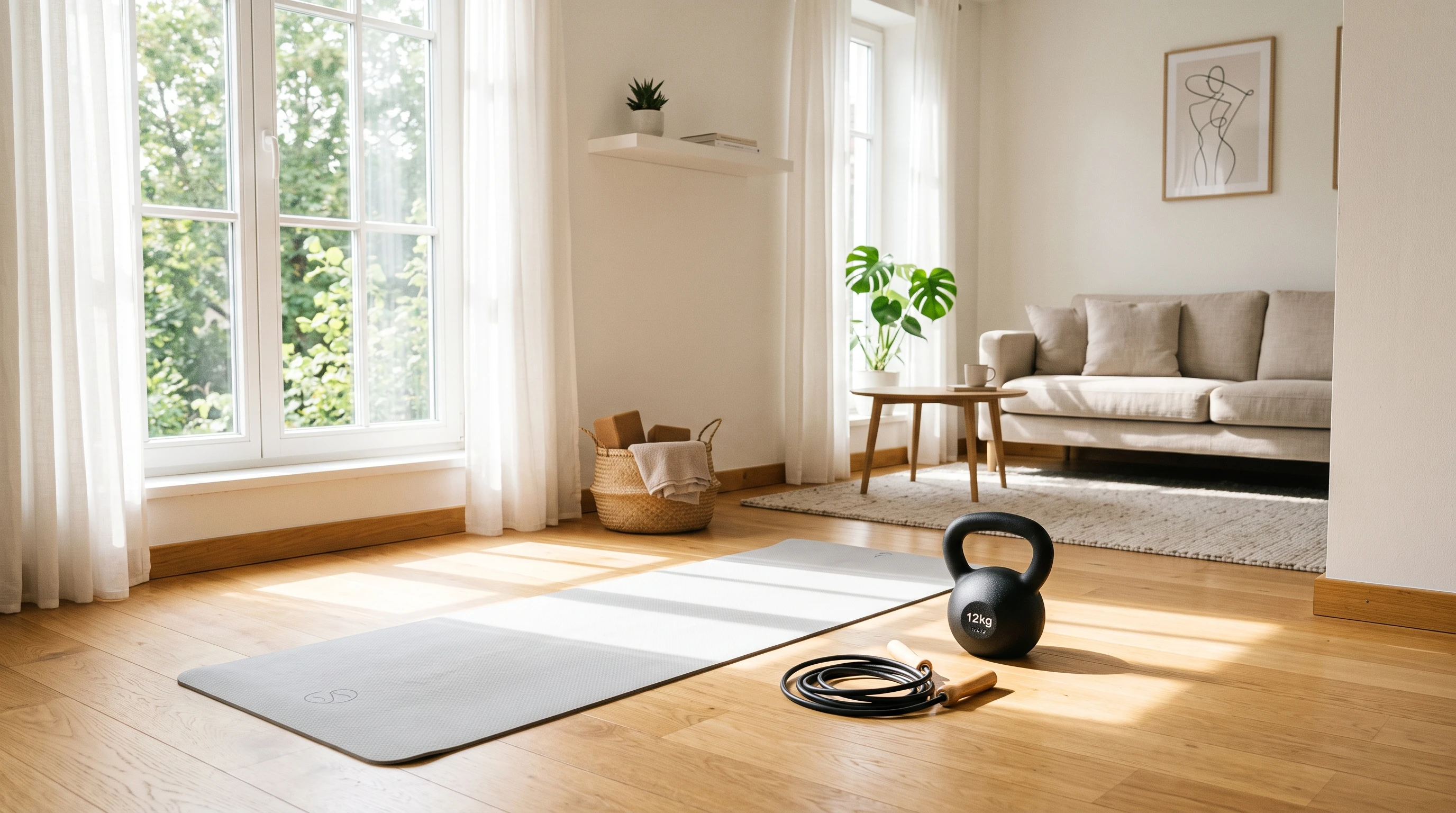
- Have a Dedicated Space: Leaving your mat unrolled in a corner makes it easy to start and harder to forget.
- Mix Up Your Workouts: Boredom is a big reason people bail on exercise. Cycle between HIIT, yoga, strength, and core so things feel fresh.
- Track Progress: Write down your workouts and see improvements over time, like getting through more AMRAP rounds or shaving seconds off rest breaks.
I also remind myself that a quick workout is always better than skipping entirely. Even 10 minutes gets my blood flowing and helps reduce stress. Try changing your playlist or inviting a friend to do a virtual session if you feel your motivation slipping. Sometimes, a new perspective or accountability is all you need to keep your routine on track.
Common Questions About Time-Efficient Indoor Workouts
People often ask me about starting or sticking to short routines. Here are a few quick answers:
Can short workouts really help me get fit?
Yes. Plenty of research (like this study published in the Journal of Physiology) shows that high effort, structured short workouts improve fitness, burn fat, and support mental health.
How many times per week should I do these routines?
Aim for three to five sessions each week. Mix up the workout types and give yourself a rest day or two to recover. Listen to your body and don’t hesitate to adjust as needed.
What if I get bored?
Try new moves, change your playlist, or invite a friend or coworker to do a virtual session. Switching things up helps keep your routine interesting, and you can discover new forms of movement that you might enjoy even more than your go-to routine.
Do I need a warmup before short workouts?
Yes. Even 3-5 minutes of dynamic stretches or gentle cardio, like jogging in place or doing arm circles, help prime your muscles and reduce injury risk.
How Busy Pros Have Made Quick Indoor Workouts Work
I’ve heard from friends and readers who’ve built new routines around their unpredictable workdays by doing these time-efficient indoor workouts. One coworker knocks out a HIIT session in her living room between meetings, while another uses AMRAPs to squeeze in quick sweat breaks after putting kids to bed. I’m always impressed by how creative people get, from using household items for resistance to stringing together two five minute bursts to hit their daily goal.
The trick really is to pick a routine that feels realistic for your life right now, rather than what you “should” be doing. With even a small commitment, I’ve seen folks improve energy, manage stress better, and feel good about making progress even during the busiest weeks. Sharing successes with friends or keeping a journal of achievements can boost your confidence and consistency, even on days when motivation runs low. Plus, you might stumble upon innovative ways to keep workouts enjoyable, like combining music, productivity podcasts, or audiobooks.
Building a workout into your routine doesn’t need to be complicated or time consuming. Having a handful of reliable indoor workouts in your back pocket helps you keep up your fitness by carving out just a bit of time for yourself, without sacrificing the other things that matter most. With focus and creativity, a busy schedule can absolutely coexist with a healthier, more active lifestyle—one quick and powerful session at a time.