
Nitric oxide (NO) is one of those things that doesn’t get talked about very often, but it’s actually really important for your overall health. Even though it sounds super “science-y,” nitric oxide is just a natural molecule your body makes. What it does inside you is nothing short of awesome: it helps your blood flow, gives a boost to your energy during workouts, and even keeps your brain sharp. Plenty of people try boosting their nitric oxide levels for better athletic performance or heart health, but the benefits go way beyond the gym and can impact many parts of your daily life.
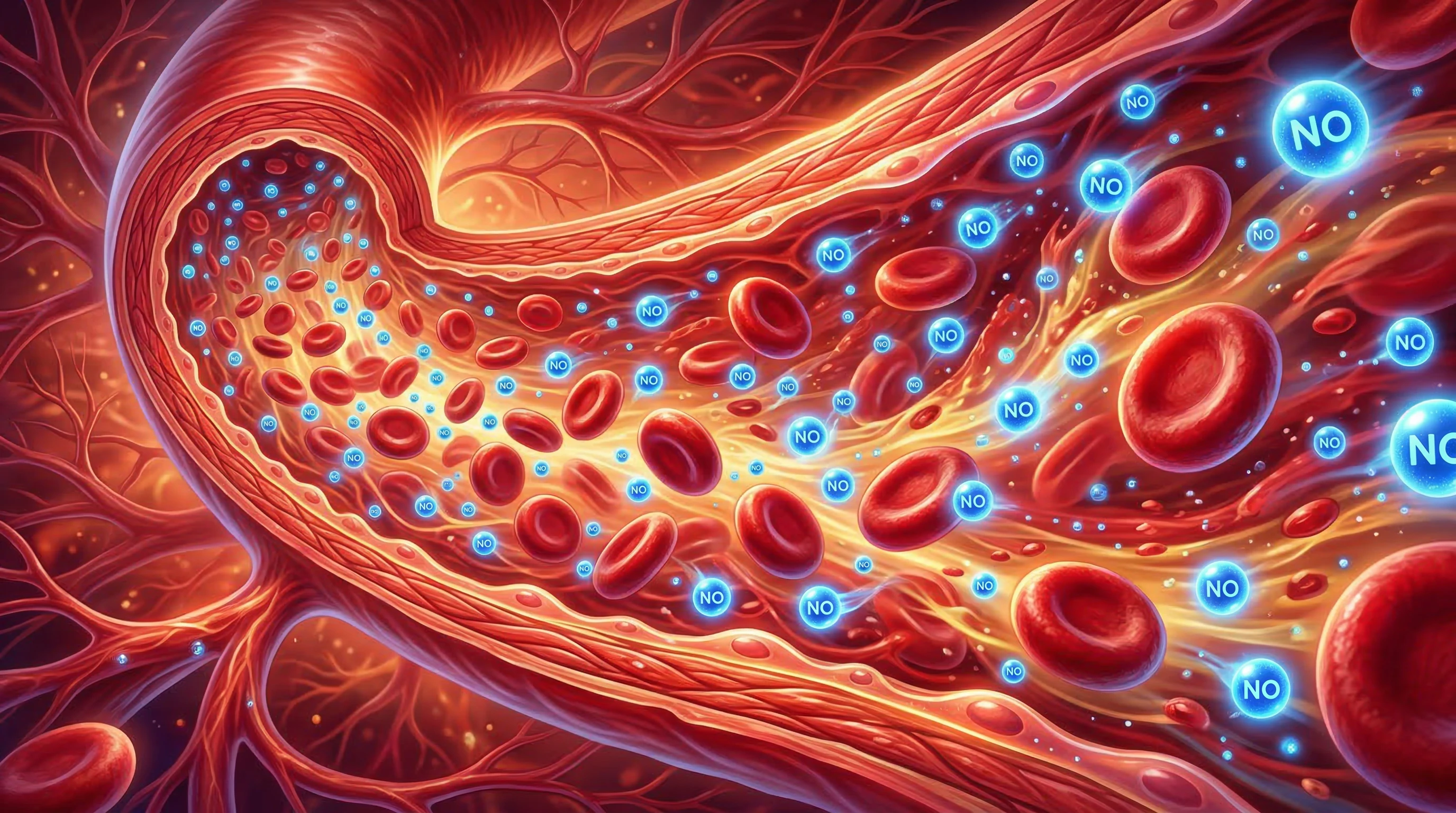
Why Nitric Oxide Matters For Your Health
Nitric oxide works as a signaling molecule, almost like a messenger letting your blood vessels know when to relax and widen. That’s a big deal for everything from your blood pressure to how your body delivers nutrients to muscles while you exercise. There’s a good reason some athletes and health-focused folks sip beet juice or take L-citrulline—those help the body create more nitric oxide, bringing a bunch of handy benefits to the table.
Even if you’re not training for a marathon or cycling race, having decent nitric oxide levels is important. It can help with memory, cut down on muscle soreness, and even boost immune health. After spending time looking into it, I’m convinced nitric oxide is worth knowing about; so I’ve put together 10 health benefits that are useful for everyone, no matter your age or how active you are.
Getting To Know Nitric Oxide: What It Actually Does
Your body naturally puts nitric oxide together from amino acids, mainly L-arginine and L-citrulline, and from nitrates you get from leafy greens, beets, and a few other veggies. Once it’s made, nitric oxide works to make your blood vessels relax and expand. Even though it only sticks around for a short time, it’s really efficient at helping oxygen and nutrients get around your body. That’s why nitric oxide is often mentioned alongside better endurance, faster recovery, and even sharper brain function.
- Endogenous Production: This just means your body can make its own nitric oxide using building blocks from your food.
- Short Life, Big Impact: Nitric oxide doesn’t last long, but it works fast as it moves through your system.
- Nutritional Boosters: Things like spinach, arugula, and beets naturally help bring your nitric oxide levels up.
10 Amazing Health Benefits Of Nitric Oxide
- Supports Healthy Blood Pressure
Nitric oxide helps relax the walls of your blood vessels, making it easier for blood to flow. That means your heart doesn’t have to work as hard and your blood pressure is more likely to stay in a healthy range. Plenty of studies show that boosting nitric oxide with food or supplements supports cardiovascular health. It’s especially helpful for managing mild hypertension. (Check out the research here.) - Increases Exercise Performance
If you enjoy working out or just running for fun, you might notice you can go a little harder or longer with higher nitric oxide levels. That’s because your muscles get more oxygen, cutting down on fatigue. Beetroot juice, which is packed with nitrates, is loved by athletes for this reason. It also helps reduce that “heavy legs” feeling during endurance sports. - Speeds Up Muscle Recovery
After a tough session, faster blood flow helps whisk away waste products that make your muscles sore. Nitric oxide is part of this tidy-up crew, so you’ll likely feel less sore and bounce back faster. Recovery goes smoother when your blood vessels let nutrients get to your muscles quickly. - Boosts Brain Function and Memory
Your brain needs plenty of oxygen to stay sharp, and nitric oxide acts like the delivery service—making sure brain cells stay well-supplied. Some research shows that nitric oxide can help with memory, sharpen your focus, and even protect your brain from aging-related stress. - Gives a Boost to Your Immune System
Nitric oxide helps some immune cells fight off bacteria and viruses by acting as a signaling molecule, assisting your body as it coordinates defenses. Researchers have found that people with higher nitric oxide production tend to get sick less often. - Supports Erectile Function
This is one of those topics people don’t talk about much, but nitric oxide is crucial for men’s sexual health. It works by opening up blood vessels and making sure blood gets where it needs to go. Some ED medications work by supporting nitric oxide activity in the body. - Tones Down Inflammation
Long-term inflammation can harm multiple parts of your body. Nitric oxide helps balance things out by lowering inflammation markers naturally. It’s helpful if you’re hoping to support your joints or manage conditions made worse by inflammation. - Helps Keep Blood Sugar in Check
Nitric oxide can help insulin do its job even better. When insulin works well, your blood sugar levels stay more steady after meals. This makes nitric oxide an interesting option for anyone paying attention to blood sugar and metabolic health. - Protects Cardiovascular Health
Maintaining healthy nitric oxide levels over time helps keep arteries flexible and lowers the risk of plaque buildup. You can think of it as giving your blood vessels a way to age more gracefully, a huge factor for long-term heart health. - Improves Airflow for Better Breathing
Nitric oxide helps your lungs and airways open up, making it easier to breathe. Some people with asthma or other breathing issues find that bringing up nitric oxide levels—whether through diet or exercise—helps their airways work better.
How To Naturally Boost Nitric Oxide Levels
Your body can make more nitric oxide with some straightforward changes. Here are a few things that work—the best part is, they’re simple:
- Eat NitrateRich Foods: Leafy greens (like spinach, lettuce, and celery) and root veggies (like beets) are some of the best choices for raising your levels naturally.
- Get Moving: Physical activity, especially aerobic and strength training, tells your body to make more nitric oxide.
- Lcitrulline and Larginine Supplements: These amino acids are popular with athletes, but you can eat foods like watermelon, nuts, and fish to get them too.
- Go Easy on Mouthwash: Odd as it sounds, using strong mouthwash often kills mouth bacteria that help turn nitrates into nitric oxide. Try cutting back if your dentist says it’s okay.
Key Terms To Know
- Nitrates: Found in certain veggies; your body turns these into nitric oxide.
- Larginine & Lcitrulline: Amino acids that encourage nitric oxide production.
- NO Synthase: The enzyme your body puts to work to create nitric oxide.
Common Challenges That Affect Nitric Oxide Levels
Although your body is made to crank out nitric oxide, a few things can make this whole process slower as time goes on. Here’s what might trip you up:
- Aging: As you get older, your body naturally makes less nitric oxide. This is part of the reason blood pressure tends to go up with age.
- Poor Diet: Eating loads of processed foods or not getting enough nutrients means your body misses out on what it needs to put together nitric oxide.
- Lack of Activity: Sitting too much or not elevating your heart rate can dull your nitric oxide production.
- Some Medications: Certain prescription drugs might lower nitric oxide levels. Your doctor or local pharmacist can talk this over if you have questions.
Practical Tips to Overcome These Challenges
- Add more greens and veggies to your meals—a simple salad, a smoothie, or some homemade veggie soup are all convenient options.
- Mix in some brisk walks, biking, or lifting weights into your week. You don’t have to go all out; just keep your blood flowing.
- Regularly check in with your healthcare provider, especially if you’re thinking about heart health, blood pressure, or any matters related to this list.
FAQs: What People Usually Ask About Nitric Oxide
Q: Can you have too much nitric oxide?
A: Your body normally keeps nitric oxide levels in check, so you can’t “overdose” from eating veggies or normal supplements. Very high amounts from supplements, especially without medical input, might cause headaches or stomach trouble. Stick to recommendations or your healthcare provider’s advice.
Q: Which foods are most effective for naturally bringing up nitric oxide?
A: Beets, leafy greens like spinach and arugula, celery, lettuce, and watermelon are great. They’re loaded with nitrates and amino acids that help your body step up nitric oxide production.
Q: Is it safe to use nitric oxide boosters when I have heart disease?
A: Always best to ask your doctor, especially if you take prescriptions or are managing a condition. Plant foods that step up nitric oxide are generally safe for most people, but supplements can interact with medications and should be checked out first.
Closing Thoughts
Nitric oxide works all over your body—from your heart and muscles to your brain and immune system. Tweaking your diet or exercise routine can help your body crank out more nitric oxide, giving you more energy, faster recovery, and better mental clarity. For most people, bumping up nitric oxide is an easy way to step up how you feel and perform every day. Make a couple of small changes and you’ll probably start noticing (and enjoying) the benefits nitric oxide brings!