
Mace training is increasingly showing up in physical therapy clinics. If you’re exploring rehab options, or if you’re a therapist looking for new techniques, using the mace could really change how you approach mobility, strength, and stability work. Let’s check out what mace training is, why it works well for rehab, what to expect in a beginner session, and a bunch of practical tips for getting started safely. Along the way, we’ll tackle some real-world questions and challenges so you can make the most out of your mace experience.
What is Mace Training and How Does It Work?
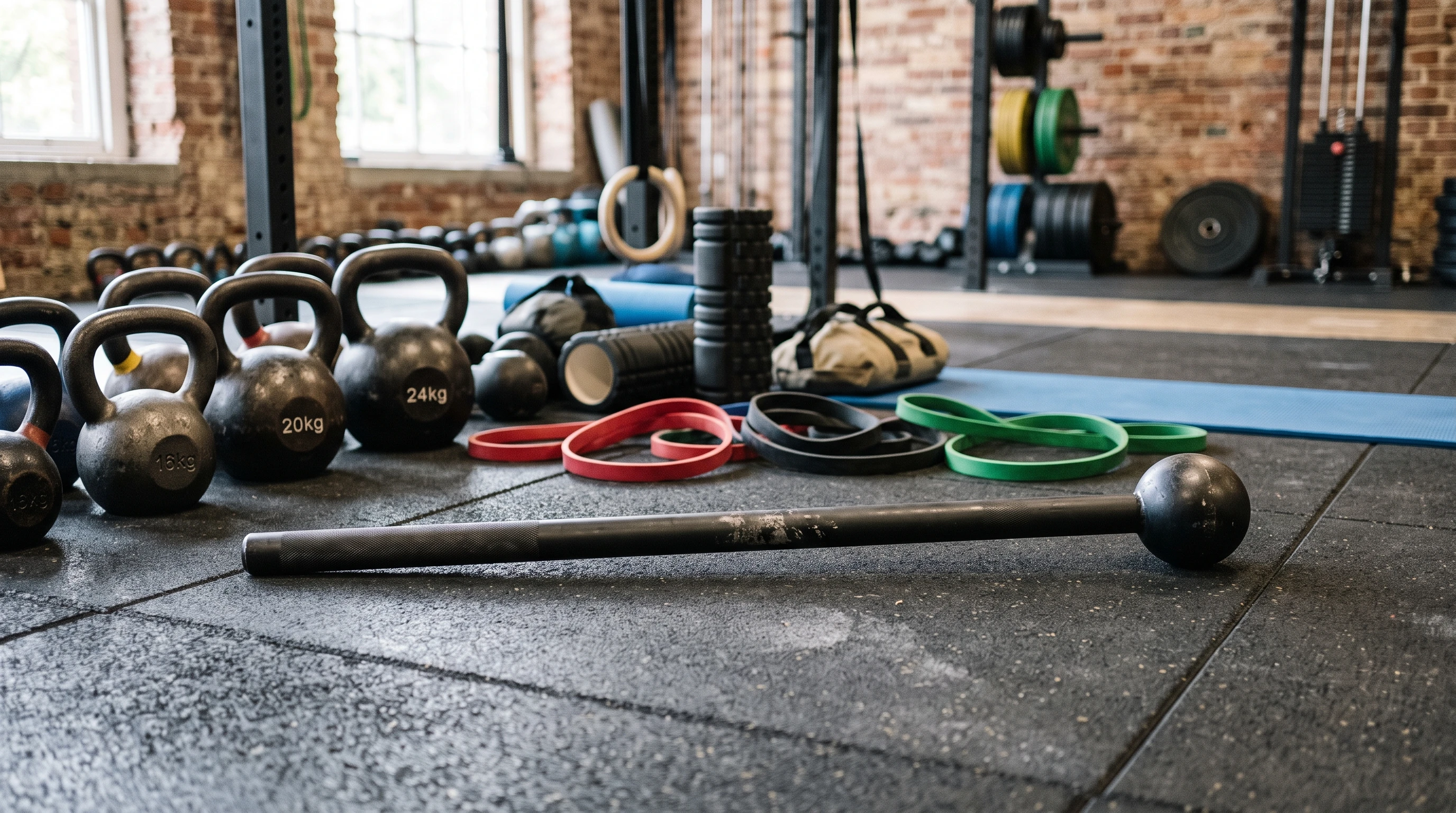
The mace, also called a steel mace or gada, is basically a long metal handle with a heavy ball on one end. This offcenter weight delivers a unique workout compared to typical dumbbells or resistance machines. Historically used in ancient India by wrestlers, the mace is now popular in both sports training and physical therapy settings across the globe.
When you swing or lift a mace, your grip, shoulder stability, core, and balance get challenged all at once. This quality makes the mace particularly suited for people bouncing back from injuries or aiming to regain lost strength and coordination. The movements naturally require your body to stabilize itself throughout the workout.
Unlike machines that guide your movement, the mace asks your muscles and joints to work together, helping you relearn functional movements that echo real-life activities. The offcenter load wakes up stabilizer muscles that often go unused, building strength from the inside out.
Mace Training Benefits in Physical Therapy
Bringing mace work into a rehab routine does more than just add some eye-catching gear to your toolbox. Here are some genuine reasons to give the mace a shot in physical therapy:
- Improved Grip and Shoulder Stability: Even basic moves train your grip and shoulder stability because of the uneven load. There’s no need for complex instructions; the tool itself does the job.
- Core Activation: Holding the mace and resisting the pull of the weight fires up your abdominal and low back muscles on every rep. This sort of deep-seated core work is useful for long-term injury prevention.
- Shoulder Mobility: Mace swings gently invite a broader, safer range of motion in your shoulder joint. This is invaluable for anyone bouncing back from shoulder injuries or rotator cuff trouble.
- Balance and Coordination: Because most mace exercises are dynamic, they challenge your ability to stay steady and fluid, testing your balance every session.
- Simple to Adjust: Lighter maces are perfect for early-stage rehab, while heavier ones raise the bar for those further along the recovery road.
With regular use, many clients stumble upon improved posture, smoother movement, and more confidence in their daily lives, all thanks to putting a little time in with the steel mace.
Getting Started With Mace Training in Physical Therapy
It’s totally normal to feel a bit unsure about using a mace for the first time. The concentrated weight at one end feels very different than holding a regular dumbbell or resistance band. Here’s how to safely get into mace training in a physical therapy setting:
- Start Light: Even an 8- or 10-pound mace feels much heavier than a similar-weight dumbbell thanks to the leverage. Most clinics have smaller maces to get you going safely.
- Form Over Speed: Slow, controlled movements yield more benefits for your balance and strength than quick, momentum-driven swings.
- Work Each Side: Complete reps with the heavier end on your right, then swap to even things out. This balance is essential for rehab and overall strength gains.
Common Beginner Mace Exercises for Therapy
- Mace Deadlifts: Stand upright, grip the mace close by the ball with one hand and farther away with the other, and mimic a standard deadlift. This is great for low back and hip stability.
- Shoulder Switches: Bring the mace from one side of your body to the other by switching hands in front of your chest. It improves shoulder control and coordination.
- Mace Halos: Move the heavier end slowly in a circle around your head. This safely mobilizes shoulders and opens up the upper back.
- Press Outs: Press the mace directly forward and return. This wakes up shoulders and core far more than you might expect.
Is Mace Training Safe for Physical Therapy?
Safety is a must, especially for those with injuries. With the right coaching and a cautious approach, the steel mace can actually help prevent injuries by building sound movement patterns and stability. Here’s what you might want to keep in mind for staying safe:
- Medical Clearance: Always check in with your doctor or physical therapist if you have a new injury or have recently had surgery before starting with the mace.
- Supervision: A trained therapist or certified coach should always demonstrate the basics, and check your form early on.
- Progress Gradually: Give yourself time to build up. Heavier weights and complex flows can come later, once you own the basic moves.
With patience and expert input, the steel mace becomes a unique tool for regaining strength without putting yourself at unnecessary risk.
What to Expect in a Mace Training Session for Beginners
Your first session with the steel mace in physical therapy focuses on the basics. Here’s what you’ll likely experience in an introductory session:
- Warm Up: A few stretches and gentle mobility drills to prime your joints and muscles.
- Intro to the Mace: You’ll get used to how the mace feels, learn proper hand placement, and the therapist will watch to keep your form safe.
- Movement Demo: A therapist will show a handful of movements like halos, presses, or simple swings for you to practice.
- Guided Practice: You’ll try the moves yourself under supervision to ensure smooth, controlled motion while getting helpful adjustments.
- Cooldown: Usually wraps up with stretching or relaxing breathing drills to help your body recover.
This approach helps you gradually step up to more challenging exercises, so you can make steady progress without rushing.
Choosing the Right Mace and Setup
Setting up for mace training—whether at home or in a clinic—means thinking about the right tools and safety. Here’s what to keep top of mind:
- Weight: Start with a 7-10 pound mace for beginners. Jump up in weight only once you’re rock-solid on the basics.
- Length: Most maces are 39 to 45 inches long. A shorter one works for tight spaces, but a longer handle makes balancing a bit tougher and really challenges your stabilizers.
- Open Space: Make sure there’s room for swings—avoid tight quarters, low ceilings, or delicate equipment nearby!
- Flooring: Rubber mats or padded flooring give you confidence if you’re still getting used to the feel of the mace.
Also consider using wrist wraps or gloves if you have hand or wrist sensitivities, to make sessions safer and more comfortable.
Real-Life Example: Mace Training for Shoulder Rehab
I worked with a patient bouncing back from a rotator cuff strain. Once she could move painfree, we added gentle halos and press outs using a light steel mace. She quickly spotted how the tool made her feel more stable while making therapy more interesting. After a few weeks, her shoulder stability improved, she felt more at ease, and she even continued some of the exercises at home to support her recovery. This is just one story, but plenty of therapists have seen similar results—once patients get the hang of the mace, their progress takes off.
Common Challenges (And How to Beat Them)
- Awkward Coordination: Mace moves can feel clumsy at first. Start slowly, focus on mastering basic positions, and only increase complexity after they become second nature.
- Hand or Wrist Fatigue: Grip strength is a hurdle for many, especially if you’re recovering from wrist or hand issues. Try grip aids or soft wraps for added support.
- Balance Issues: Wobbly balance is totally normal. Use a mirror to watch your form and keep your feet a touch wider than you might with other exercises for stability.
Mace Training: Frequently Asked Questions
Q: Can anyone use the mace in physical therapy?
A: Most can, but if you’ve had a recent joint replacement, have severe osteoporosis, or significant arthritis in your hands or wrists, make sure to check with your rehab provider first.
Q: Do I need special equipment?
A: Just the steel mace and enough space to move safely—that’s it. Comfortable workout clothes and shoes with some grip can help, but nothing fancy is required.
Q: How often should I do mace rehab exercises?
A: Two or three times a week is typical, especially if mixed with other rehab work. But always stick with your therapist’s personalized advice.
Takeaways for Mace Training in Physical Therapy
Steel mace workouts can really give a boost to balance, shoulder health, and confidence after injury. Begin with lighter weights, focus on slow and steady moves, and level up only when you’re ready. This approach is fun, practical, and can transform how you move in day-to-day life. Mixing up your routine with something fresh like steel mace training might be just the step up your rehab plan needs.