
Mace training is gaining a lot of momentum these days. Maybe you’ve seen some wild moves on social media or heard about it as a next-level cool alternative to traditional weightlifting. It’s not just for athletes or hardcore gym goers; anyone can start, and it brings loads of benefits if you take the safe, steady approach. I want to share the basics to help you jump in confidently and avoid common pitfalls, especially if you’re just starting out.
Why Try Mace Training?
The mace—sometimes called a macebell—is a steel or wooden handle with a weighted globe at one end. It has roots in ancient combat training but has made a solid comeback as a fitness tool for strength, mobility, and coordination. What’s cool about mace training is its focus on rotational and swinging movements. These hit muscles your regular barbell lifts might miss, and you also get great grip and shoulder strength along the way.
Many mace exercises are whole-body moves. So you’re not just isolating muscles, but tapping into your core, stabilizers, and balance, too. It suits people aiming for functional fitness, injury prevention, or even just mixing up a stale routine. Recent surveys highlight that unconventional tools like maces are becoming really popular in group fitness classes and personal training. The variety of movement patterns keeps workouts fresh and exciting for all levels—and trainers love that you can adapt mace routines for beginners and advanced athletes alike.
Getting Set Up: What Gear Do You Need?
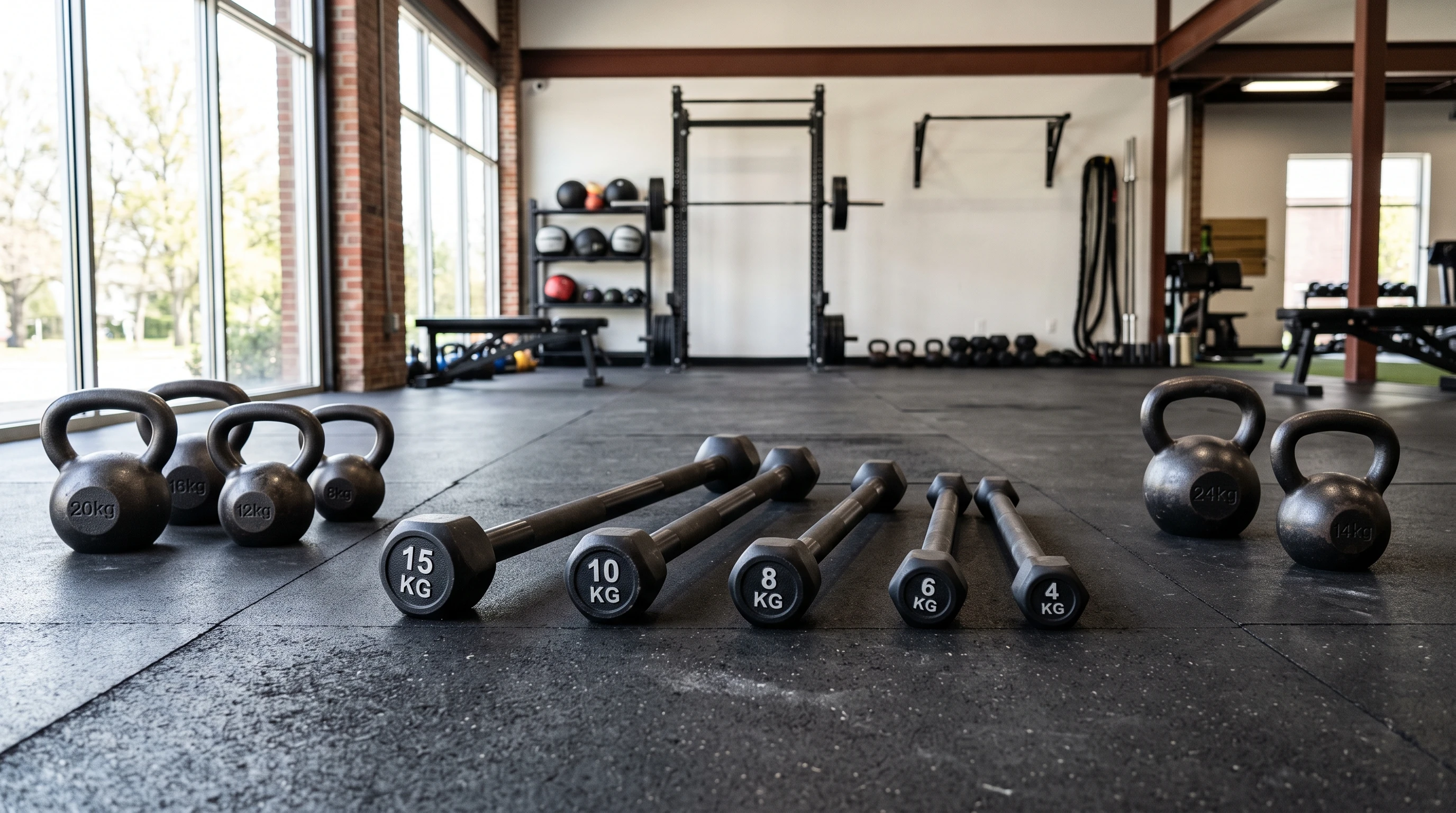
Starting with the right gear can make a huge difference for your safety and enjoyment. When picking out your first mace, it pays to keep things simple and manageable. No need to grab the heaviest one; mace training is all about form and control, not just brute strength.
- Lighter Maces: For most beginners, a 7 to 10 pound mace is a smart pick. It might not sound heavy, but the leverage of the long handle makes it feel much heavier than a dumbbell of the same weight.
- Comfortable Workout Space: Give yourself plenty of space with no fragile objects nearby. You’ll be swinging the mace around, so a clear zone is super important for safety.
- Supportive Footwear: Shoes with good grip help you stay planted. Some folks even go barefoot for better balance, but use caution and go with what feels stable to you.
While you don’t need gloves, some people like them when starting out to avoid blisters. The only two true “musts” are a manageable weight and solid floor room. If you work out at home, test your ceiling height—make sure you have enough room overhead for big swings without bumping into anything. On top of that, make sure the mace is free of sharp edges or rough spots, and if you share equipment, keep things clean to protect your hands.
Learning the Basics: Safe Techniques to Start
I’ve noticed a lot of newcomers get into complex moves like 360s quickly, but it’s smart to start slower. Mastering foundational movements builds the muscle memory you’ll need later and seriously lowers your risk of injury.
- Two Handed Swing: Both hands on the mace, start in front of you, and use your whole body as you swing it gently from shoulder to shoulder. Feet stay planted, and keep things slow and controlled. Focus on keeping tension in your core as you move.
- Front Hold: Just holding the mace vertically in front of you with two hands turns into a surprisingly tough core exercise. It teaches good posture and proper hand placement.
- Press and Row: Practice pressing the mace overhead or rowing it up to your chest. Start with small ranges of motion and focus on smooth movement, keeping your wrists neutral.
Pay attention to your grip and the feeling of the mace’s offset weight. Most people find it’s pretty challenging at first; that’s what makes building up so rewarding. If you feel unstable at any time, try repositioning your hands or lowering the weight until you’re more comfortable.
How to Structure Your First Sessions
Breaking in a new routine can be overwhelming, so I’ll walk you through a typical beginner session. Keeping it basic is totally fine. It’s way better than overdoing things and ending up sore or frustrated.
- Warm Up: Loosen up your wrists, elbows, shoulders, and spine with dynamic stretches and some light arm swings. This warms up the joints that’ll be most involved.
- Practice the Basics: Practice the front hold and two handed swing with slow, controlled reps. Do about 3 sets of 8 to 12 reps for each move.
- Add Some Mobility: Throw in some torso rotations or lateral movements with no weight, or with just the empty mace handle if you’re very new. If you feel comfortable, try a few gentle figure-eight patterns to build confidence with movement paths.
- Cool Down: Gently stretch your shoulders, wrists, and lats to keep things loose. Hydrating now is smart, too. Don’t rush the cool down—spend at least five minutes so you finish your session feeling fresh.
Two or three sessions per week is plenty for your first month. Listen to your body. If something feels off, dial it back. Over time, as your stamina builds, you can add another day or more advanced drills, always making sure foundation skills are strong first.
Common Challenges for Beginners (and Practical Solutions)
I made plenty of mistakes when I first tried mace training, and I’ve seen others hit similar bumps. Here’s what usually trips people up, plus a few practical solutions that help:
- Going Too Heavy, Too Soon: It’s tempting to think more weight means more results, but the odd lever of the mace can tweak your wrists and shoulders if you’re not ready. Stick with a lighter weight until you’re bored with the basics, and don’t be afraid to step back if a movement feels risky.
- Sloppy Grip: An uneven or “death-grip” hold can cause fatigue or even blisters. Adjust so your hands stay relaxed but secure, and mix up your grip as you learn new moves to spread out stress on your hands.
- Skipping the Warm Up: Swinging a cold shoulder usually ends poorly. Take joint prep seriously, even if you’re itching to start. A simple five minute mobility circuit before you start pays off over time.
- Poor Posture: Hunching or “shrugging” your shoulders can lead to strain, especially in complex movements. Use a mirror or film yourself to check your alignment until it feels second nature. Small corrections now pay off big later as moves become more dynamic.
The key is treating mace training like a skill, not just a workout. Patience and attention to detail truly pay off. Don’t forget to take breaks if grip or forearm fatigue sets in—recovery is just as important as practice itself.
Handy Tips to Keep Progress Steady
Once you’ve nailed the basics, small tweaks can help you stay safe and make steady progress.
- Work on your grip strength separately. Farmer’s carries or dead hangs can give a boost to endurance for longer sets.
- Incorporate rest days to let your shoulders and elbows recover, especially when first starting out. Overtraining can show up quickly if you push too hard too soon.
- Expand your skill set slowly; try single arm variations, but lighten the weight when you do, to maintain control and avoid strain. Add in overhead holds or partial swings as you get more confident.
- Mix it up with bodyweight exercises or mobility drills to round out your routine. This balances out strength, flexibility, and prevents fatigue from only doing similar patterns.
Connecting with local coaches or checking out reputable online tutorials can help, especially if you’re struggling with a specific move. The online community around mace training is helpful and encouraging—don’t be shy about asking questions or sharing your progress.
Mace Training in Practice: Real Life Benefits and Uses
I started mace workouts looking for a break from standard weightlifting, and the results surprised me. The improved grip and shoulder mobility were instantly noticeable, but I also found myself with better balance and less shoulder tension from sitting at my desk job. Mace training often pops up in martial arts, obstacle course prep, and even physical therapy. It’s also been popular among those crosstraining for sports that need a lot of rotational power; think golf, baseball, or tennis.
- Functional Strength: Rotational moves with the mace translate well to everyday lifts, twists, and reaches, making daily activities easier and safer.
- Rehab and Joint Health: Because most movements are controlled and smooth, they can work as active recovery tools after injury—just make sure to check with a specialist first if you have a history of joint issues.
- Stress Relief: There’s something satisfying (and, honestly, pretty fun) about swinging a heavy piece of steel in controlled patterns. The focus required can help shift your attention away from daily worries, making your workout a mindful break.
A lot of people stumble upon mace training as a complement to yoga or Pilates, finding new ways to move and stretch. It’s also a favorite for anyone looking to break out of repetitive gym routines and try a tool that encourages both creativity and coordination.
Frequently Asked Questions
Question: Do I need any background in weightlifting to start mace training?
Answer: Not at all. Many people try it out as a first strength routine. Just make sure to start with lighter weights and master the basics before increasing difficulty.
Question: How often should I train with the mace as a beginner?
Answer: Two to three sessions a week works well for most. This gives your body time to adjust while keeping up steady practice.
Question: What if my local gym doesn’t have maces?
Answer: Maces are pretty affordable and durable for home use. You can find them online or in specialty fitness stores. Just make sure you have enough space at home before swinging anything around. If you’re on a budget, some people even get creative with DIY tools using a sturdy stick and a weighted ball—but always put safety first.
Final Thoughts
Getting started with mace training takes a bit of learning and patience, but it’s a straightforward and rewarding way to build real world strength and mobility. Focus on technique, go light, and respect your body’s learning curve. With a safe foundation, the benefits show up quickly; you’ll probably end up having more fun with your workouts, too. If you’re ready for something fresh, the mace might be just what your fitness routine needs. Give it an honest try—the blend of challenge, creativity, and results might surprise you!