
Mace training has taken off in the fitness scene for good reason. This ancient tool, used for centuries to build strength and resilience, has found its way into gyms and home workouts for folks who want a practical, and honestly, pretty cool way to strengthen their grip, improve endurance, and build some serious functional power. If you’re looking to boost your grip strength, up your stamina for sports, or just want to mix things up, mace training is worth checking out. I’m going to share how mace training actually works to improve grip strength and endurance, what you need to know to get started, and some tips for getting the most out of your sessions.
Why Mace Training Is Getting So Popular
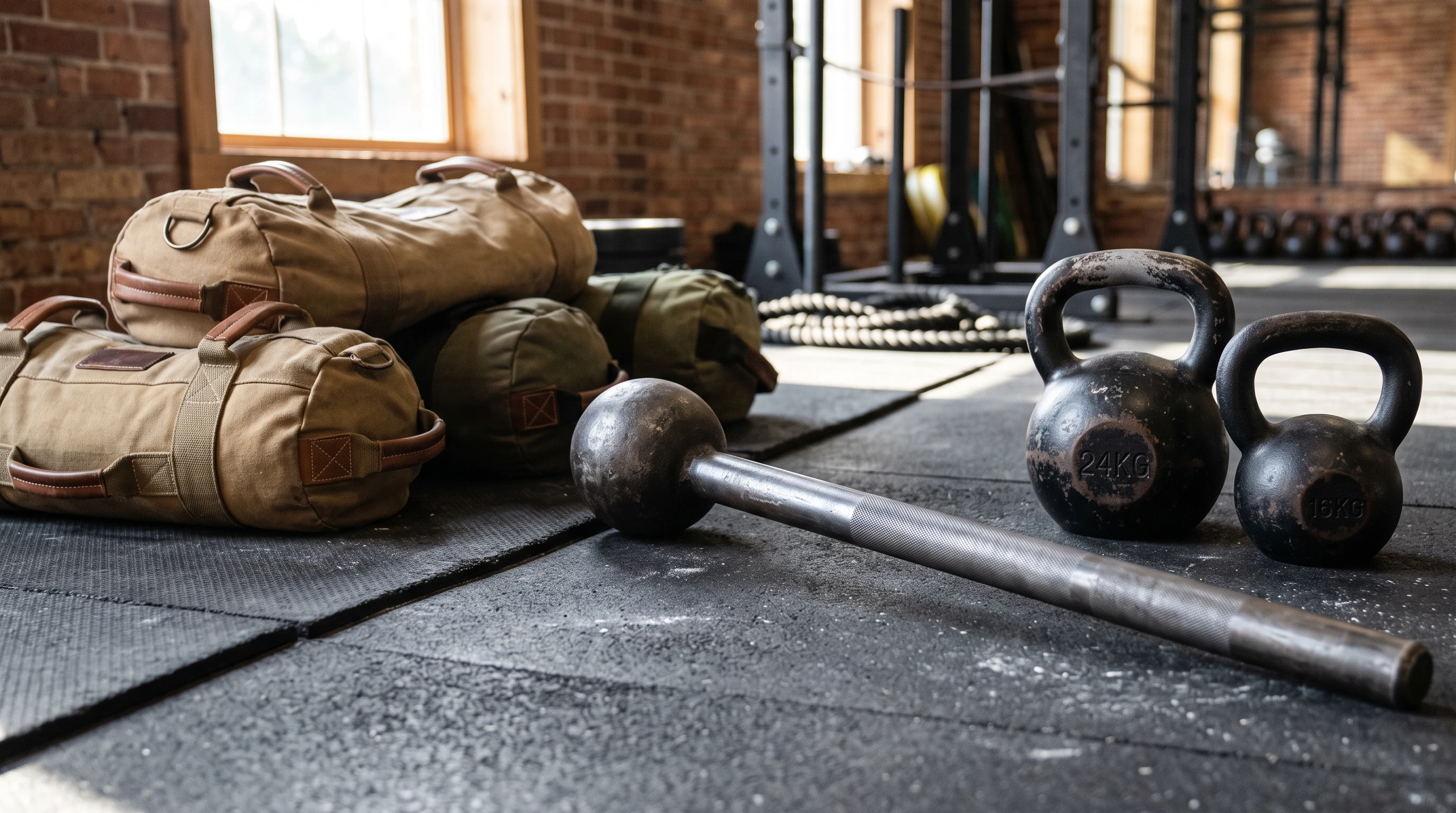
Steel mace training, also called macebell training, is seeing a real wave in popularity for both home and commercial gym fans. Fitness circles have picked it up for strength, mobility, intense endurance sessions, and, of course, developing a powerful grip. The design—a long handle with a weighted ball at one end—demands constant engagement from your hands, wrists, and forearms, making it a top tool for grip training.
Most movements in mace training also recruit the entire body. When swinging or pressing a mace, your upper body, core, and grip are all on high alert, transforming even simple motions into dynamic, challenging workouts. Historically, macelike tools were used by wrestlers and warriors to build battle-ready endurance and hand strength, and it’s clear why it’s coming back now, especially for people tired of the same routine with traditional gym equipment. Mace training encourages people to jump into functional training that taps into more muscle groups and multidirectional movement patterns, giving your workouts a creative twist that keeps things fresh while you level up strength and stamina.
The Science of Grip Strength
Grip strength comes down to how much force your hand muscles, wrist, and forearm can produce. Daily life doesn’t always challenge these muscles in a balanced way, so it’s easy for them to lag behind. But grip isn’t just about holding heavy objects at the gym; it affects everything from opening jars to playing sports and keeping joints healthy as you age. Studies show that higher grip strength is often linked with better mobility, lower injury risk, and even improved heart health (source: NIH).
What makes grip strength worth working on is that a strong grip helps boost upper body power and supports other lifts, like deadlifts or pullups. It’s not just about muscle; it’s about how efficiently you can use your strength in everyday movements. Strong hands set the stage for all sorts of functional skills, and keeping your grip in top shape helps keep you agile and resilient, especially as you age.
How Mace Training Builds Grip and Endurance
With mace training, it doesn’t take long to feel the burn in your hands and forearms. The design creates what’s called an “offset weight,” meaning the bulk of the weight is far from your grip, which demands more control and strength from your hands. Here’s how this translates into better grip and stamina:
- Constant Tension: Just holding a mace keeps your grip working constantly, especially during movements like 360s or “mills.”
- Wide Range of Movement: Mace flows take your wrists and forearms through positions that regular gym dumbbells hardly ever hit.
- Endurance from Reps and Holds: The highrep, flowing nature of mace routines helps build muscular endurance, not just brute force.
- Improved Joint Health: Rotational movements keep wrist and elbow joints healthy by improving mobility and stability.
For example, a simple exercise like the mace 360 swing asks your grip to hold tight while the mace pulls in a circle around your body. You need to resist dropping the mace but also stay relaxed enough for fluid movement. Repeat for a few sets, and your fingers will start talking to you—fast!
Getting Started with Mace Training for Grip
If you’re interested in developing serious grip power and stamina, steel mace training is pretty accessible. A good place to start is by picking up a mace that’s light enough for controlled movement but heavy enough to challenge your grip. Most beginners start with 7 to 10 pounds, which is gentle on your joints and ideal for learning technique.
- Grip Position Matters: Holding the mace close to the end increases the challenge for your grip. You can make things easier by moving your hands closer to the ball for new exercises or ramping up the intensity by sliding them down as you get stronger.
- Start Simple: Learn the basics first: twohanded mace swings, shoulder presses, and front holds. These build a foundation before you move into more complex flows.
- Work the Angles: Different exercises—swings, presses, and holds—work different parts of your grip and forearm, giving you a wellrounded challenge.
- Progress Slowly: Small jumps in weight make a big difference because the further the weight sits from your grip, the more force you need.
Remember, practicing the basics not only gives you control of the mace but also locks in good habits for safety and effectiveness down the line.
Quick Guide: Easy Mace Moves That Build Grip and Endurance
Here are a few starter moves I use to work grip and build up endurance using the mace:
- 360Degree Swing: Hold the mace in front, swing it behind your head, and bring it back. This classic move is a powerhouse for forearm engagement.
- Mace “Front Hold”: Extend the mace in front of you, arm straight, for as long as you can. The closer to the end you grip, the tougher it gets.
- Offset Pushup: Holding the mace handle during pushups changes how your forearms and wrists stabilize.
- PullOver Row: Lying on your back, pull the mace from behind your head up and over your chest, really focusing on keeping your grip tight.
As with any workout, consistency brings results. Plan on training with mace two or three times per week, starting with sets of eight to twelve reps or twentythirty second holds per arm and building up as your hands adapt. The key here is to build up slowly and let your grip and endurance adapt before moving to heavier maces or more advanced routines.
Things to Think About Before Adding Mace Training
Mace training is simple but has its own learning curve. Some things to keep in mind:
- Hand Fatigue: New users feel the burn in their fingers really quickly. Start with shorter sets and give yourself rest to avoid overdoing it.
- Grip Placement: Moving your hands on the mace changes everything. Experiment but always put safety first.
- Wrist Mobility: Tight wrists can make swings uncomfortable. Some basic wrist stretches before starting will help a lot.
- Floor Space: You’ll need plenty of room; mace swings take up more space than regular weights.
Avoiding Common Mistakes
Most beginners grip the mace too tightly. This wastes energy and wears out your hands fast. Try for a firm but relaxed grip, similar to holding a tennis racquet. Also, avoid swinging with too much weight, too soon. Building grip takes time. It’s better to stay light, master the technique, and add weight as you go.
Building Endurance for Sports and Daily Life
Stronger hands help beyond the gym. Mace training gives endurance that carries over to rock climbing, obstacle racing, martial arts, and just about any sport that needs strong, reliable grip strength. Even tasks like carrying groceries or doing yard work become easier. Over time, you’ll notice better wrist health and less strain on your elbows and shoulders since mace flows challenge the stabilizers that keep those joints happy. You might even find everyday tasks easier, from typing to cooking to working with tools.
Tips for Getting Results with Mace Training
Change Up the Reps: Try mixing short, highintensity sets for grip power with longer, endurancebased sets to work overall stamina. For example, timed sets of swings, like fortyfive seconds per arm, combined with isometric holds can challenge both grit and staying power.
Mix in Supersets: I like pairing mace swings with traditional grip exercises like farmers carries or towel hangs for an extra punch. This combination fires up your forearms and keeps workouts interesting, providing variety and extra challenge each session.
Focus on Quality: Controlled movements beat momentum swings. Better form means better results and less chance of injury. Concentrate on slow, deliberate swings, and keep your posture locked in throughout the set.
Don’t neglect recovery. Stretch your hands, wrists, and forearms after each session. Incorporate grip extensor exercises, like rubber band finger extensions, to keep things balanced. Staying on top of your recovery routine ensures you can keep going without setbacks or injuries.
RealWorld Benefits of Better Grip and Endurance
Improving your grip isn’t just about lifting bigger weights. People who work in manual jobs, parents picking up kids, or anyone who wants to keep their hands and forearms working well into the future can benefit from strong, reliable hands. Mace training is one path that makes daily life feel easier and lets you go longer in workouts, sports, and whatever you enjoy.
- Strength for Tasks: Improved grip from mace training helps open jars, carry bags, or hang from pullup bars.
- Sport Performance: Endurance in your hands translates into better results for climbers, tennis players, boxers, and more.
- Injury Prevention: Welltrained hands and wrists are less likely to get injured from sudden loads or unexpected directions.
Having a solid grip is one of those things that often gets overlooked in fitness, but it impacts almost every part of your physical life. Take mace training seriously and you’ll quickly spot how much it contributes to daytoday comfort and overall athletic progress.
Frequently Asked Questions
I get a lot of questions about mace training and grip strength. Here are a few common ones:
Question: Is mace training safe for beginners?
Answer: Yes, but stick with a lighter mace and take time to learn proper technique, especially with swings. Watch videos (like Steel Mace Flow on YouTube) for good walkthroughs.
Question: How quickly can I expect to see gains in grip strength?
Answer: Most people start to notice changes in grip strength and forearm stamina after two to four weeks of consistent, focused mace workouts.
Question: Do I need anything else besides a mace?
Answer: A steel mace is all you need to get started, but a decent pair of wrist wraps or some chalk can help if you have sensitive skin or get sweaty palms.
Wrapping Up
Mace training is a practical option for improving grip strength and endurance, giving you hands that work harder, longer, and more efficiently. Whether you’re a beginner or trying to work past a plateau, it’s definitely a style of training worth adding to your routine. Plus, it’s genuinely fun to swing that steel around. Keep at it and your grip, and overall fitness, won’t be the same.