Breaking a fast is something I give a lot of thought to, whether I’ve been intermittent fasting, doing a longer fast, or just skipping a meal. The way you start eating again can seriously affect how you feel, from your digestion and energy to your focus for the rest of the day. I’ve learned the right foods make the transition much smoother, while others can leave you feeling groggy, bloated, or even a little sick. Here’s how I approach breaking a fast, and what I eat (and skip) to keep things running smoothly.
Why Breaking Your Fast Matters
After hours without food, your body is in a prime state to absorb and use nutrients. Blood sugar, insulin, and digestive enzymes take a little time to ramp up. Eating something heavy or high in sugar right away can cause digestive upset, energy crashes, and that uncomfortable feeling that just seems to linger. Fast-breaking isn’t just about filling your stomach after waiting; it’s about setting yourself up for steady energy and good digestion, too.
People often overlook the importance of what they eat right after fasting. The process is a little like waking up. You wouldn’t want to start your day with chaos, so it’s a good idea not to shock your body with tough to digest or super processed foods right out the gate. I get a noticeable difference in my energy and how satisfied I feel the rest of the day if I break my fast with the right foods. It’s almost like your gut and your mood depend on that first meal.
Foods That Work Well When Breaking a Fast
I focus on foods that are easy to digest, offer some nutrients, and provide lasting satisfaction. Here are some top options I go for, and they’ve helped me and might work for you, too:
- Bone Broth: Warm, savory, and soothing, bone broth is loaded with amino acids, minerals, and a little protein. It gently wakes up the digestive system and is super satisfying after a longer fast. Plus, it’s deeply hydrating and calming.
- Fruits (Especially Melons and Berries): Hydrating fruits like watermelon and berries are light, easy to process, and provide some natural sugars plus vitamins and antioxidants. They help get digestion moving and offer a sweet start if you’re craving something light. Melons are especially great since they’re both gentle and refreshing after a fasting window.
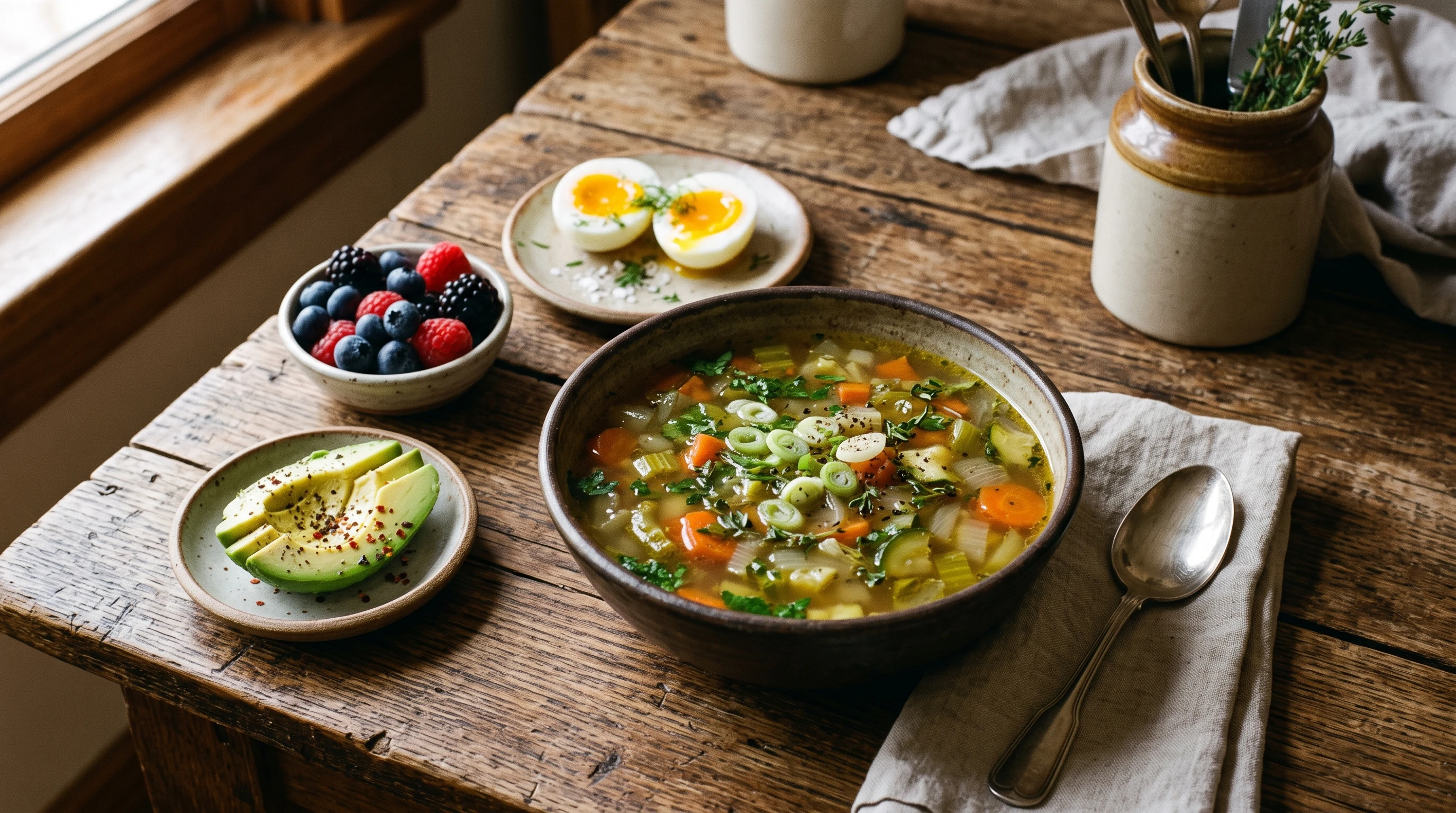
- Cooked Vegetables: Steamed or roasted veggies like carrots, zucchini, or spinach are easier to digest than raw, fibrous greens. They provide important micronutrients without overloading the gut. Sometimes a simple veggie soup is my choice when I want to take it slow.
- Eggs: Scrambled or soft boiled eggs have been my goto on many occasions. They’re gentle, high in protein, and support steady blood sugar. I notice I feel full without getting weighed down, and their simplicity is key after a fast.
- Oatmeal: A small portion of oats, cooked with water or nondairy milk, gives sustained energy and helps keep hunger at bay longer. Just skip heavy toppings and keep it simple if you’re just coming off a fast. You can add a few berries for flavor and nutrients.
- Plain Yogurt: Yogurt with live cultures is good if dairy works for you. It’s got protein, probiotics, and can be paired with some fresh berries or a drizzle of honey for more flavor. I find unsweetened yogurt is gentle and satisfying.
- Avocado: One of the best sources of healthy fats and fiber, avocado is creamy, satisfying, and gentle on the stomach. Sometimes I’ll pair it with eggs or even eat it on its own with a sprinkle of salt.
Other options I sometimes include are small portions of nuts, a spoonful of nut butter, or even a bit of potato (either baked or boiled). The key is keeping portions in check and focusing on what feels soothing to the gut. Remember to ease in slowly to avoid taxing your digestive system.
Foods to Avoid When Breaking a Fast
Some foods can leave you feeling not so great if you get into them after fasting. Through trial and error (and some not so fun tummy aches), I’ve found these are best left for later in the day, instead of right after breaking a fast:
- Greasy or Fried Foods: Fried chicken, fries, pizza, or anything oily makes your digestive system work overtime. After hours of calm, loading in lots of fat can lead to nausea and stomach pain. Even healthy oils can be too much at first.
- Processed Sugar or Sweets: A donut or pastry is tempting, but the quick sugar rush can disrupt your blood sugar and leave you tired or cranky soon after. If I go this route, I usually regret it before noon. Candy bars or sugary cereals give a similar let down.
- Heavy Meats: Steak, pork, and other dense proteins are tough to digest on an empty stomach. These can leave you sluggish and bloated for hours. Smaller, lighter proteins sit better early on.
- Beans and Cruciferous Vegetables (Raw): Raw broccoli, cauliflower, or beans can cause a lot of gas and bloating if eaten right after fasting. These are healthy, just better a little later in your eating window once your gut has warmed up.
- Spicy Foods: Hot sauces and spicy seasonings can irritate the stomach lining if it hasn’t had food in a while. I save the spice for a more established meal and keep early flavors mild.
- Soda and Carbonated Drinks: Beyond the sugar, carbonation can cause immediate bloating. Sticking with water, herbal tea, or bone broth works better here. Even diet sodas can spell trouble fresh off a fast.
Processed foods and artificial sweeteners can also be hard on the system after a break in eating. If you notice any discomfort, check what you’re consuming in that first hour postfast and experiment with gentler choices next time.
How Long Should You Wait Before Eating a Full Meal?
After fasting, going from nothing to a huge lunch usually isn’t the best plan. I like to start with something light, maybe broth, fruit, or eggs, then wait about 30 minutes before having a regular meal. This gives my body time to adjust, kickstarts my digestion, and makes bigger meals go down a lot easier. I find that when I do this, I avoid that overwhelming fullness or sluggishness that can spoil the rest of my day.
If you’re breaking a longer fast (anything over 24 to 48 hours), it’s a good idea to start even more slowly, giving yourself a few light meals over several hours before anything heavier. Listening to your body is key. Feeling good after breaking a fast is your best sign that the pace and food choices are working.
Stay mindful that every body has its own rhythm. If you get hunger signals or lightheadedness, try a little more, but still keep things gentle and simple until you’re sure you’re ready for a full meal.
Helpful Tips for a Smooth Fast Break
- Stay Hydrated: Sip water before breaking a fast, and keep drinking throughout your first few meals. It helps digestion and avoids dehydration.
- Chew Slowly: Taking your time with that first meal helps your body process food and triggers satiety signals. This makes it easier to avoid overeating.
- Pick Simple Flavors: Aim for plain, lightly seasoned foods. Too much spice or seasoning can be overwhelming right after a fast. Gentle herbs or a pinch of salt are enough.
- Listen to Your Body: Notice how you feel after breaking your fast. If something doesn’t sit right, try a different approach next time. Sometimes it takes a bit of experimenting to find your ideal balance. Keep a note of what feels best.
Common Challenges When Breaking a Fast
I’ve noticed some common hangups, especially for people trying intermittent fasting for the first time. Here’s what pops up most, and how I try to handle it:
- Ravenous Hunger: Coming off a fast can trigger a “gotta eat everything” feeling. I prep something ahead of time or have a “break the fast” meal ready in the fridge, so I don’t make rash decisions in the kitchen. This really helps in sticking to the plan instead of overdoing it.
- Bloating or Upset Stomach: If I break a fast with something too heavy or rich, the results are not great. Starting with small portions and simple meals usually prevents this. If symptoms continue, looking at your food journal may reveal common culprits.
- Energy Dips: A hit of sugar or caffeine after a fast can cause a brief high, then a slide into low energy. I notice steadier energy with balanced carbs, fats, and protein at that first meal. Focusing on this balance keeps me more alert and satisfied.
- Social Pressures: Sometimes friends or family want to celebrate a fast break with a feast. Grabbing a small plate or sticking to simple foods at the start helps keep things in check. Communication with your circle can smooth out these moments.
Listening to Your Body’s Signals
Every person’s body reacts a little differently to fasting and eating patterns. Tuning in to how you feel after different foods makes the process easier over time. For me, keeping a little food journal for a week or two helped identify the things that made me feel great (or not so great) after breaking a fast. Writing things down makes it easier to spot trends and improve your choices moving forward.
RealWorld FastBreaking Routines
On regular intermittent fasting days, my favorite basic starter is a cup of bone broth, followed by soft scrambled eggs and half an avocado. For a longer fast, watermelon or some cucumber slices with a pinch of sea salt come first, with eggs or oatmeal about 30 minutes later. When I make it simple, I never go wrong. Other times, I rotate in a few cooked veggies or a spoonful of plain yogurt, depending on my cravings and what my body seems to want that day.
- Light Fruit + Yogurt: For a sweet, easy morning, I grab berries and a few spoonfuls of plain yogurt. A sprinkle of chopped nuts or seeds adds texture.
- Gentle StirFry: Lightly sautéed veggies and a sliced boiled egg or bit of tofu go down easy after any kind of fast. Quick to prepare, gentle on the stomach, and comforting.
Mix and match these ideas and find what leaves you feeling clearheaded, energized, and satisfied. If you notice a pattern of discomfort or sluggishness, try switching up your routine and pay attention to how your body responds.
Frequently Asked Questions
What’s the safest way to break a fast?
Start with water or broth, then add easytodigest foods such as fruit, eggs, or cooked veggies. Give your digestive system a little time to adjust before starting a big meal.
Can I drink coffee right after fasting?
Plain black coffee is okay for some, but acidsensitive people may do better starting with food or a bland drink first. Coffee with a meal or after a small snack helps lessen jitters and tummy upset.
What if I feel sick after breaking a fast?
You might have eaten too much, too quickly, or chosen something too heavy. Next time, try smaller portions and lighter foods. If you continue to feel bad, talk to a healthcare professional. If problems persist, check if you have underlying digestion issues.
Are supplements good to take after fasting?
I prefer to get nutrients from food right after a fast, but simple electrolyte drinks or a basic multivitamin can make sense in some cases. Always go with what feels right for you and chat with your healthcare provider if you’re not sure. Your needs might be different, so if in doubt, check in with a pro.
Wrapping Up
Breaking your fast the right way is about treating your body kindly and easing back into eating. It’s not about strict rules, more about experimenting and learning what helps you feel your best. Some trial and error is part of the process. With these tips, you’ll probably notice better energy, smoother digestion, and an overall easier transition back to eating, no matter your fasting style. Take your time, stay in tune with how you feel, and gradually develop the habits that work best for you. Every fast is a fresh opportunity to listen to your body and set yourself up for a great day.