Intermittent fasting has become one of those health trends everyone seems to know about, but figuring out which method will actually fit your lifestyle is a little trickier than just reading a headline. Different fasting schedules work better for different people, and your routine, goals, and even your taste buds all play a part. I’m breaking down the basics, what to keep in mind, and how to find a fasting style that actually works for you, making sure it sticks in the long run.
Understanding Intermittent Fasting Methods
Intermittent fasting isn’t a one size fits all plan. There are quite a few popular methods out there, and knowing what makes each different can save you some headaches and hunger pangs. Basically, intermittent fasting means alternating between periods of eating and periods of not eating, but there are a bunch of different ways to set up those windows.
The most common ones you’ll hear about are:
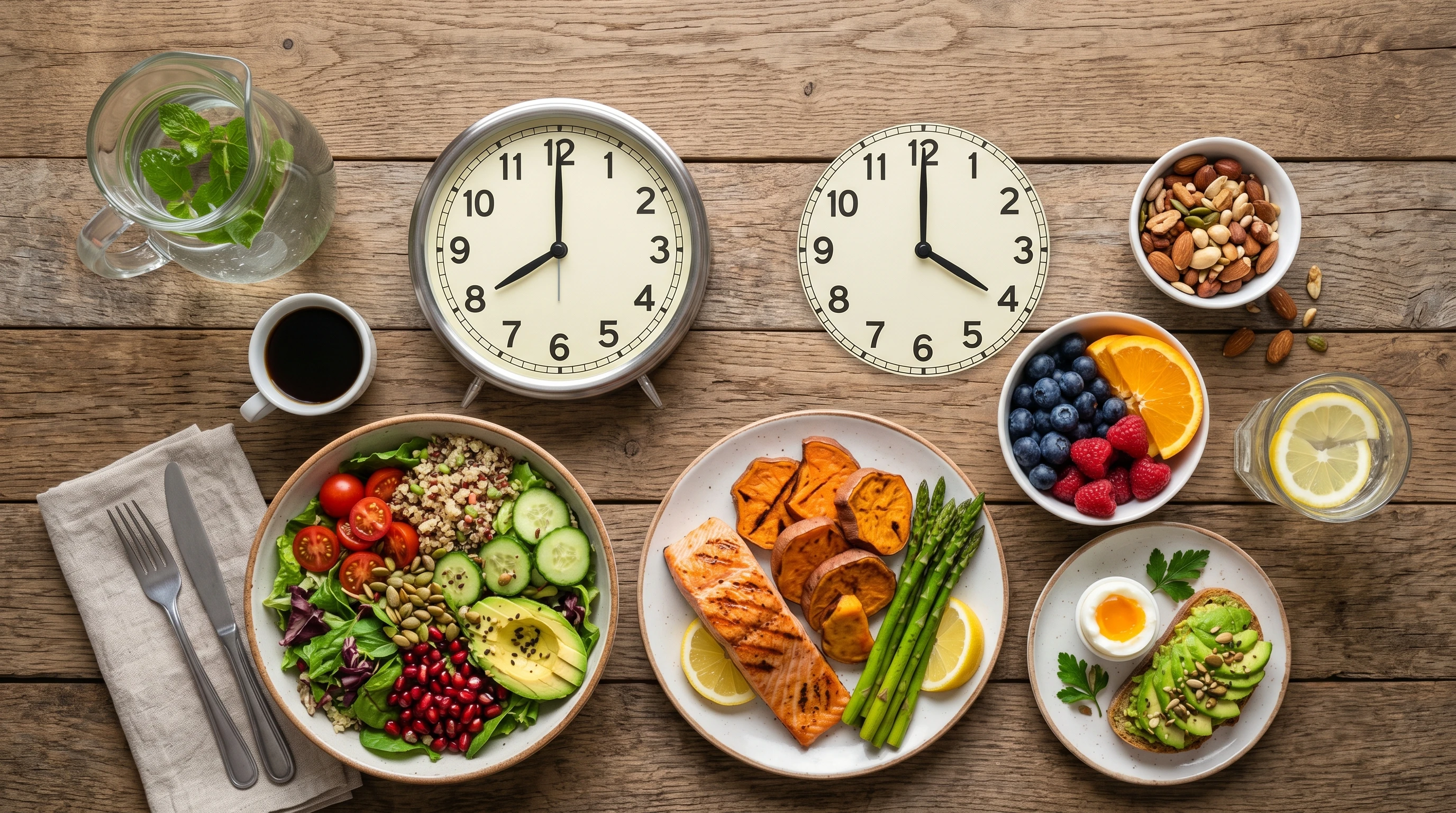
- 16:8 Method: Fast for 16 hours and eat within an 8 hour window each day.
- 5:2 Diet: Eat normally five days a week, but limit yourself to about 500–600 calories on two nonconsecutive days.
- Eat Stop Eat: Fast for a full 24 hours, once or twice a week.
- Alternate Day Fasting: Fast every other day, either completely or with a small caloric intake.
- OMAD (One Meal a Day): Eat all your daily calories in a single meal and fast the rest of the day.
Each method has its own rhythm and intensity, so picking the right one matters if you want something that’s sustainable for your current routine and personal preferences.
Getting Started: Matching Methods to Your Lifestyle
Before you pick a fasting plan, it’s a good idea to look at what your week actually looks like. Consider your work schedule, family obligations, social life, and exercise habits. Some methods take more adjusting than others, so take a few minutes to honestly assess your commitments and energy levels.
Here’s what to ask yourself first:
- Does my job require mental or physical energy all day, or do I have downtime?
- Do I typically eat breakfast, skip it, or can’t imagine missing it?
- Are my nights busy with family dinners or social events?
- Do I usually work out in the morning, afternoon, or evening?
If you already skip breakfast, the 16:8 method might fit naturally into your schedule. For those who need to have lunch or social dinners, a more flexible schedule like the 5:2 diet could work. Don’t worry too much about picking the “perfect” style on your first try. Trying out a few different approaches is totally normal; flexibility allows you to see what slots into your life best.
Quick Start Guide to Intermittent Fasting
Jumping into fasting doesn’t have to feel like ripping off a Band Aid. Making a smooth transition makes a big difference in sticking with it. Here are some practical steps I’ve found really useful:
- Pick a Plan That Feels Achievable: Start with the least restrictive method. For most people, that’s the 12:12 or 14:10 (fasting for 12 or 14 hours, with a 12 or 10 hour eating window). Once you’re comfortable, try bumping up the fasting window a bit at a time.
- Ease Into It: Gradually increase your fasting time over a week or two instead of jumping right into a longer fast. This way, your body gets used to the change more gently.
- Stay Hydrated: Drink water, herbal teas, or black coffee during fasting hours. Sometimes what feels like hunger is really just thirst; hydration helps a lot.
- Listen to How You Feel: Track your energy and mood. If you feel exhausted or irritable, adjust your method before giving up on fasting altogether.
- Schedule Around Your Life: Move your fasting and eating window if you have a big event coming up. Flexibility here keeps your social and family life on track, making fasting much more manageable.
Following these steps not only helps curb the temptation to “cheat,” but also lets you turn fasting into a longer term habit. Being consistent for a few weeks is often all it takes to make fasting a seamless part of life.
What to Consider Before Committing
Intermittent fasting isn’t for everyone, and a little self assessment goes a long way. Besides daily logistics, some parts are worth thinking about before you get started with fasting.
- Medical Conditions: If you have diabetes, low blood pressure, or any chronic health condition, check with your healthcare provider before trying out fasting. That’s especially important if you take medication with meals, since fasting changes your usual eating routine.
- Energy and Focus: Some people have a harder time focusing or feel weak during fasting. If your productivity drops, you might need to shorten your fasting window or change the method to one less demanding.
- Physical Activity: Intense exercisers could start with a method that doesn’t leave them overly hungry before a workout. Consider placing your eating window around your training time for better results and recovery.
- Nutrition Quality: Fasting isn’t a magic fix if your meals lack nutrients. Make your eating windows count by including protein, veggies, healthy fats, and whole grains. Nutrient rich food makes a major difference in how you feel and the results you see.
- Support System: It’s easier to stick with something if people around you are aware or even join in. Having friends, family, or a group supporting your efforts can really give a boost to your motivation and accountability.
Medical Conditions
Your body’s needs vary. For anyone with a medical diagnosis, working with a doctor or dietitian before making changes is a smart idea. Intermittent fasting can impact blood sugar, mood, and energy. All these are areas where medical advice is really important and can’t be skipped over.
Physical Activity
If you do a lot of cardio or strength training, placing your biggest meal right after your workout often helps with recovery. It’s better to adjust the fasting schedule to fit your training, not the other way around, so you get the energy and protein you need for muscle repair and performance.
Social Life and Family Meals
If sharing meals is a big part of your life, the strict methods like Eat Stop Eat may create friction. Choosing a method where you can participate in dinner every night makes your fasting adventure way easier to maintain, and more enjoyable, honestly.
Advanced Tips for Optimizing Your Fasting Experience
Once you feel comfortable with intermittent fasting, there are a few tricks that can take your results and your experience up a notch.
Plan Meals Ahead: Knowing in advance what you’ll eat during your eating window cuts down on last minute snacking or empty calorie choices.
Optimize Sleep: Fasting too close to bedtime may disrupt sleep for some people. Shifting your last meal earlier in the evening, then winding down with water or herbal tea, helps promote better rest and recovery overnight.
Combine With Light Activity: Adding a light walk after your main meal can give your insulin sensitivity and digestion a quick boost. Nothing too hardcore is needed, just a little movement works wonders.
Track Progress: Use an app or journal to log what you eat, your fasting windows, and how you feel. Even a quick daily note helps you spot patterns and know when it’s time to make tweaks for better results.
Popular Intermittent Fasting Methods and Who They Suit Best
- 16:8 Method: Great for folks with 9 to 5 jobs, busy family lives, or who already skip breakfast. The daily fasting window is long enough for results, but easy to maintain.
- 5:2 Diet: Super flexible for people with social schedules or anyone who doesn’t want to think about fasting every day. It’s less restrictive overall, making it sustainable for months or longer.
- Eat Stop Eat: Better for those with packed schedules and the ability to power through occasional 24 hour fasts without social meal disruptions. Requires a little more willpower, but some people thrive with this structure.
- Alternate Day Fasting: Works for driven types who like structure or those wanting a more aggressive approach, but definitely tougher to stick to for the average person.
- OMAD: Fits solo eaters or those who like one giant meal, but can be tough socially, and requires extra attention to nutrition. If you love big dinners or need simplicity, it might be a good fit with some planning.
Frequently Asked Questions
Question: Will I lose muscle while fasting?
Answer: With enough daily protein and sensible workouts, most people maintain muscle on intermittent fasting. Strength training really helps here, and keeping up with protein during meals makes a clear difference for muscle preservation.
Question: What can I drink during fasting hours?
Answer: Water, black coffee, and herbal teas are all okay (as long as you skip added sugar and milk). These options keep you hydrated and help you avoid accidental calories during fasting periods.
Question: How long should I try a fasting method before deciding if it works for me?
Answer: Giving any method two or three weeks usually lets your body adjust, and you’ll get a good sense of how it fits your life before switching things up for something different.
Final Thoughts
Intermittent fasting gives you options, not rules set in stone. Testing out what matches your own life is the way to make it work long term. Being honest about your needs and staying flexible keeps things enjoyable, and way more successful in the long run. With a little patience, tweaking, and self awareness, finding the intermittent fasting style that actually fits your lifestyle is totally doable—and could be the game changer you’re looking for in your health and energy.