
Methylene blue has been getting more attention lately, not just as a lab stain or fish tank treatment but also as a pretty interesting compound with some handy science behind it. You’ll find it on lists of old-school medications, in scientific research, and even in some alternative health circles. I’ve spent a while checking out the antimicrobial powers of methylene blue, and I’m excited to lay out what I’ve learned—including where and how it’s used, why people care about its effects, and what practical stuff you might want to know.
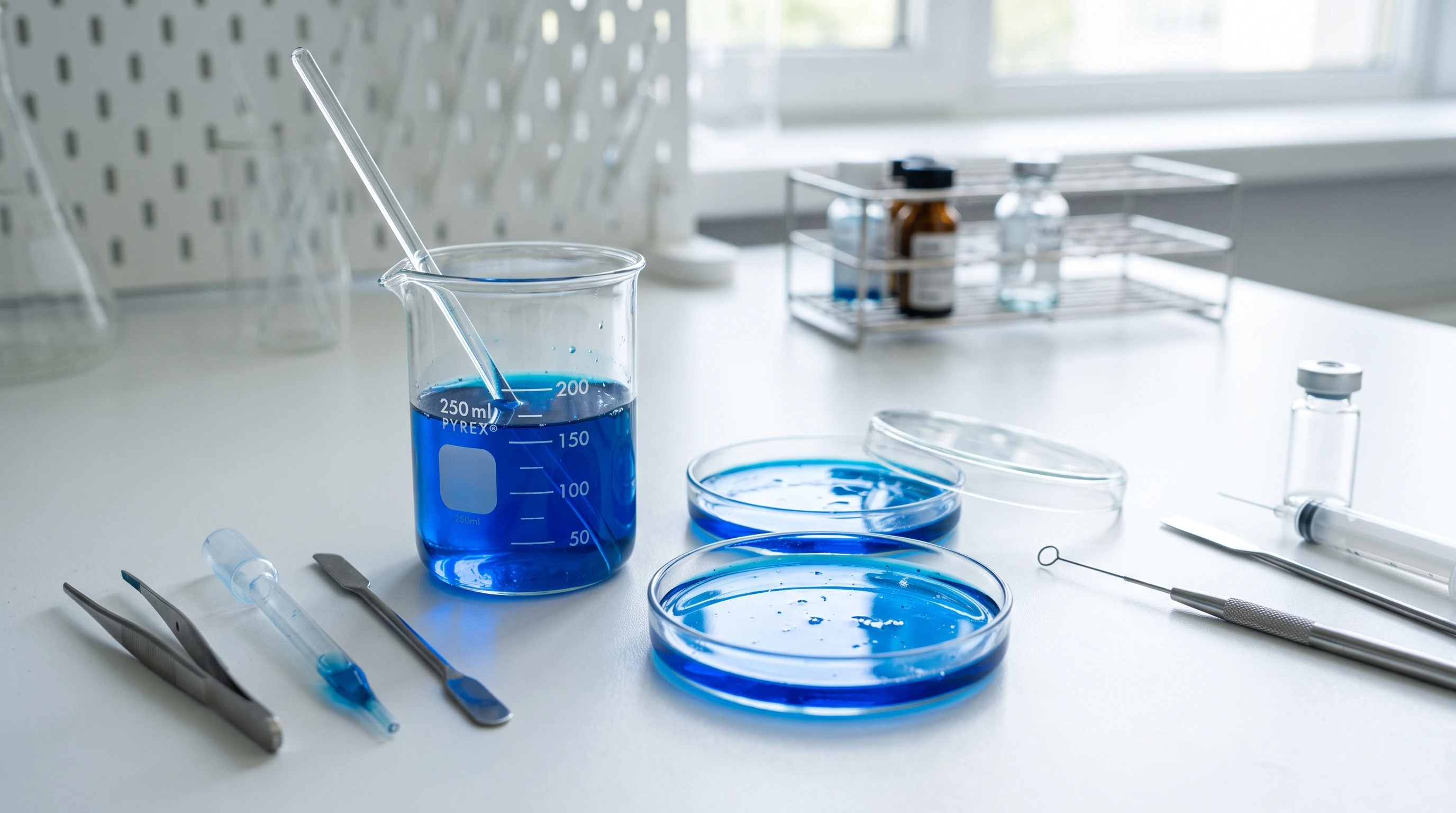
Understanding Methylene Blue and Its Roots in Medicine
Methylene blue has been around for over a century. Originally developed as a synthetic dye, it’s famous for its rich blue color. Beyond the color, though, methylene blue works in surprisingly practical ways against germs and other microorganisms. Chemists first used it as a staining agent in the late 1800s to help visualize cells under a microscope. Soon after, though, doctors and scientists realized it could do much more.
This dye found early use as a treatment for malaria before antibiotics dominated the scene. Researchers observed that methylene blue could slow down or even kill certain microbes, especially bacteria and fungi. It turns out that, under specific conditions, methylene blue creates oxygen free radicals—tiny reactive molecules that disrupt the inner workings of these germs. That’s the key to its antimicrobial activity. Because it steps up against a range of pathogens, methylene blue earned a lasting place in both medical and scientific settings.
How Methylene Blue Fights Germs: The Science
The antimicrobial punch of methylene blue mostly comes from its ability to mess with cell metabolism. When light shines onto methylene blue-treated areas—a process called photodynamic therapy—it generates reactive oxygen species that wreak havoc on cell membranes and important proteins inside microbes. This is super useful for making bacteria and fungi less likely to stick around.
Here’s a rundown of the main ways methylene blue works as an antimicrobial:
- Disrupts Cell Function: It interrupts how microbial cells process energy and nutrients, which can force the microbes to shut down.
- Photodynamic Action: When used alongside certain types of light, it goes into overdrive and creates even more reactive oxygen, wiping out more pathogens in the process.
- Broad Spectrum Activity: Lab studies show it works on Gram-positive and Gram-negative bacteria, as well as some yeasts and molds, making it pretty versatile in lab settings.
These features help make methylene blue a handy tool. Sometimes it stands alone as a remedy; other times it joins up with different antimicrobial methods to boost their effectiveness.
Medical and Practical Uses
Methylene blue pops up in plenty of real-world settings. Some of these are pretty specialized, while others might surprise you:
- Wound Care: Used as an antiseptic solution, it’s sometimes dabbed onto wounds, ulcers, and skin infections. Some clinics also use photodynamic therapy for deeper action, which is especially valuable when dealing with stubborn bacterial infections that don’t respond to standard steps.
- Bladder Infections: It occasionally shows up in blended products for urinary health. It colors urine blue, but might also lend some mild bacteria-fighting ability. Some pharmacy blends include small doses for this reason.
- Medical Device Cleaning: Labs may use methylene blue for disinfecting or detecting micro-leaks in things like catheters. If blue shows up somewhere it shouldn’t, that means there’s a leak—it’s a simple and visual check.
- Fish and Aquarium Care: Aquarists often use methylene blue to fight fungus or bacteria in tanks, especially during egg hatching or when new fish arrive. Its low toxicity for fish at safe doses is a plus.
- Laboratory Research: It’s a handy tool for staining slides and checking out cell structure, and its antimicrobial properties make it a star in various test-tube experiments.
Methylene blue isn’t always the first choice for every infection, but when traditional antibiotics can’t be used or have started failing, it sometimes steps in as an extra or backup option.
Quick Guide: Using Methylene Blue in Medical & Household Settings
Getting the best out of methylene blue safely means knowing the basics. Here’s what matters most:
- Proper Dosage: Methylene blue is potent at low concentrations. Overuse can irritate skin, stain surfaces, and if swallowed by accident, may cause stomach upset or, in rare cases, more serious effects. Always get clear directions on dosing.
- Photodynamic Boost: When paired with appropriate light sources, its germ-killing powers increase. This is why photodynamic therapy is popular in some medical wound treatments and why researchers keep working on light-activated cleaning strategies.
- Compatibility: Not every microbe reacts to methylene blue; for example, bacterial spores can be tough to handle, and a few stubborn fungi need more advanced treatments mixed in.
- Staining Effects: Nearly everything it touches could turn blue, so use gloves, cover surfaces, and don’t forget about possible staining of clothes or unsealed materials.
- Always Use Guidance: When it comes to medical uses, always follow a doctor’s advice or the instructions on commercial products. It’s not meant for unsupervised home remedies or experiments.
Following these steps makes things straightforward, safe, and effective whenever methylene blue comes out of the bottle.
Points Worth Thinking About When Considering Methylene Blue
Methylene blue’s strengths—its effective staining, energy effects, and broad germ-fighting reach—come with a few things to watch for. Here are some common hurdles and tips for dealing with them:
- Staining Challenges: Any spill leaves vivid blue marks. Quick cleanup and protective gear are super helpful.
- Allergic Reactions: Most folks use it just fine, but sometimes a skin rash or irritation pops up. Try a patch test first if you’ve never used it.
- Limited Depth: As a topical (applied on the surface) treatment, it doesn’t always reach deeper tissues or big infections in the bloodstream. That’s why it often pairs with other medications to handle bigger problems.
- Regulatory Rules: Depending on where you are and what you use it for, methylene blue might need a prescription or professional supervision, especially for medical applications.
Staining
Methylene blue stains just about anything it contacts. Even a tiny drop can give a blue tint to surfaces, clothes, or skin for hours—or sometimes even days. That comes in handy for medical detection but creates headaches when cleaning up. Wearing gloves, prepping surfaces, and applying it only where needed helps keep stains under control.
Allergic Reactions & Irritation
Most people handle methylene blue without big issues, but sensitive skin sometimes acts up. If you notice a rash or redness, rinse it off and don’t apply again. For medical uses, your care team usually checks for allergies up front.
Effectiveness Depends on the Situation
While methylene blue helps with lots of germs, it’s no magic fix. Major infections—especially those deeper than the skin—usually call for additional or different remedies. Researchers keep testing where, when, and how it works best (see this overview from PubMed Central).
Tips for Getting the Most from Methylene Blue
Some simple strategies make using methylene blue smoother for anyone who wants its antimicrobial kick:
Light Activation: Using the compound with the right light makes a big difference, especially for clinical applications. Many clinics use specific lights to target deep wounds or persistent infections for better germ control.
Surface Prep: Always clean and dry your target area first. Methylene blue clings best to dry spots and is most effective when applied right where you want it.
Team Up with Other Treatments: Sometimes methylene blue does its best work as a backup—either stepping up other treatments or becoming part of a mixture. Many wound-care pros use it with modern dressings or alongside certain antibiotics to help cut down recurring infections.
Safe Storage: Store your methylene blue in a cool, dark place, away from kids and pets. Always keep the lid tight so spills and stains don’t surprise you.
Following these tips will help you get the job done right, whether you’re taking care of an aquarium or participating in a supervised clinic procedure.
Real-World Examples of Use
Methylene blue isn’t just stuck in textbooks. In wound clinics, for example, it’s applied to ulcers that won’t heal, sometimes paired with a handheld light to take out stubborn germs. Aquarium enthusiasts rely on it when treating fungal eggs or when bringing in new fish to keep bacterial outbreaks in check.
In research labs, it’s still a classic for dyeing microscope slides. Its bright color and ability to help decrease certain microbe counts make it valuable in both teaching and cleaning jobs.
- Chronic Wounds: Outpatient clinics use it with light therapy on tough diabetic ulcers to sterilize wounds, reduce bad odors, and, in some cases, help speed healing.
- Medical Device Testing: If there’s a leak in catheters or tubes, blue coloration shows up fast—making it easy to spot flaws and handle quality control.
- Aquariums: Fish hobbyists depend on methylene blue for small outbreaks of fungus or bacteria, especially during the risky egg stage, helping to protect their aquatic friends.
Common Questions About Methylene Blue
Anyone thinking of using methylene blue for cleaning, wound care, or other jobs usually has a few questions. Here are some of the most regular ones and what you should know:
Is methylene blue safe for use on human skin?
It’s generally safe when handled as directed, using low concentrations for short periods. Always wash your skin thoroughly after use, and check in with a pro if you notice irritation.
Does it work on viruses too?
Most research and hands-on experience center on bacteria and some fungi. A few studies show possible action against certain viruses when paired with light, but it’s not considered a go-to antiviral fix for now.
Can I use methylene blue at home to treat infections?
Though there are over-the-counter products out there with methylene blue, medical treatment should be left to professionals—especially when it comes to infections. For use with pets or aquariums, make sure to double-check dosing and directions carefully.
Wrapping Up
Methylene blue stands out as a classic and still super useful antimicrobial tool in several fields—from wound care in medicine and research labs to aquariums. Its history, way of disrupting microbial life, and unique light-activated effects have kept it on the map for over a hundred years. If you’re using it, stay safe and follow directions so you can make the most of what this old-school blue solution brings to the table.