Methylene blue keeps popping up in the skincare and antiaging space, and you might be wondering if it actually works or if it’s all hype. This blue dye has jumped from the labs and hospitals straight to the bathroom cabinet, with some people calling it a new tool in the search for younger looking skin. Here’s what I’ve learned so far about methylene blue, how it works, and what you should know before thinking about adding it to your routine.
What is Methylene Blue, and Why Is It Getting Attention?
Methylene blue isn’t a new player in medicine. It’s been around since the late 1800s, used as a dye and a medical treatment for conditions like methemoglobinemia, a blood disorder. What’s changing now is how researchers and skincare brands are looking at its effects on skin cell aging, collagen, and oxidative stress.
Recently, scientists have found that methylene blue might help slow some of the visible effects of aging, especially the kind caused by damage to skin cells. This has pushed the blue dye from hospital IVs to antiaging creams, serums, and even supplements.
How Methylene Blue Works at the Cellular Level
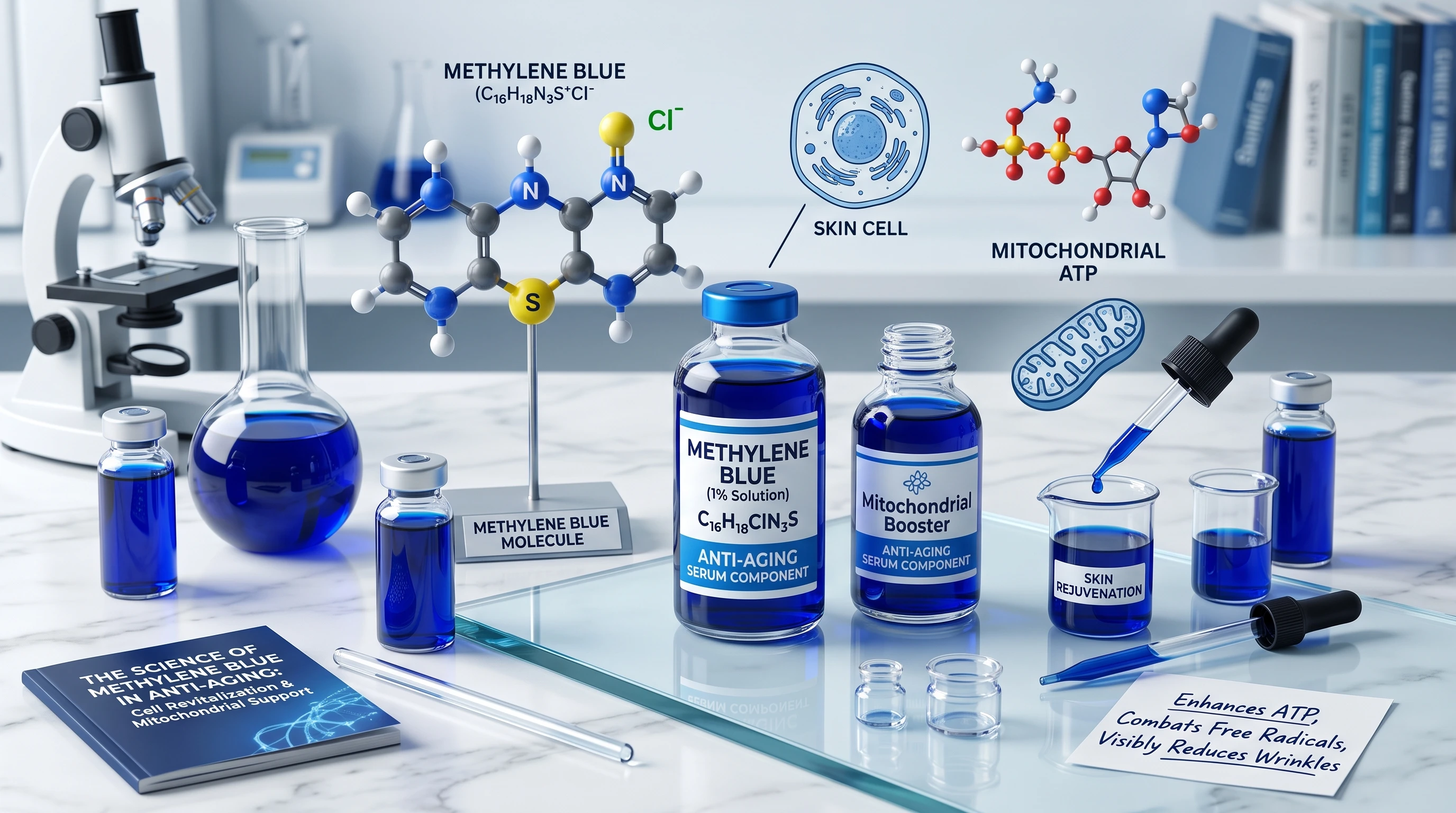
The secret to methylene blue’s buzz in skincare is its antioxidant action. In simple terms, the skin is always fighting damage from things like UV rays, pollution, and stress. This damage creates “free radicals,” tiny troublemakers that mess with your cells and speed up the aging process.
Methylene blue acts as an antioxidant, helping your skin mop up these free radicals before they cause too much harm. Some studies (like this one from Aging Cell) have shown that methylene blue can revive mitochondria in skin cells. Mitochondria are kind of like your cells’ mini power plants, and when they’re running smoothly, your skin tends to look and act younger.
- Fights Oxidative Stress: Keeps the skin’s cells from wearing out too soon by protecting against free radical damage.
- Supports Collagen Production: Some research points to methylene blue helping skin cells make more collagen, which means firmer, plumper skin.
- Mitochondria Protection: By keeping these powerhouses healthy, your skin can repair itself better and handle everyday stressors more easily.
In addition, it’s worth mentioning that antioxidants like methylene blue may support the body’s own repair mechanisms. This can translate to less fine lines, better texture, and a slight bounce to the skin over time. Many researchers are now looking closely at how methylene blue interacts with both the outer and deeper layers of the skin, hoping to extend its benefits beyond just the surface.
Getting Started: Using Methylene Blue for Skin
If you’re reading about methylene blue and wondering if you can just grab some from a lab supplier, pump the brakes right there. The stuff found in medical or scientific use is totally different and not safe for DIY skincare. Cosmetic and skincare products with methylene blue are made with lower, safer concentrations that have been tested to be non toxic for topical use.
Some popular ways it’s used in antiaging circles:
- Serums & Creams: Usually in low concentrations, often blended with familiar ingredients like vitamin C or hyaluronic acid.
- Patches or Masks: Sometimes used in single use products for a targeted punch of antioxidant power.
- Supplements: A few supplement brands are exploring low dose oral methylene blue, though this is still pretty experimental for antiaging, and talking to a doctor first is super important.
Formulations are designed for skin absorption without risking safety. If you plan to try it, stick to topical products from brands that list their ingredient sources and concentrations. Avoid gimmicky brands that don’t give any details about purity or testing. Remember, just like with other buzzworthy skincare active ingredients, your safest approach is going with reputable names.
Key Points to Know Before You Try Methylene Blue
It’s tempting to try out every new “youth in a bottle” ingredient, but with methylene blue, it pays to know the facts before jumping in. Here are a few things I think everyone should know:
- Concentration Matters: Higher amounts are not always better, and strong doses can stain the skin or cause irritation. Skin products are usually less than 0.5% methylene blue.
- Staining: The blue color can sometimes leave a tint, especially with higher concentrations (even in some cosmetic products), so patch testing is a smart move.
- Interactions: If you’re taking medications or have medical conditions, always talk to a dermatologist or doctor before using new products, especially ones like methylene blue.
- Regulation: Methylene blue isn’t as tested as established antiaging ingredients like retinol or vitamin C when it comes to topical skincare. Look for trustworthy brands and third party testing.
Possible Side Effects and What to Watch For
Side effects with topical methylene blue are pretty rare when used in the typical concentrations found in skin products. The most common issues are mild irritation (similar to what you’d get with a new retinol cream) or temporary blue staining on the skin.
If anything feels super uncomfortable or doesn’t go away after a short while, it’s smart to stop using it and check in with your skincare professional.
Safety Tips When Using Methylene Blue for Antiaging
- Do a patch test behind your ear or on your inner arm before applying to your face.
- Start with a single product and avoid mixing with other strong actives until you know how your skin responds.
- Be cautious about products bought from places with questionable reviews or no ingredient details.
- See your doctor if you’re pregnant, breastfeeding, or have concerns about possible medication interactions.
Above all, patience is key. Skincare ingredients can be slow acting, and being gentle gives your skin time to adjust.
Tips for Getting the Most from Methylene Blue Skincare
Getting results from antiaging routines depends less on splurging for the fanciest products and more on smart habits. Here are a few things that seem to help methylene blue deliver the best results based on current research and user stories:
- Apply in the evening, since overnight is when your skin is most actively repairing itself.
- Pair with gentle moisturizers to cut down on any irritation.
- Don’t skip sunscreen, even if you’re using an antioxidant; UV rays are still the biggest drivers of visible aging.
- Layer with other antioxidants, but avoid using multiple new actives at once (like retinol or acids) until you know how your skin reacts.
Consistent use, over weeks to months, seems to matter more than expecting big changes after just a few days. If you’re hoping for a quick fix, methylene blue probably isn’t it, but for people who like a science minded, steady approach, it may become a favorite addition to your lineup.
Science Snapshot: What the Research Really Says
The science is still catching up with the hype, but the early studies are promising enough to make methylene blue worth keeping an eye on. For example, a 2017 study in Scientific Reports showed that methylene blue outperformed other well known antioxidants in supporting skin cell health and reducing the visible signs of cellular aging in lab models.
Methylene blue’s main effects seem to come from:
- Limiting DNA damage from environmental stress
- Supporting collagen and elastin production in skin cells
- Improving moisture retention and barrier repair, which keeps skin looking plump
These results are mainly from lab and animal studies, though, with more real world, long term research needed on everyday people. Scientists are optimistic, but they’re making it clear that more data on topical methylene blue for antiaging in diverse groups is needed before making bold claims. If you’re curious, following the research in coming years should provide even more answers about how (and if) methylene blue skin products can help you in the long run.
Taking a Broader Look at Antiaging: Where Methylene Blue Fits In
Methylene blue is not a replacement for healthy habits or established antiaging basics. It might be a helpful addition for some, especially if you’re into trying the latest in skincare science. For most people, the biggest wins for youthful skin still come from familiar steps:
- Daily sunscreen use
- Gentle cleansing and regular moisturizing
- Using tried and true actives like retinoids, vitamin C, and niacinamide
- Staying hydrated and eating plenty of foods packed with antioxidants
If you’re looking for a creative way to target skin aging, or if you’ve already nailed the basics, giving methylene blue a try might be worth it. Start slow and keep an eye on your skin’s response, and don’t bank on blue creams as a one size fits all solution for signs of aging. Instead, use it as a supplement to proven routines.
It also helps to check with dermatologists for medical advice about ongoing use or unexpected side effects. Since everyone’s skin responds differently, tracking your progress with consistent photos can help you make sense of subtle changes over the weeks or months that follow.
Frequently Asked Questions About Methylene Blue & Antiaging
Question: Will methylene blue make my skin turn blue?
Answer: Most cosmetic formulas are created to avoid leaving color on your skin, but if you use higher concentrations or homemade products, there’s a small risk. That blue color usually washes off easily, but patch testing is smart.
Question: Is methylene blue safer than retinol or vitamin C?
Answer: It’s not a direct swap, since each ingredient works differently. Methylene blue seems quite safe at low concentrations, but research isn’t as deep or widespread as it is for some other skincare actives.
Question: How soon will I see results from methylene blue skincare?
Answer: Most people report gradual changes over several weeks. Think better hydration and maybe a tiny boost in plumpness, but don’t expect a major transformation overnight.
Wrapping Up: The Main Takeaway on Methylene Blue for Younger Looking Skin
Methylene blue brings something new to the antiaging conversation, and the lab research is encouraging for anyone who enjoys science backed skincare. With the right product and a little patience, you may notice improvements in skin texture and resilience. However, it’s no magical fix. It’s always worth checking with a dermatologist before adding anything new, especially high tech or experimental antiaging products, to your routine. Used wisely, methylene blue could become an effective part of your long term skincare plan.