
Improving shoulder mobility and stability makes everyday movement feel a lot easier. Swinging a mace, a long-handled steel tool with a round weight on one end, can really help open up tight shoulders while supporting strength in a way that dumbbells and barbells just can’t. Today, I want to walk you through how mace training can unlock better shoulder mobility and stability, and why it’s worth adding to your routine if you’re looking for lasting results.
What Is Mace Training and Why Should You Care?
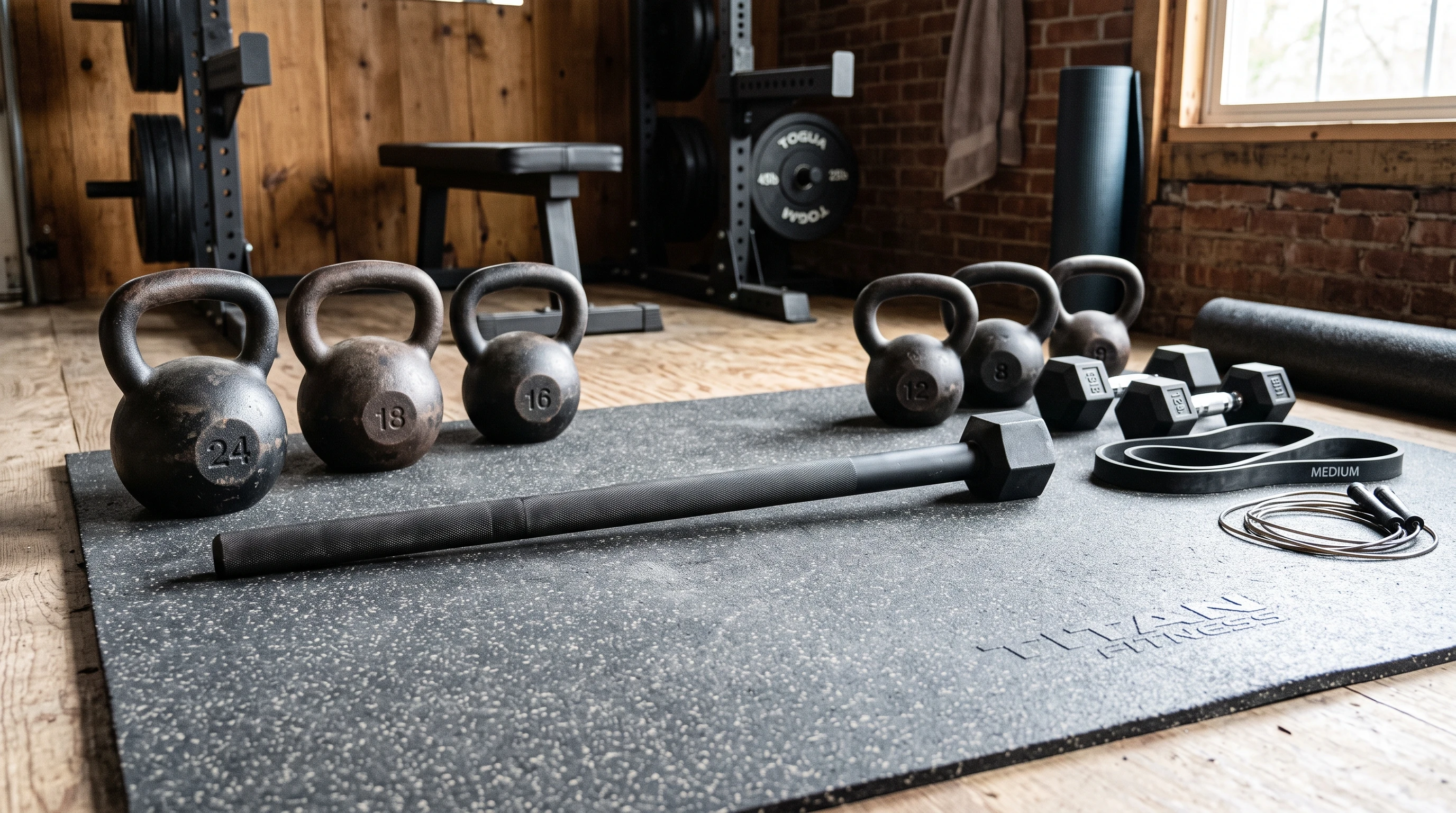
Mace training uses a tool called the steel mace, which looks a bit like a sledgehammer. The uneven weight distribution gives every movement a serious stability challenge, especially for the shoulders and core. These unique demands set it apart from traditional strength training.
The steel mace got its start as a training tool for ancient warriors in India and Persia. Modern athletes, physical therapists, and trainers have brought it back because it’s a safe and creative way to build full body strength, balance, and coordination, all while keeping your shoulders strong and mobile.
Whether your day involves sitting at a desk or lifting heavy stuff at work, spending time with the mace can help with stiffness, keep injuries down, and build muscles that are often missed by other types of training. Plus, it can introduce some new movement skills that regular gym routines might miss.
How Mace Training Improves Shoulder Mobility
The rounded head of the mace makes every swing or press feel a little unstable. I’m a big fan of how this works the smaller muscles and soft tissues around the shoulder joint. Here’s how mace training really helps with shoulder mobility:
- Rotational Strength: Mace swings and 360s make your shoulders move smoothly through a big range of motion. That rotation helps the joint become less stiff over time.
- Dynamic Stretching: When you swing the mace behind your back or overhead, your shoulders stretch under light load. It wakes up tight areas gently but with just enough challenge to improve.
- Better Scapular Movement: Most movements with the mace will let the shoulder blades move freely and naturally, instead of locking them down like some pressing moves with barbells.
I’ve noticed less tightness in my shoulders after a few weeks of regular training, and the difference is especially clear if I’ve been hunched at my computer. Having better mobility helps with activities that need a wider range of motion, such as swimming, overhead lifting, or even reaching into the back seat of your car.
Along with stretching, the mace also encourages you to control your movement at different speeds and angles. This helps teach the muscles and tissues how to work together for lasting improvement, not just temporary flexibility.
How Mace Training Boosts Shoulder Stability
Shoulder stability comes down to how well you can control movement through the shoulder joint, especially as weight shifts. Mace training is all about fighting that uneven load and constantly adjusting to subtle swings and changes as you move.
- Challenging Balance: Because most of the weight sits out at the end, every press or hold actually recruits loads of stabilizing muscles around the joint.
- Active Core Engagement: It’s really tough to cheat when you’re swinging or rotating a mace. The core and lats jump in, which takes some stress off the smaller shoulder muscles during unstable moves.
- Grip and Forearm Strength: You can’t ignore the handle; the longer the lever, the more your grip and forearms have to help out. This translates to better control in overhead and rotational positions.
This stability boost matters outside the gym too. Reaching for things on high shelves, carrying bags, or just playing catch feels safer and smoother when those stabilizers are trained. Everyday tasks like putting groceries away or helping your child swing at the playground get easier and safer thanks to improved shoulder stability from mace work.
Getting Started: Easy Mace Movements for Shoulder Health
Stepping into mace training can feel a little weird at first because the movement patterns are different, and it’s easy to go too heavy. Starting light (7–10 lbs) helps.
- Mace 360s: Swing the mace behind your head, halo style. Move slowly. This move wakes up shoulder mobility and control without much risk.
- Shoulder Press Outs: Press the mace forward from chest height, focusing on keeping shoulders down and stable. Great for practicing solid pressing mechanics.
- Mace Switch Squats: While holding the mace horizontally, squat down and rotate the mace side to side. This asks your shoulders to stabilize as you move through different planes.
- Mace Overhead March: Hold the mace overhead, either parallel or perpendicular to your body, and march in place. The tricky part is keeping the mace steady while your shoulders fire up to maintain balance.
Aim for sets of 8–12 reps or 20–40 seconds per exercise, and take it slow. When things feel smooth, add more reps or time, or try a heavier mace. As you get the hang of these basic moves, you can branch out into more dynamic flows and challenging swings that take your whole body coordination and shoulder health up a notch.
Things to Watch Out for With Mace Training
Like any new routine, there are a couple of things worth keeping in mind with mace training, especially when it comes to your shoulders:
- Weight Selection: Picking a too heavy mace is a quick way to use the wrong form. Shoulder and wrist discomfort usually means you’re swinging more than you can handle.
- Form First: Keep movements slow and controlled, especially in the beginning. Letting the mace whip around puts stress on the joint. Video yourself or work with a trainer when learning new moves.
- Avoiding Shoulder Pinch: If you ever feel a sharp pinch at the front of your shoulder, check your movement range and lighten the load. The goal is always healthy stretching and effort, not pain.
Choosing the Right Mace for Your Shoulders
You’ll find steel maces in different weights. I recommend starting with a 7 lb or 10 lb mace to build control first. Even if you’re used to heavier weights with dumbbells, the long lever makes everything feel harder. Handles should be smooth with just enough grip so you avoid slipping. Over time, if you strive for more challenge, you can move up in weight and try longer handle styles to keep things interesting and continue progressing your stability and control.
Programming Mace Movements Into Your Week
I like adding mace training at the start of my workouts, right after a warmup. It preps my shoulders for anything overhead and helps me move better through the day. Two or three sessions a week is a solid start, mixing mace movements with traditional pulling and pressing work for a smart all around program. Feel free to work mace movements into your weekly lower body days or even use them as finishers for a general athletic boost.
How Mace Training Supports Everyday Activities
Mace training creates benefits you’ll notice beyond the gym. For example, better shoulder function and stability can reduce the odds of irritating nagging aches and may prevent future injuries.
- Easier Overhead Lifting: Shoulder mobility and balance make reaching up less awkward or tiring.
- Improved Posture: The active work from stabilizer muscles supports better alignment all day long. This helps keep you sitting and standing taller, even during long hours of desk work.
- Less Shoulder Discomfort: Mobility mixed with stability can ease that constant knot feeling if you sit, type, or use a phone a lot. This means less daily tension and a more comfortable upper body.
Even activities like yoga, swimming, or boxing can start feeling smoother once you use the mace regularly as part of your mobility plan. Beyond that, you’ll likely gain a heightened awareness of how your shoulders move—making it easier to catch bad habits or stiffness and address them early.
Biggest Myths About Mace Training and Shoulders
I’ve heard a few myths that stop people from giving mace training a shot:
- “It looks too advanced for beginners.” In reality, basic mace drills work for any level. Starting light is what matters most, and most people find their groove within just a couple practice sessions.
- “It’s only for strong people.” Because the mace rewards good movement, not just raw strength, beginners often progress quickly, even if they’ve struggled with other upper body workouts. Technique and coordination go a long way here.
- “You only get mobility, not real strength.” Almost every swing and press works your grip, core, and upper back. You’re building real world usable strength with every rep, not just flexibility. It’s a great way to round out any training program, regardless of your goals.
Frequently Asked Questions
Here are a few common questions I hear about mace training and shoulder health:
Question: Can mace training help if I’ve had shoulder injuries?
Answer: With your doctor or physical therapist’s approval, lightweight mace drills can gradually improve mobility and gently wake up stabilizers, but don’t rush back into high level swings right after an injury. Focus first on slow, controlled movements and light loads until you rebuild confidence and pain free range of motion.
Question: How often should I include mace moves in my workouts?
Answer: Two or three times a week, as part of your warmup or accessory work, fits most routines and delivers steady progress. This frequency is usually enough to track down noticeable changes in both comfort and movement quality.
Question: Do I need a steel mace, or can I use something else?
Answer: Steel maces are best, but home versions (like a sledgehammer or even a sturdy broomstick with a heavy ball taped to one end) can work if you’re creative and careful. Just make sure your homemade version is secure and start light to test your setup.
Why Mace Training Wins for Shoulder Mobility and Stability
Taking care of your shoulders with regular mace training can mean less pain, more confidence in your lifts, and a new sense of freedom in everyday movement. From basic swings to advanced flows, the mace is a simple, versatile tool that brings solid results when you stick with it. Building better shoulder movement isn’t about endless stretching or pounding heavier weights; it’s a mix of gentle challenge, creativity, and consistency that you’ll get from the mace. Give it a try and let your shoulders thank you after just a few sessions!