
Mace training, sometimes called steel mace training, is gaining traction as a way to take both your strength and mobility up a notch. Unlike traditional weights or machines, the mace offers a variety of movements and challenges your body from angles you don’t usually encounter with a barbell or dumbbell. Training with a mace isn’t just for hardcore athletes; beginners and weekend warriors can get solid benefits too. In this guide, I’m going to break down why swinging a mace gets results and how it can help with real-world strength, balance, and flexibility.
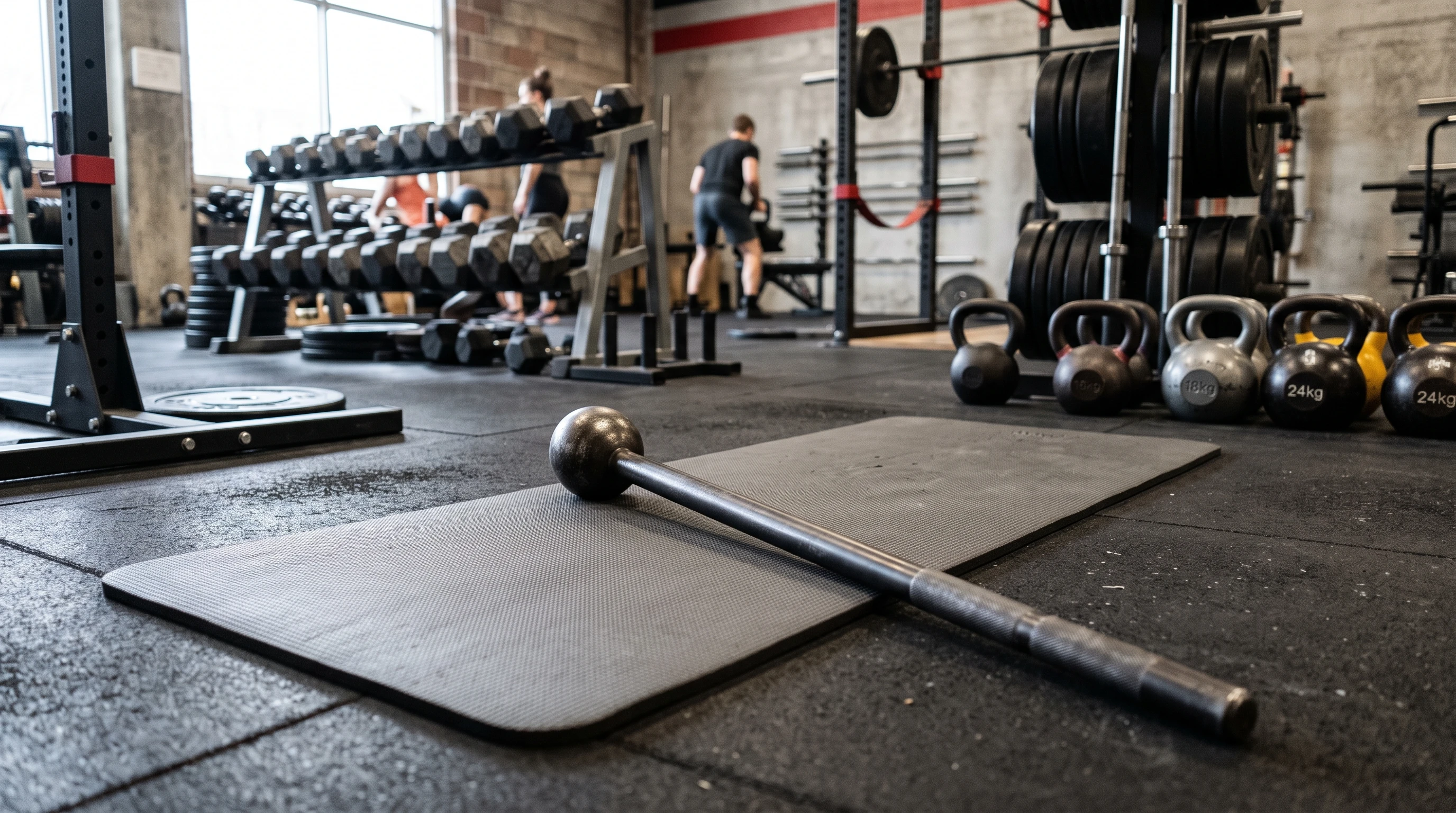
Why Mace Training Builds Functional Strength
Building functional strength means getting stronger in ways that carry over to everyday activities or sports. The mace’s offcenter weight forces you to recruit stabilizer muscles and big power movers at the same time. Every swing, press, or squat with the mace requires strength that helps with activities like carrying groceries, playing sports, or trekking up a rocky trail.
Mace training creates fullbody engagement. While it’s easy to feel the burn in your shoulders and arms, the core, hips, and lower body are actually working overtime. This happens because the uneven weight distribution of the mace means you have to brace and constantly adjust, much like when you’re carrying something awkward in daily life.
The design comes from centuries ago, especially in India, where the traditional gada was a staple for wrestlers. Today’s steel maces bring the same concept and make it accessible for modern fitness routines.
Getting Started With Mace Training: Basics and Safety
If you’re new to maces, figuring out what size and style to use can be a bit confusing. Most coaches suggest starting light—typically about 7 to 10 pounds for adults—since the weight further from the handle magnifies the leverage effect. Trust me; you’ll definitely feel it.
- Mace Grip: Hands can be stacked (close together) or spread apart (offset). Beginners often use a wider grip for added control.
- Posture: Stand with feet shoulderwidth apart, brace your core, and keep your chest up during the movements.
- Safety: Start with basic swings and flow drills at a slow pace. Practice control before adding any weight or speeding things up.
Include a short warmup in every session, focusing on wrists, shoulders, and some rotational movements. Priming your joints gets you ready for smooth swings and helps avoid any unexpected tweaks.
Top Mace Movements That Boost Strength and Mobility
Nearly every mace exercise is a combo move that taps into strength, stability, and flexibility all at once. Here are a few basics I always return to:
- 360 Swings: A classic circular swing behind the head and in front of the body. This eye-catching movement hits the shoulders, traps, and your whole torso. It calls for smooth control, not just brute force.
- Switch Squats: Holding the mace vertically with both hands, alternate sides at the top of each squat. You work the lower body while challenging your control and posture.
- Presses & Lunges: Overhead presses and lunge variations using a mace pump up instability. Your body responds by firing up the core and smaller stabilizers for better balance.
- Kayak and Pendulum Movements: Mimic paddling a kayak or swinging a pendulum to move through different planes of motion and fire up multiple muscle groups.
All these moves build coordination and target muscles you may not have activated with traditional routines.
How Mace Training Improves Mobility
Mace training isn’t just about getting stronger; it’s also really useful for mobility and joint health. The flowing, circular movements take your shoulders and hips through large ranges of motion. This can help reduce stiffness, improve posture, and even lower your risk of injury.
Take the 360 swing, for example—it runs your shoulders through extension, flexion, and rotation, a combo that most pressing or pulling exercises miss. After regular mace sessions, my upper back and shoulders always feel less tight, especially after long hours at my desk or following heavy lifting days.
- Rotational Strength: The mace is awesome for building rotational power. Twisting and turning under load mimics the demands of most sports and actual daily tasks.
- Joint Stability: Each swing challenges grip strength and small stabilizer muscles, helping to shore up weak spots around the wrists, elbows, and shoulders.
- Flexibility Gains: Flow routines using the mace—where you move smoothly from one movement to another—build flexibility without needing to give up strength.
Mace vs. Traditional Weights: What Sets It Apart?
Mace training brings a big switch up from using standard barbells or dumbbells. Rather than having equally balanced weight on both ends, you get a long handle with a load at one end. Here’s what that actually means:
- Unequal Loading: This setup strengthens your grip and wrist because you’re always fighting the leverage.
- Multiplanar Movement: Mace exercises usually involve moving the weight in arcs or circles—a great way to train body control in three dimensions. Free weights are mostly up and down.
- Core Emphasis: The moving weight makes your core muscles work harder to keep everything steady.
I still use plenty of free weights, but adding mace training introduces new challenges that transfer well to sports, martial arts, and simply handling the twists of daily life.
What To Know Before Investing In a Mace
Much like any fresh fitness tool, not all maces or steel clubs are created equal. Here are a few things to keep in mind when picking one out:
- Choose the Right Weight: Beginners get the most out of a 7 or 10-pound mace. Heavier options (15–20+ lbs) are great as you build up for bigger swings or advanced routines.
- Quality Construction: Go for a steel mace with a solid, welded head. No rattling or wobbling allowed.
- Grip Texture: Some maces have knurled handles for extra grip, which is a big help if your hands get sweaty.
- Space to Train: Mace swings need more room than you’d guess. Check you have sufficient ceiling and side-to-side space so nothing else gets in the way.
A little research helps you make informed choices and avoid spending cash on subpar gear. Plenty of online groups or local trainers with mace experience are willing to give advice or lessons, especially helpful if you’re totally new to it.
Beyond Strength: Mental Benefits of Mace Training
The physical results are impressive, but I’ve noticed a big mental boost from mace workouts. The flowing, rhythmic nature of many routines is almost meditative and encourages focus on breath, posture, and timing. It helps you zone in and slow down distractions during each session.
This mindbody connection pays off in sports and daily life. Many mace users share that they feel less stressed, more confident, and more in tune with their bodies—a helpful upgrade whether you’re playing with kids, enjoying a weekend outing, or just moving more comfortably through your day.
RealWorld Applications: Sports, Rehab, and Everyday Life
Mace training isn’t just gym talk. It’s being set free in sports training, physical therapy, and at-home workouts. Fighters and grapplers use it for torque and power needed in throws or holds. Physical therapists suggest lighter maces for shoulder, core, and grip rehab work.
- Athletes: Improves rotational force, explosive strength, and mobility better than most machines out there.
- Everyday Movers: Gets you ready for odd lifting and real-world tasks, like hefting a suitcase or shuffling furniture at home.
- Rehab and Prehab: Helps strengthen those smaller stabilizer muscles that typical strength routines might miss.
From what I’ve seen, mace training can tone down aches, step up balance, and speed up recovery from stubborn shoulder tightness. The idea is to get your body prepped for anything that may come up.
Frequently Asked Questions
Question: How often should I train with a mace?
Answer: Kicking things off with 2–3 sessions per week works for most folks. Use it as a warmup, a circuit finisher, or even a full workout. Just listen to your shoulders and grip as you add more volume and challenge.
Question: Do I need special shoes or gear?
Answer: Not at all. Stable shoes and comfy clothes get the job done. Just make sure you have enough open space for swings and flowing movements—no need to snag any fancy equipment.
Question: Can I swap other strength training for mace workouts?
Answer: Mace work is a fantastic supplement. It mixes in variety, boosts flexibility, and covers some bases that regular weights may miss. For maximum gains, blend it with squats, deadlifts, or other bigcompound lifts.
Final Thoughts
Mace training brings together oldschool tools and modern movement science for training that gets your body set for anything. You’ll build strength, work through better ranges of motion, and sharpen your body awareness. Start light, keep your form solid, and allow your progress to unfold—you’ll stumble upon plenty of cool benefits the mace offers. Check out mace training if you want to move and feel better in sports, gym, or daily life.