
If you’re looking for a workout that’s both fun and challenging, mace training checks a lot of boxes. Mace training, or using a “steel mace” (sometimes called a “macebell”), is firing up a lot of interest in gyms and home routines for good reasons. I’ve given it a go and have seen just how much it can spice up your regular training. It’s not just about building muscle. There’s a full range of health benefits that you’ll start to notice once you make it a regular part of your week. Here are the top 10 health benefits of mace training you should know about, plus some tips on getting started, common challenges, and extra advice to help you get the most out of every session.
Why Mace Training Deserves a Spot in Your Routine
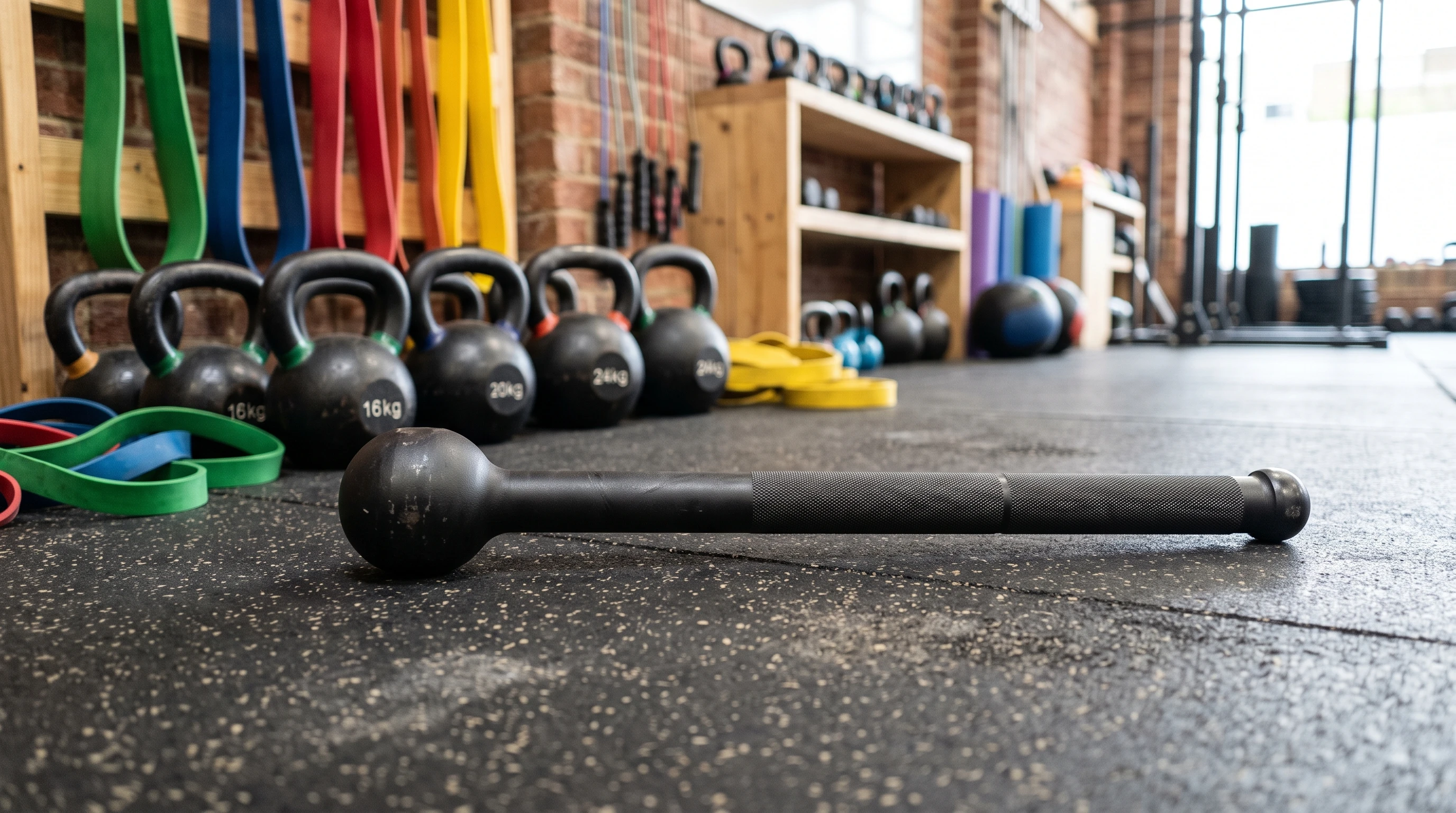
Mace training is a unique form of resistance exercise where you swing or press a steel mace through different movement patterns. It’s been around for centuries. Originally used by warriors in India and Persia to build strength, coordination, and endurance, this training style builds more than just muscle. Now it’s making a comeback in gyms and fitness studios around the world, especially among fans of functional fitness. The benefits go way beyond the obvious muscle building aspect. The imbalanced design of the mace (most of the weight is on one end) demands your body to work extra hard on stability, balance, and control with every single move. That’s where the magic happens for your health.
Mace training is suitable for pretty much any fitness level, and you can use it for everything from cardio circuits to slow, strength focused sessions. The growing interest in this tool shows just how effective and engaging these workouts can be.
Top 10 Health Benefits of Mace Training
Here’s a breakdown of what you can actually get from making mace training part of your workouts:
- Improved Core Strength: Every swing, press, or lunge with the mace forces your core to stabilize. You’re not just working your abs; you’re targeting your lower back and entire trunk in a way most machines just don’t.
- Better Shoulder Mobility: The smooth, circular patterns you make with the mace loosen up tight shoulders. It’s a steady way to get your shoulders moving better and reduce the risk of tweaks or injuries, especially if you’re hunched at a desk all day.
- Functional Full Body Strength: Mace training turns on the muscles in your arms, grip, back, and legs all at once. Because the weight is off center, you build the kind of stability and power that actually translates to real life movements, like carrying groceries, playing sports, and everything in between.
- Cardiovascular Health: Fast paced sets or high rep circuits boost your heart rate quickly. It’s a sneaky way to get in your cardio while still building strength.
- Better Grip Strength: That thick handle and shifting weight challenge your hands, wrists, and forearms in every move. Stronger grip isn’t just for lifting weights. It helps with everything from opening jars to better performance on pull up bars.
- Improved Balance and Coordination: The demands of mace training help you tune your sense of balance and teach your brain to connect with your muscles in a smarter way. You react, adjust, and get better at catching yourself if you trip or stumble.
- Joint Health: Rotational movements with light to moderate weight help keep your joints moving smoothly. This can be especially good for people who want to keep shoulders and hips from stiffening up down the line.
- Calorie Burning: Because mace training uses so many muscles at once, you burn plenty of calories in a shorter workout. It’s a solid choice if you want to break a sweat and shed some extra weight.
- Stress Relief: The focus and rhythm of swinging a mace can be pretty calming. It’s a mindful practice, not just a grind, and moving your body in different ways can help clear your head after a tough day.
- Versatility: You can dial mace training up or down to meet your needs. There are tons of moves and flows, so you can focus on power, cardio, flexibility, or plain old fun, whatever keeps you coming back to your workouts.
Besides the top 10, there are even more subtle benefits. Many people say it helps with coordination for sports that require swinging or rotational movement, such as tennis, golf, or martial arts. A lot of physical therapists even use the mace as a rehab tool, because the rotational movements help strengthen stabilizer muscles and can ease up nagging shoulder or elbow pain.
Getting Started with Mace Training
Jumping into mace training can be simple if you stick with the basics at first. Here’s what worked for me when I first picked up a steel mace:
- Pick a Light Mace: Most people do well starting with a 5 or 7 pound mace, even if you lift heavy in the gym. The longer handle and uneven weight make things feel harder fast.
- Master the Grip: Take some time to figure out hand positioning. Where you hold the mace on the handle affects the challenge and how stable you feel during each move.
- Start with Simple Patterns: Moves like the “360” or “10 to 2” are classic. Learn them slowly, focusing on control and range of motion before adding more weight or speed. Plenty of online tutorials break these down in detail.
- Focus on Form: Unlike a kettlebell or dumbbell, swinging a mace isn’t about brute force. Keep your movements smooth and under control, especially on the return or negative phase of each rep.
- Warm Up Properly: Shoulder circles and gentle stretches prep your joints and muscles. Take a few minutes to get moving before grabbing the mace.
Getting comfortable with a lighter mace and slow controlled movements reduces the risk of injury. Trying out a couple of online classes or following along with instructional videos can help cement good techniques right from the start. If you can, ask a coach or trainer for feedback on your form during the first few sessions.
Common Challenges (And Easy Solutions)
Mace training is very approachable, but a few challenges come up when you’re just getting started. Here are some issues I bumped into, with some workarounds that should help:
- Wrist Discomfort: This can happen if your grip is too tight or your technique is off. Relax your hands a bit and practice each move with an empty hand before adding weight.
- Shoulder Fatigue: Don’t jump into high rep sets right away. Ease in with shorter sessions and build up your shoulder endurance gradually.
- Awkward Balance: The off center weight takes time to get used to. Watch your feet and core, and stick to basic moves until you feel balanced with the mace in motion.
- Finding Space: Swings need some room. If you’re training at home, clear out enough floor space so you don’t whack the furniture or the ceiling.
How to Troubleshoot These Issues
If a move feels odd or tough to control, try using a lighter mace or practicing the movement pattern without any weight first. Watching yourself in a mirror or filming your sets is a handy way to spot and fix form issues. Taking short videos helped me see what was working (and what wasn’t) in my own sessions.
Many beginners also benefit from using chalk or grip tape if their hands get sweaty during a workout. And don’t be afraid to pause between sets to reset your stance and breathing, especially during longer flow sequences.
Advanced Tips for Getting Even More Benefits
After a few months of regular practice, I found these tweaks made mace training even better:
Try Flow Sequences: Combine several moves into a smooth, continuous flow. This challenges coordination, keeps things fresh, and builds more endurance. Search for “mace flow” routines for ideas.
Focus on Mind Muscle Connection: Slowing things down and paying attention to how each muscle is working helps you get stronger, quicker. It’s about moving with intention, not just swinging for reps.
Alternate Hands Often: Switch which hand is closest to the weighted end. This keeps both sides of your body working evenly and prevents annoying imbalances or overuse issues.
Add Lower Body Movements: Include squats, lunges, or footwork. This ramps up the calorie burn and brings your legs and glutes into play along with your upper body.
If you’re up for a challenge, try single arm swings to target stability and core rotation. Mixing in light footwork, like stepping in different directions or changing your stance, can set your coordination skills free and keep bored feelings at bay.
Real World Uses and What to Expect Over Time
Mace training isn’t just for gym junkies or athletes. It’s a practical way to boost strength, flexibility, and control for anyone. I’ve seen folks of all ages use the mace for everything from joint rehab to tuning up for sports like golf or tennis. The key is to start light, go slow, and make it part of your weekly routine, even just twice a week. Over a few months, most people notice stronger grip, better posture, and a lot less nagging joint or back pain. The payoff is worth the learning curve.
- Athletic Training: Mace patterns help with speed and coordination for sports like baseball, martial arts, and even rock climbing.
- Active Aging: The gentle, controlled movements of mace work are popular in some senior fitness circles for helping to guard against falls and keep joints happy.
- Everyday Life: Movements like lifting, pulling, or twisting in daily life start to feel smoother and safer with more core and shoulder strength from the mace.
Mace workouts can also improve posture and help relieve everyday aches, especially for people who spend lots of time at a computer. Being able to move and rotate more easily spills over into better quality sleep and more comfortable walking or running. If you stick with it, it’s not unusual to see and feel improvements in grip strength, posture, and general coordination through months of steady practice.
Frequently Asked Questions
Is mace training safe for beginners?
If you start light, pay attention to your form, and don’t rush into complicated moves, mace training is super approachable for most people. If you have a history of shoulder injuries, it’s a good idea to check with a trainer or physical therapist first.
How often should I train with a mace?
Many people work in mace training two to three times per week, each session lasting anywhere from 10 to 40 minutes, depending on intensity and goals. You can fit it in alongside standard weightlifting or cardio routines.
Can I combine mace workouts with other forms of training?
Absolutely. Mace exercises complement things like kettlebells, dumbbells, or even yoga. It’s a great way to mix things up if you’re bored with your old routine.
Getting the Most Out of Mace Training
Mace training offers a blend of strength, mobility, and coordination that’s tough to find elsewhere. It challenges your body in new ways, helps you feel stronger and more agile, and can be a real mood booster. Choosing the right starting weight, keeping a focus on form, and building up gradually are the things that keep progress steady and safe.
Give mace training a shot, keep it fun, and let your workouts break out of the usual mold. The unique mix of benefits is worth checking out, and you may be surprised at just how quickly you start to feel stronger both in and out of the gym.